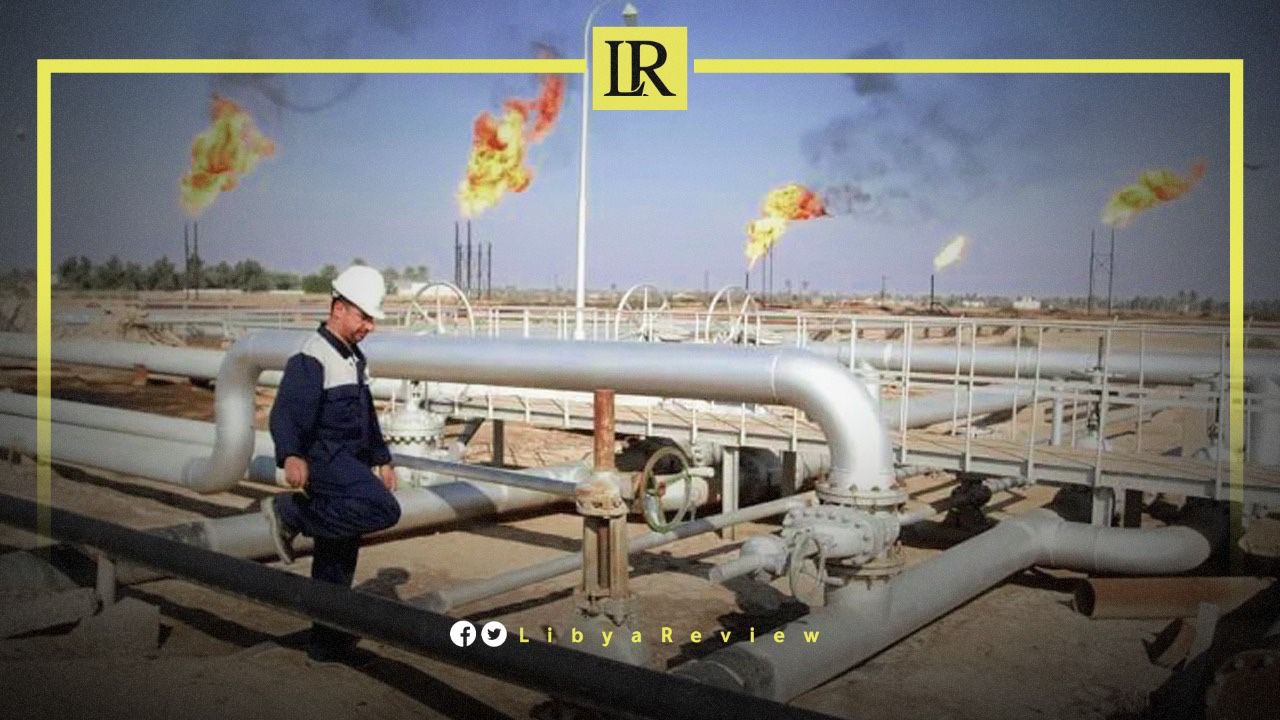
A leaked UN report highlights a rise in illegal activities related to Libya's oil sector, emphasizing the need for stringent international measures to monitor oil revenues. This comes amid ongoing institutional divisions and weak oversight of the country's sovereign resources.
Oil is the primary source of income in Libya, with the national economy heavily reliant on its revenues. However, any mismanagement or exploitation of these revenues outside official frameworks poses a direct threat to the national economy and the political trajectory of the country.
Details of the Situation
International warnings regarding illegal activities related to Libyan oil smuggling have increased, with UN reports noting a significant rise in smuggling operations, reflecting the ongoing chaos in the oil sector. This is attributed to the political division that Libya is suffering from, which has led to weakened regulatory institutions unable to control natural resources.
Illegal activities include smuggling oil to neighboring countries, where it is sold at low prices, negatively impacting the Libyan economy and resulting in substantial revenue losses. The report indicates that these activities require a coordinated international response to ensure the protection of Libyan sovereign resources.
Background & Context
Historically, the Libyan oil sector has experienced significant fluctuations due to political crises and armed conflicts. Since the overthrow of Muammar Gaddafi's regime in 2011, the country has suffered from sharp political divisions, affecting the government's ability to manage its resources effectively. This has led to the emergence of armed groups controlling oil fields and engaging in smuggling, complicating the situation further.
Libya is one of the resource-rich countries, possessing vast reserves that make it one of the largest oil producers in Africa. However, corruption and mismanagement have severely hampered the country's ability to benefit from this wealth.
Impact & Consequences
The repercussions of Libyan oil smuggling extend beyond the national economy, affecting political and social stability in the country. As chaos increases, security risks rise, which may exacerbate internal conflicts and increase tensions among various groups.
Moreover, the deterioration of the economic situation due to the loss of oil revenues could worsen humanitarian crises, as citizens suffer from shortages in essential services such as education and healthcare. Therefore, addressing this issue requires integrated international efforts to ensure Libya's stability.
Regional Significance
Libya is a pivotal point in North Africa, and any deterioration in its security or economic situation could impact neighboring countries. The challenges facing Libya may contribute to increased illegal migration towards Europe, placing additional pressure on European countries and complicating their efforts to manage migration issues.
Furthermore, Libya's stability is vital for regional security, as it could enhance cooperation among countries in the region in areas of security and economy. Thus, the international community is urged to act urgently to put an end to illegal activities and ensure Libya's stability.
In conclusion, the situation in Libya requires a comprehensive response from the international community, as addressing issues of oil smuggling and corruption necessitates coordinated efforts to ensure the country's stability and achieve sustainable development.