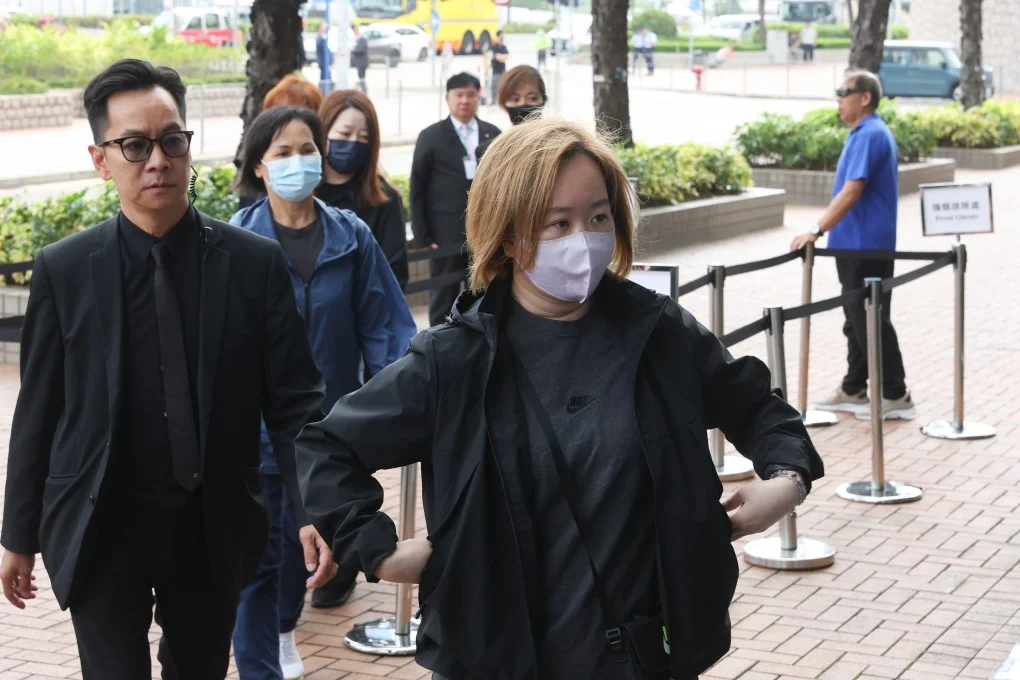
In a tragic incident considered one of the deadliest in Hong Kong's history, an independent hearing has revealed that a worker in the property management of the residential complex where the fire occurred was unaware of the cancellation of fire alarms. The fire, which broke out on November 26, resulted in the deaths of 168 people, raising questions about how such a disaster could happen.
During the sixth day of hearings, it was reported that the fire alarm system was disabled after the water hose system was shut down for maintenance. This raises questions about the effectiveness of safety management in the residential complex, especially given that there was a fire alarm system that was supposed to protect lives.
Details of the Incident
The fire that occurred in Tai Po is considered one of the worst disasters Hong Kong has seen in recent decades. The fire broke out late at night, making it difficult for residents to escape. Preliminary investigations have shown that there was negligence in safety procedures, as the fire alarm system was turned off without informing workers or residents.
Many questions have been raised about why the fire alarm system was turned off, especially since it was supposed to be operational to protect residents. It was also noted that the maintenance conducted on the water tanks on the rooftops of the buildings was necessary, but the timing of this maintenance was inappropriate given the potential danger.
Background & Context
Historically, Hong Kong has witnessed many tragic fires, but the Tai Po fire is considered a turning point in how public safety is managed in residential buildings. In recent years, safety laws have been strengthened, but the recent incident shows that there is an urgent need to review current procedures.
Hong Kong is a densely populated area, making it essential for safety systems in residential buildings to be of the highest standard. Previous incidents have led to changes in laws, but there appear to be gaps in implementation.
Impact & Consequences
The repercussions of this fire will be far-reaching, as it is expected to lead to a comprehensive review of safety procedures in residential buildings. This incident may also affect residents' trust in public safety management, leading to calls for greater transparency and accountability.
This incident is likely to result in changes to safety-related laws, as authorities will work to improve current systems and prevent the recurrence of such disasters in the future. There are also increasing calls for better training for property management workers on how to handle emergencies.
Regional Significance
Although the incident occurred in Hong Kong, the lessons learned can be applied in Arab countries. Many Arab cities face similar problems in safety management in buildings, necessitating immediate action to improve current systems.
Public safety is a vital issue that should be at the forefront of Arab governments' concerns, especially given the high population density in some cities. Tragic incidents like the Tai Po fire highlight the importance of enhancing safety measures and providing appropriate training for workers in this field.