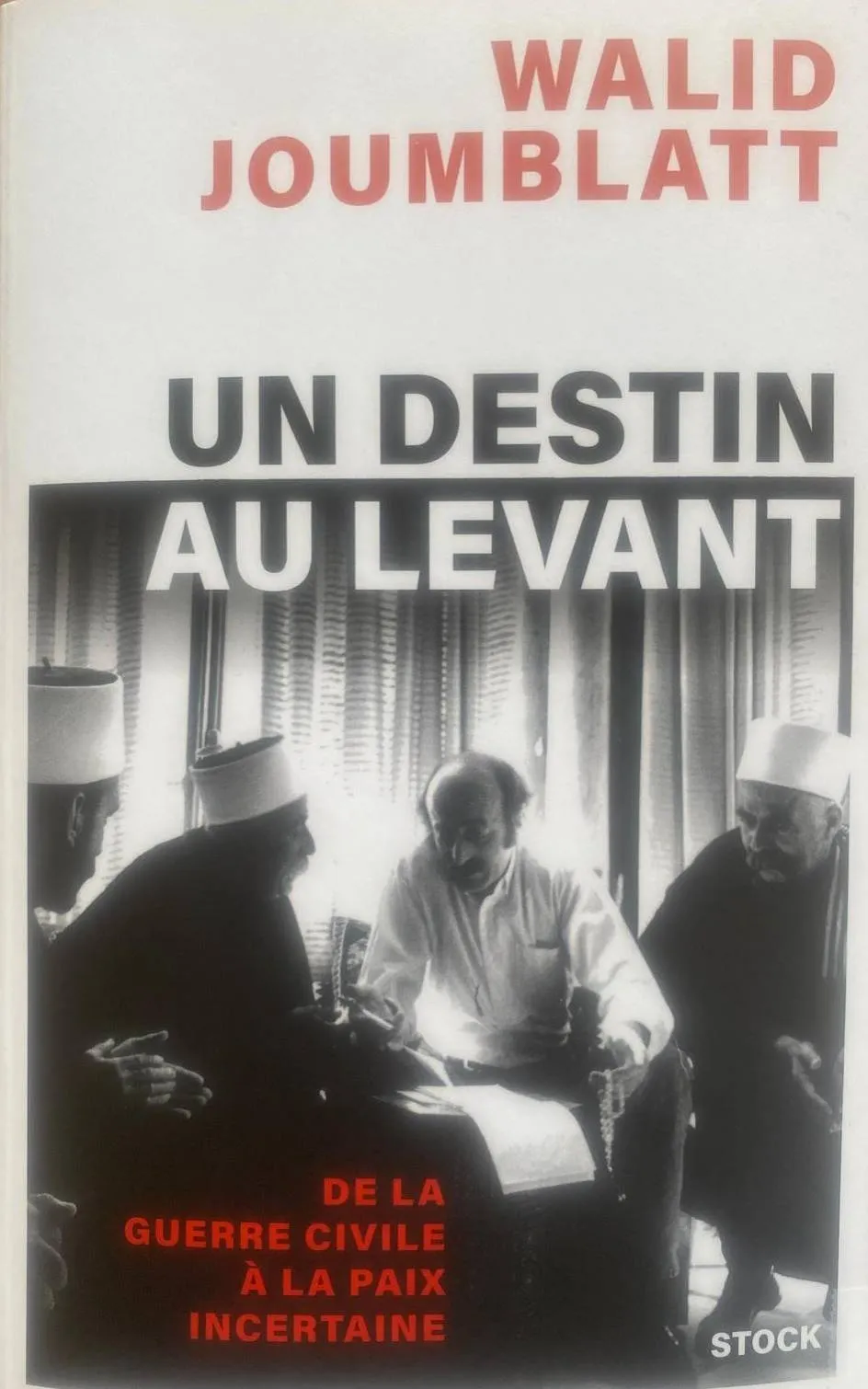
Walid Jumblatt's book 'A Measure of the East' delves into modern Lebanese history, providing profound insights into the political and social conflicts that have shaped the nation. This 340-page work highlights the painful events experienced by Jumblatt and his family, serving as a window into contemporary Lebanon's history.
The book does not merely recount Jumblatt's life story; it also addresses the major events that Lebanon has witnessed from the civil war to the unstable peace that followed. Jumblatt discusses the assassination of his father, Kamal Jumblatt, by the Syrian regime in 1977, and how this event influenced his political career.
Kamal Jumblatt and Hafez al-Assad's Relationship
The book explores the relationship between Kamal Jumblatt and Hafez al-Assad, describing how their disagreements stemmed from Syrian interventions in Lebanese affairs. Jumblatt emphasizes that his father was a leftist leader who formed alliances with progressive forces and Palestinians to counter the right-wing Christian parties.
Additionally, the book details the assassination of Kamal Jumblatt, indicating that Syrian intelligence was behind this act, executed in a Christian village to distort the facts. Jumblatt asserts that these events had severe repercussions on Lebanese society, leading to waves of violence and displacement.
Background & Context
Lebanon's history is rife with conflicts, having experienced civil and regional wars for decades. Jumblatt's book serves as a documentation of this era, providing an analysis of events and their impact on Lebanese society. It also highlights the role of political families like the Jumblatts and the Assads in shaping Lebanon's political landscape.
In his book, Jumblatt also reviews how political conflicts have led to the fragmentation of Lebanese society, with sectarian and ethnic divisions becoming more pronounced. The book reflects how Lebanon has yet to overcome its painful past and expresses Jumblatt's concern for the future.
Impact & Consequences
'A Measure of the East' can be seen as a call to reflect on Lebanon's history, highlighting the challenges the country faces amidst ongoing divisions. Jumblatt stresses the importance of dialogue and understanding among various political factions to avoid repeating past mistakes.
The book also serves as a warning against the dangers of ignoring history, as Jumblatt notes that Lebanon needs to address its old wounds to build a better future. It illustrates how historical events continue to influence Lebanese politics even today.
Regional Significance
Lebanon's experience serves as a model for other Arab countries facing internal conflicts. Jumblatt's book offers valuable lessons on how to deal with political and social divisions. It reflects how history can be a tool for learning and progress if approached with awareness.
Ultimately, 'A Measure of the East' remains a mirror reflecting the depth of Lebanese divisions, emphasizing the urgent need to seek peaceful and sustainable solutions to conflicts.