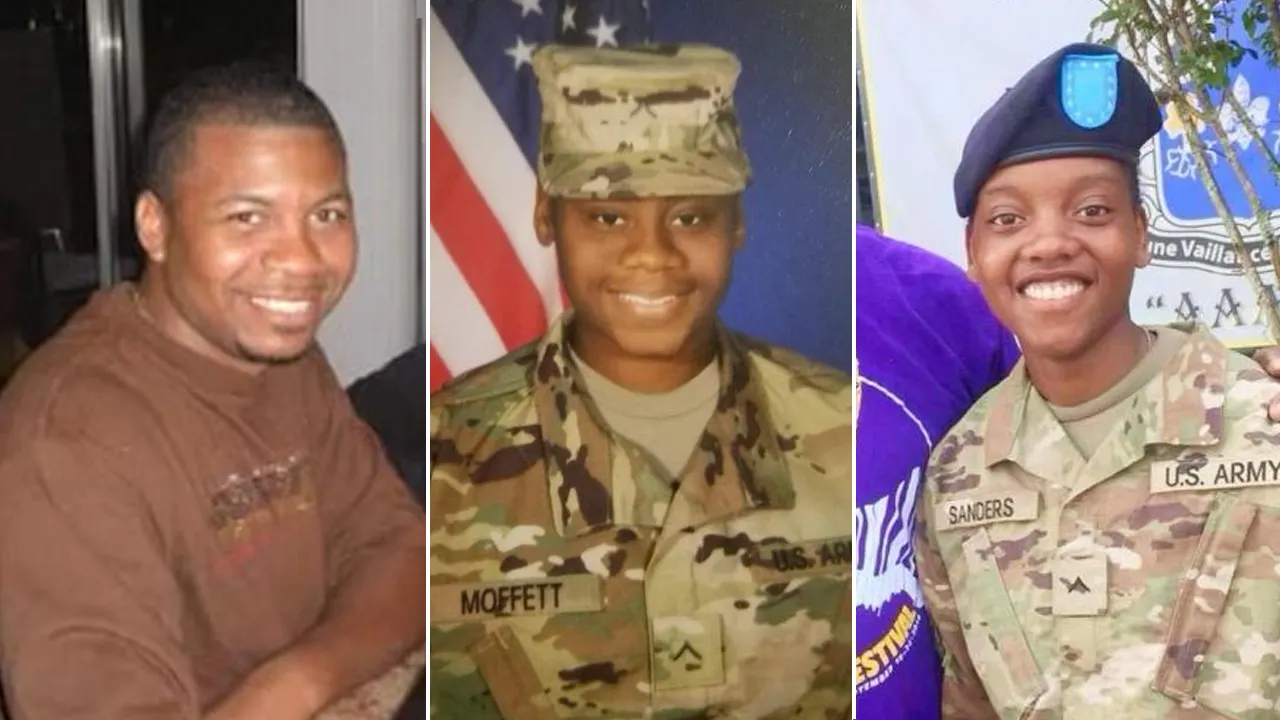
An American official disclosed on Tuesday the number of US soldiers injured in the conflict with Iran, indicating that the injuries were a result of ongoing military operations in the region. This information comes at a sensitive time, as concerns grow over escalating tensions in the Middle East.
The situation in the region is becoming increasingly complex, as US forces continue their military operations in Iraq and Syria, aiming to counter the security threats posed by Iran-backed armed groups. This situation has raised significant concerns within American political and military circles, with many questioning the future strategy of the United States in the region.
Details of the Incident
The official reported that the number of injured soldiers reached specific number, reflecting the significant challenges faced by US forces in the context of military operations. Medical care has been provided to the injured soldiers, and military leadership has confirmed that they are closely monitoring the situation.
These injuries come at a time when pressures are mounting on the US administration to reassess its strategy in the Middle East, as the American president faces increasing criticism regarding how to handle Iranian threats. There are also growing calls from some members of Congress to reevaluate the US military presence in the region.
Background & Context
Historically, US-Iranian relations have seen increasing tensions since the Islamic Revolution in 1979. Since then, there have been several military conflicts between the two countries, including US interventions in Iraq and Afghanistan. These events have led to heightened tensions in the region, making it difficult to achieve lasting stability.
Iran is considered one of the biggest challenges facing US foreign policy, as the United States seeks to contain its influence in the region. This has led to multiple military interventions, impacting the lives of American soldiers and their families.
Impact & Consequences
The repercussions of injuries among US soldiers extend beyond military dimensions, affecting domestic US politics. As the number of injuries rises, pressure increases on the US administration to provide clear answers regarding its strategy in the region.
These injuries may also lead to shifts in American public opinion, as citizens express concern about the cost of war on soldiers and their families. This concern could reflect in the outcomes of upcoming elections, as voters seek to understand how the administration will address these challenges.
Regional Significance
Events in Iran directly affect the situation in neighboring Arab countries, as Iran is a key player in many regional conflicts. There are growing fears that tensions between the US and Iran could escalate conflicts in the region, threatening security and stability in countries like Iraq, Syria, and Lebanon.
Moreover, rising tensions may lead to increased sectarian divisions in the region, complicating efforts to achieve peace and stability. Therefore, recent events require careful monitoring by Arab leaders as they seek to protect their national interests amid these changing circumstances.
In conclusion, the situation in the Middle East remains complex, with US and Iranian interests increasingly intertwined. As military operations continue, the lives of American soldiers and the security of the region remain at risk, necessitating new strategies to address these challenges.