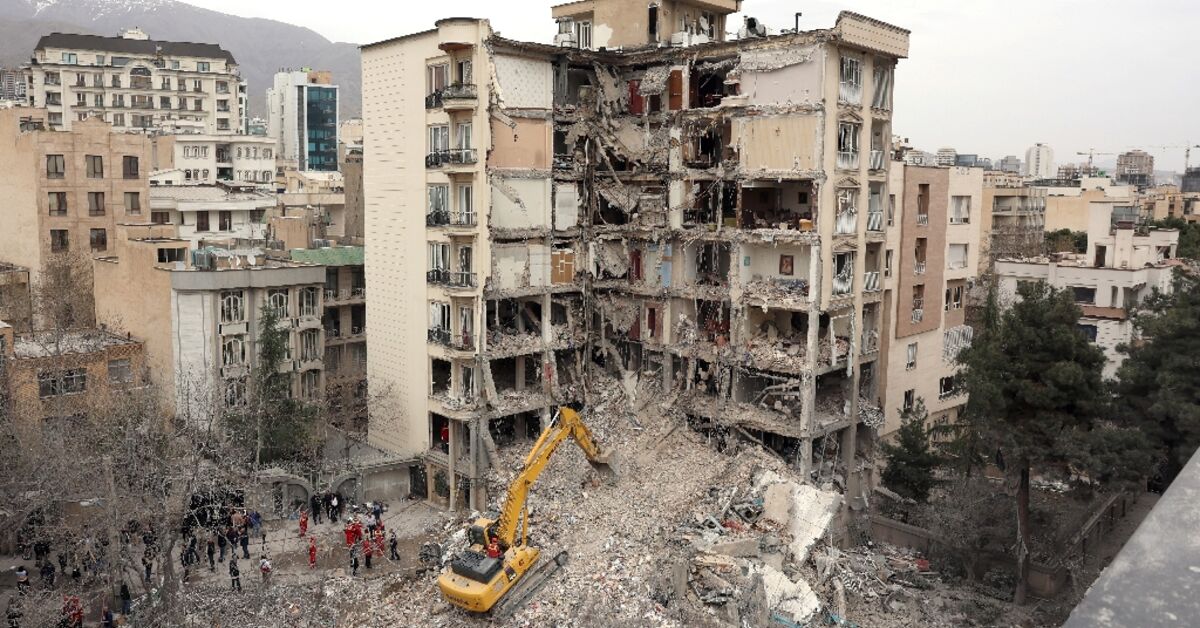
Under the pressure of escalating crises, the true figures regarding casualties in Iran remain obscure, as the government has not provided any official updates on the number of victims for weeks. In the current circumstances, international human rights organizations face significant challenges in gathering accurate information due to the internet blackout, making it nearly impossible to determine the actual numbers of the dead.
The latest official report from the Iranian Ministry of Health dates back to March 8, which was the ninth day of the conflict, when the ministry announced that approximately 1,200 civilians had died as a result of airstrikes carried out by the United States and Israel across the country. Since then, the government has not provided any new information, reflecting a state of ambiguity regarding the situation in the country.
Details of the Incident
Reports indicate that the deterioration of communication means in Iran has contributed to the worsening situation, leading to significant difficulties in documenting information about the victims and the injured. Human rights organizations emphasize the urgent need for international support to ensure humanitarian aid reaches those affected in conflict-affected areas.
Despite calls from the international community for the reopening of communication channels, the Iranian government has not taken any concrete steps towards these demands so far. This raises significant concerns about how it will affect civilians in the most affected areas.
Background & Context
These conditions come amid rising tensions in the Middle East, where the region has witnessed ongoing conflicts that have exacerbated humanitarian crises. It is important to note that Iran has previously experienced similar events of information blackout due to various crises, demonstrating a pattern of lack of transparency from the government towards its citizens and the international community.
In the summer of 2019, Iran witnessed widespread protests following a rise in fuel prices, during which the internet was completely shut down to reduce the flow of information abroad, hindering organizations' ability to document the repression faced by protesters. This background adds an additional dimension to understanding the current situation and highlights the challenges faced by human rights activists.
Impact & Consequences
The lack of information regarding casualties may contribute to worsening humanitarian conditions in Iran and increase levels of anxiety among civilians in the country, as well as enhance the sense of isolation among the Iranian people. These consequences could affect the country's stability in the long term and may lead to further escalation of the conflict if the situation continues in this manner.
Moreover, the inability of human rights organizations to accurately document the losses may weaken international pressure on Iran to respect human rights, exposing many civilians to further danger.
Regional Significance
The events in Iran are indicative of troubling waves of conflicts that could indirectly affect regional security in neighboring Arab countries. With each new crisis emerging in Iran, divisions within the region increase, raising concerns about the spillover effects of these conflicts into neighboring countries.
Additionally, the large numbers of displaced individuals affected by the conflicts could pose new challenges for neighboring countries, necessitating the alignment of regional policies to address recurring humanitarian crises.
Iran faces significant challenges in documenting the true figures of casualties, complicating the humanitarian situation in the country. International pressure must continue to push the government towards transparency and increase guidance for humanitarian support to those affected.