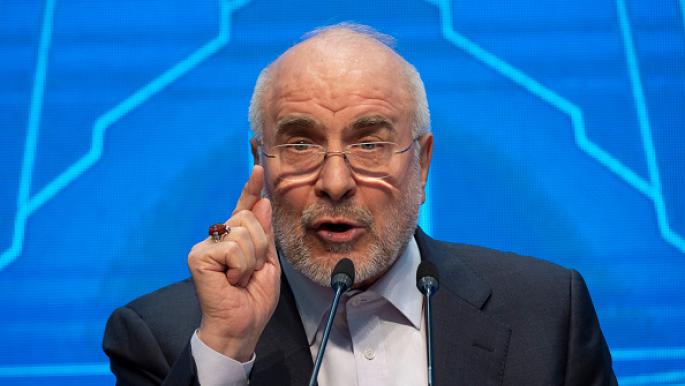
Iranian Parliament Speaker Mohammad Baqer Qalibaf revealed today that the United States is attempting to show its willingness for dialogue and negotiation while secretly planning a military ground operation against Iran. These statements come amid escalating tensions between Iran and the United States, raising concerns about regional stability.
Qalibaf, a prominent political figure in Iran, emphasized that these dual messages from Washington indicate unclear intentions, prompting Tehran to take precautionary measures to counter any potential threats. He also noted that this American strategy reflects a lack of trust in the intentions for peaceful dialogue.
Details of the Event
Qalibaf's statements come at a time when pressures on Iran from the United States and its allies are increasing, especially following a rise in military activities in the region. Recent days have seen American military movements in the Persian Gulf, raising fears of a potential escalation. Additionally, Iran is facing both internal and external challenges that require it to take decisive stances.
In this context, Qalibaf affirmed that Iran will not relent in defending its sovereignty and that any aggression against its territory will be met with a strong response. These statements reflect Iran's direction towards enhancing its defensive capabilities amidst ongoing threats from the United States.
Context and Background
Historically, Iranian-American relations have seen increasing tensions since the Islamic Revolution in 1979, during which the United States imposed economic and military sanctions on Iran. These policies have exacerbated conditions in the region, with Iran accusing the United States of interfering in its internal affairs and supporting its regional adversaries.
In recent years, Iran has attempted to strengthen its relations with other countries in the region, such as Russia and China, in an effort to counter American pressures. However, Qalibaf's recent statements indicate that Tehran still feels apprehensive about Washington's intentions, reflecting a state of uncertainty in international relations.
Consequences and Impact
If any American military operation against Iran is executed, it could lead to a significant escalation in the region, threatening the security and stability of neighboring countries. Furthermore, any military escalation could impact global oil prices, as Iran is considered one of the largest oil producers in the world.
Moreover, rising tensions could lead to increased divisions among Arab states, as positions may split between supporters and opponents of American intervention. This situation could complicate peace and stability efforts in the region and intensify existing conflicts.
Impact on the Arab Region
Neighboring Arab countries such as Iraq, Syria, and Lebanon are among the most affected by any potential military escalation. These countries are already suffering from internal and external conflicts, and any American intervention could exacerbate conditions within them.
Arab nations may find themselves in a precarious position, needing to take clear stances regarding the potential escalation, which could affect their relations with both Iran and the United States. Under these circumstances, it becomes essential for Arab countries to enhance cooperation among themselves to avoid any negative repercussions.
In conclusion, Qalibaf's recent statements serve as a warning regarding the increasing tensions between Iran and the United States, necessitating all concerned parties to work towards de-escalating the situation and avoiding military escalation.