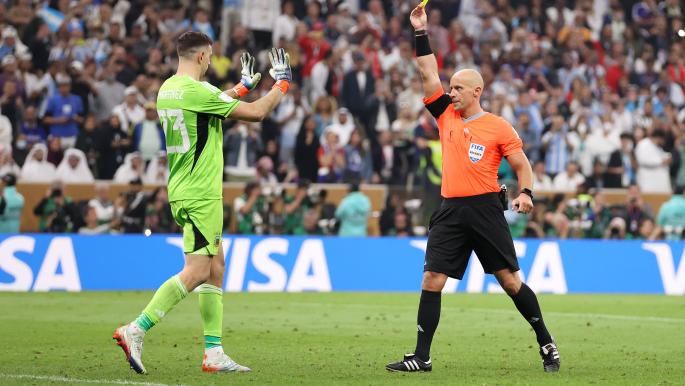
Football is set to enter a new regulatory phase during the 2026 World Cup, as FIFA plans significant changes to the penalty system, particularly regarding yellow cards. This initiative aims to reduce the number of cards issued to players, potentially transforming match management and enhancing sportsmanship.
Reports indicate that FIFA is considering amendments to the laws governing yellow cards, aiming to decrease their accumulation on players throughout the tournament. This adjustment could help minimize absences from crucial matches, thereby increasing the competitiveness of the tournament and enhancing the viewing experience.
Details of the Initiative
This direction comes after years of discussions regarding the impact of yellow cards on match outcomes. In numerous previous tournaments, teams have faced significant absences due to card accumulation, adversely affecting their overall performance. Therefore, FIFA seeks to find innovative solutions to avoid this issue.
Final details of the amendments are expected to be announced before the tournament kicks off, allowing teams and players to prepare more effectively. Additionally, these changes may reflect FIFA's vision for developing the game and making it fairer and more exciting.
Background & Context
Historically, yellow cards have been an essential part of the penalty system in football, aimed at regulating player behavior. However, the accumulation of these cards can lead to negative consequences for teams, especially in major tournaments like the World Cup.
In recent years, football has seen multiple changes in the laws of the game, including the introduction of VAR technology, which has improved the accuracy of officiating decisions. The proposed amendment to the card system comes as an additional step towards enhancing the experience for both fans and players.
Impact & Consequences
If this amendment is implemented, it could significantly affect how matches are managed. Reducing the number of cards issued may increase the number of players available for critical matches, thereby enhancing the level of competition.
Moreover, this amendment could encourage teams to adopt more offensive playing styles, as players would not need to worry about card accumulation. This could lead to more thrilling and engaging matches for fans.
Regional Significance
Football is one of the most popular sports in the Arab world, with millions of fans passionately following major tournaments. Changes in the penalty system could impact Arab teams participating in the World Cup, potentially enhancing their chances of competing for top positions.
Furthermore, these amendments may contribute to improving the image of Arab football on the international stage, reflecting the ongoing development of the game in the region.
In conclusion, it appears that FIFA is moving in a new direction aimed at improving the football experience, which could change the nature of competitions in the future. It remains to be seen how these changes will affect the overall performance of teams during the 2026 World Cup.