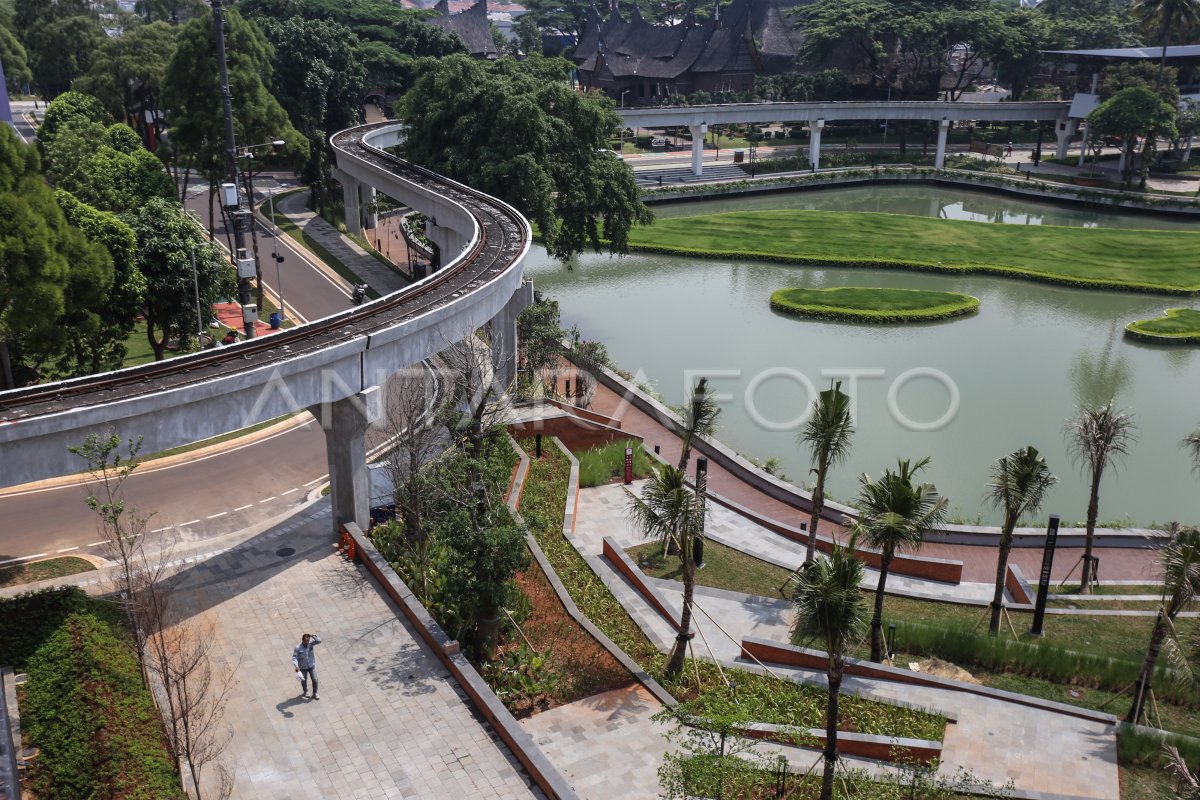
Jakarta's Deputy Governor, Rano Karno, has unveiled an ambitious plan to revitalize Anjungan Jakarta in Taman Mini Indonesia Indah (TMII), relying on digital technology to provide an immersive cultural experience. This initiative aims to enhance local culture and educate visitors about the diversity of Jakarta's community, particularly as the city nears its 500th anniversary in 2027.
The revitalization plan includes a long-term vision extending over 20 years, with Rano emphasizing that this transformation is essential to keep pace with the digital age that the world is experiencing today. He noted that children and youth today have different expectations, necessitating the city to prepare to meet these new needs.
Details of the Revitalization Plan
The revitalization plan involves an investment of 77.5 billion rupiah, with work scheduled to commence in 2024. The project will be funded through a mix of sources, including the local budget (APBD) and other resources. In the first phase, 25 billion rupiah will be allocated by PT Wisma Nusantara Internasional, with the potential for additional funding of the same amount from non-local budget sources.
Construction is expected to begin in June 2026, with a target completion date set for one year later. This timing aims to reopen Anjungan Jakarta in conjunction with the city's 500th anniversary, reflecting the project's significance in enhancing the city's cultural identity.
Background & Context
Taman Mini Indonesia Indah was established in 1975 as a tourist destination aimed at showcasing Indonesia's cultural diversity. Over time, this destination has become a symbol of Indonesian culture, featuring exhibits representing various regions and tribes across the country. However, the need to update these exhibits to fit the digital age has become urgent, especially given the increasing reliance on technology in all aspects of life.
Jakarta, the largest city in Indonesia, serves as an important cultural and economic hub, making it essential for its developmental projects to reflect this cultural diversity. The revitalization is expected to boost tourism and increase cultural awareness among local and international visitors.
Impact & Consequences
The revitalization of Anjungan Jakarta is anticipated to have a significant impact on tourism in the city, attracting more visitors seeking immersive cultural experiences. This project will also help strengthen the city's cultural identity, enhancing its status as a cultural center in the region.
Moreover, the use of digital technology in the exhibits will enable visitors to interact more with local culture, thereby enhancing their understanding and appreciation of Indonesia's cultural diversity. This initiative could inspire other cities in the region to adopt similar projects, fostering cultural cooperation among nations.
Regional Significance
Cultural revitalization projects like this are particularly significant for the Arab region, where many countries are striving to enhance their cultural identity amid globalization. Jakarta's experience could serve as a model for Arab nations looking to integrate technology with culture to boost tourism and cultural interaction.
In conclusion, the revitalization of Anjungan Jakarta represents an important step towards the future, merging cultural heritage with modern technology. Through this project, Jakarta hopes to strengthen its position as a vibrant cultural center in Indonesia.