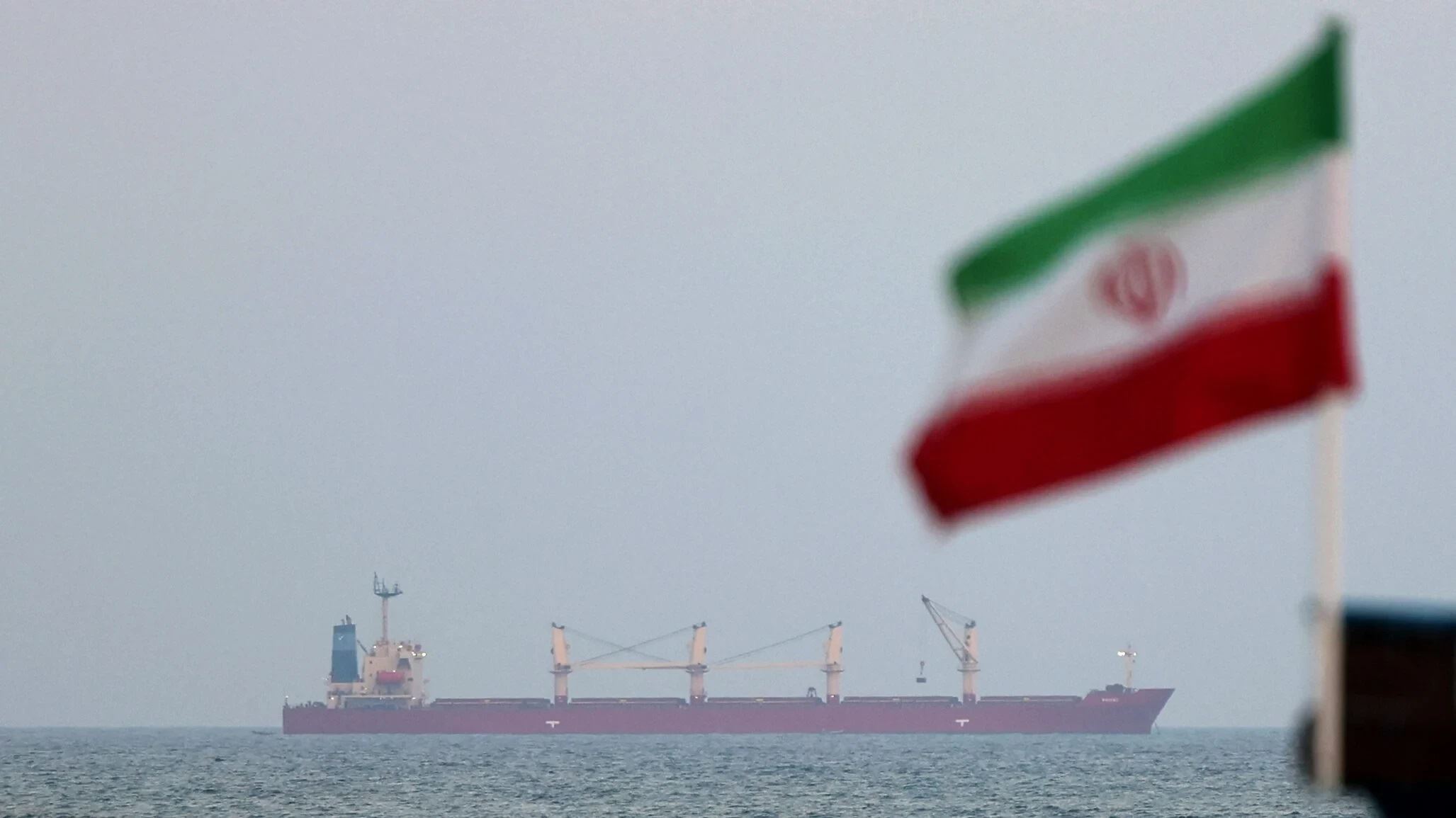
The OECD reports that the ongoing conflict in the Middle East is reviving inflation fears, hindering the global economic recovery that had begun earlier this year. Predictions indicate that inflation in the United States could reach 4.2%, raising concerns about global economic stability.
While major economies were showing signs of recovery after the impacts of the COVID-19 pandemic, the conflict in the Middle East has complicated matters once again. This conflict has led to increased energy and food prices, contributing to rising inflation rates in many countries.
Details of the Conflict
Reports indicate that the conflict in the Middle East, which has seen an escalation in violence, has directly impacted oil prices, with prices rising significantly in recent weeks. This increase has led to higher transportation and production costs, negatively affecting prices in global markets.
Moreover, the political tensions in the region contribute to instability in financial markets, as investors prefer to steer clear of high-risk assets amid tense conditions. This situation adds pressure on economies that were hoping for a quick recovery.
Background & Context
Historically, the region has witnessed numerous conflicts that have affected the global economy. For example, in 1973, the October War led to a global energy crisis, with oil prices soaring, impacting the economies of consumer countries. Today, it seems history is repeating itself, as the current conflict revives those crises.
These events coincide with efforts by major countries to mitigate the effects of inflation, as central banks seek to raise interest rates to control inflation. However, the conflict in the Middle East may complicate these efforts and increase economic challenges.
Impact & Consequences
Predictions suggest that the continuation of the conflict could exacerbate economic conditions in developing countries, where many of these nations rely on importing food and energy. As a result, rising prices could lead to increased poverty and hunger rates in those countries.
Furthermore, rising inflation in the United States could affect global monetary policies, as central banks in other countries may be forced to take similar actions, potentially leading to a slowdown in global economic growth.
Regional Significance
For the Arab region, the escalation of the conflict may directly impact the economies of neighboring countries. While rising oil prices could have a positive effect on some oil-producing nations, they may simultaneously increase the economic burdens on importing countries.
Additionally, the tense security situation may affect foreign investments in the region, increasing the economic challenges faced by Arab nations. Under these circumstances, Arab countries need effective strategies to address the successive economic crises.
In conclusion, it appears that the conflict in the Middle East is bringing inflation fears back to the forefront, placing additional pressures on the global economy. As these conditions persist, it will be essential for countries to take effective steps to mitigate the impacts of this inflation on their populations and economies.