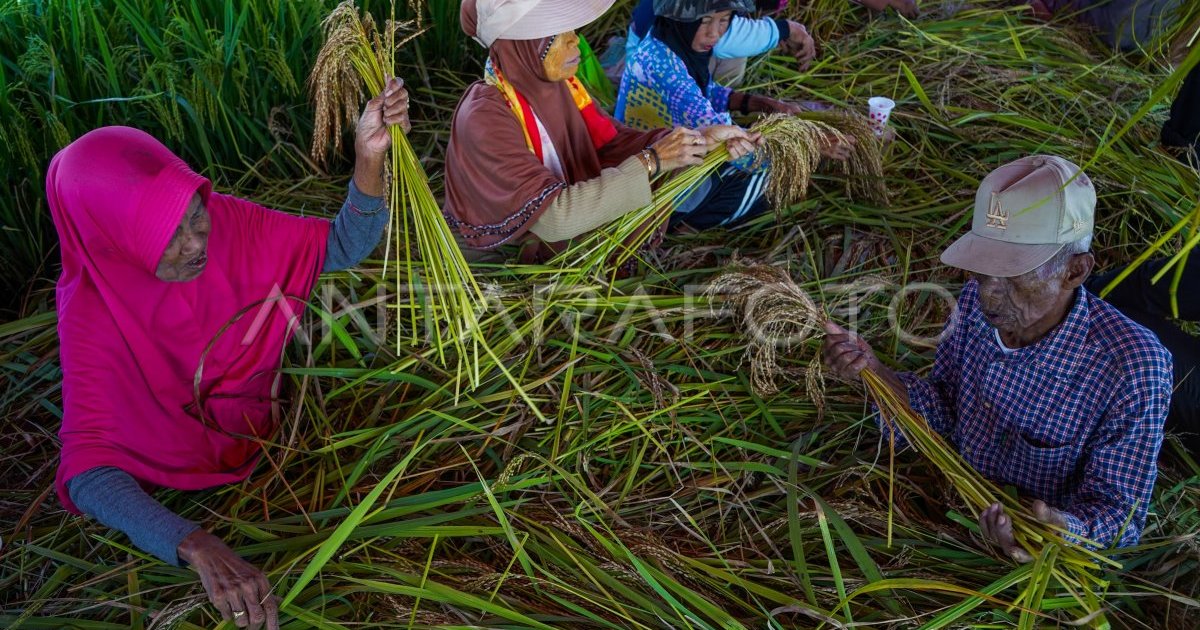
The Maros Kingdom in the South Sulawesi province of Indonesia is actively reviving the 'Kato Buku' tradition, an annual celebration that embodies the cultural pride of the local community. This tradition, considered part of the cultural heritage passed down through generations, focuses on celebrating agricultural harvests and reflects the spirit of cooperation among community members.
In a statement, Abdul Waris Karing Suyaga, a representative of the traditional authorities in the Maros Kingdom, emphasized that maintaining this tradition requires fostering values of cooperation and participation among all community members. Although the monarchy is not as it once was, the spirit of community remains strong, with everyone working together to revive this traditional celebration.
Event Details
'Kato Buku' is a celebration that combines joy and gratitude, where thanks are offered to the deities for abundant harvests. The celebration includes a variety of cultural and artistic activities, such as traditional dances and music, which reflect the rich heritage of the region. The event showcases the importance of agriculture in the community's life, utilizing traditional rice varieties that have been inherited through generations.
Local communities continue to cultivate inherited rice varieties, such as Asi Labang and Asi Panda, known for their high quality and pest resistance. These varieties are not only part of the local diet but also represent a significant aspect of the community's cultural identity.
Background & Context
The roots of the 'Kato Buku' tradition date back to ancient times, where it was seen as a means to celebrate agricultural successes and strengthen social bonds. The region has witnessed numerous social and economic changes over the years, yet this tradition has endured thanks to the community's commitment to preserving its cultural heritage.
Indonesia is known for its rich cultural diversity, encompassing many customs and traditions that reflect its long history. 'Kato Buku' exemplifies how communities can maintain their cultural identity amidst global changes.
Impact & Consequences
The efforts of the Maros Kingdom to preserve the 'Kato Buku' tradition highlight the importance of culture in enhancing national identity. Cultural traditions not only contribute to strengthening social ties but also play a role in attracting tourists and boosting the local economy. Through these celebrations, visitors can learn about the region's rich cultural heritage, which supports local communities.
Moreover, preserving these traditions reflects communities' ability to adapt to changes, as some aspects of the celebration are updated to suit new generations, ensuring the continuity of these traditions in the future.
Regional Significance
The lessons learned from the Maros Kingdom's experience can inspire many Arab communities striving to preserve their cultural heritage. Just like in Indonesia, many Arab countries face challenges in maintaining their traditions amid globalization and rapid changes. Cultural celebrations such as 'Kato Buku' can help enhance national identity and strengthen social bonds among individuals.
In conclusion, the 'Kato Buku' tradition serves as a model for how to preserve cultural heritage and promote community values. The continuity of this tradition reflects the strength of the community and its ability to face challenges, making it an example to be emulated worldwide.