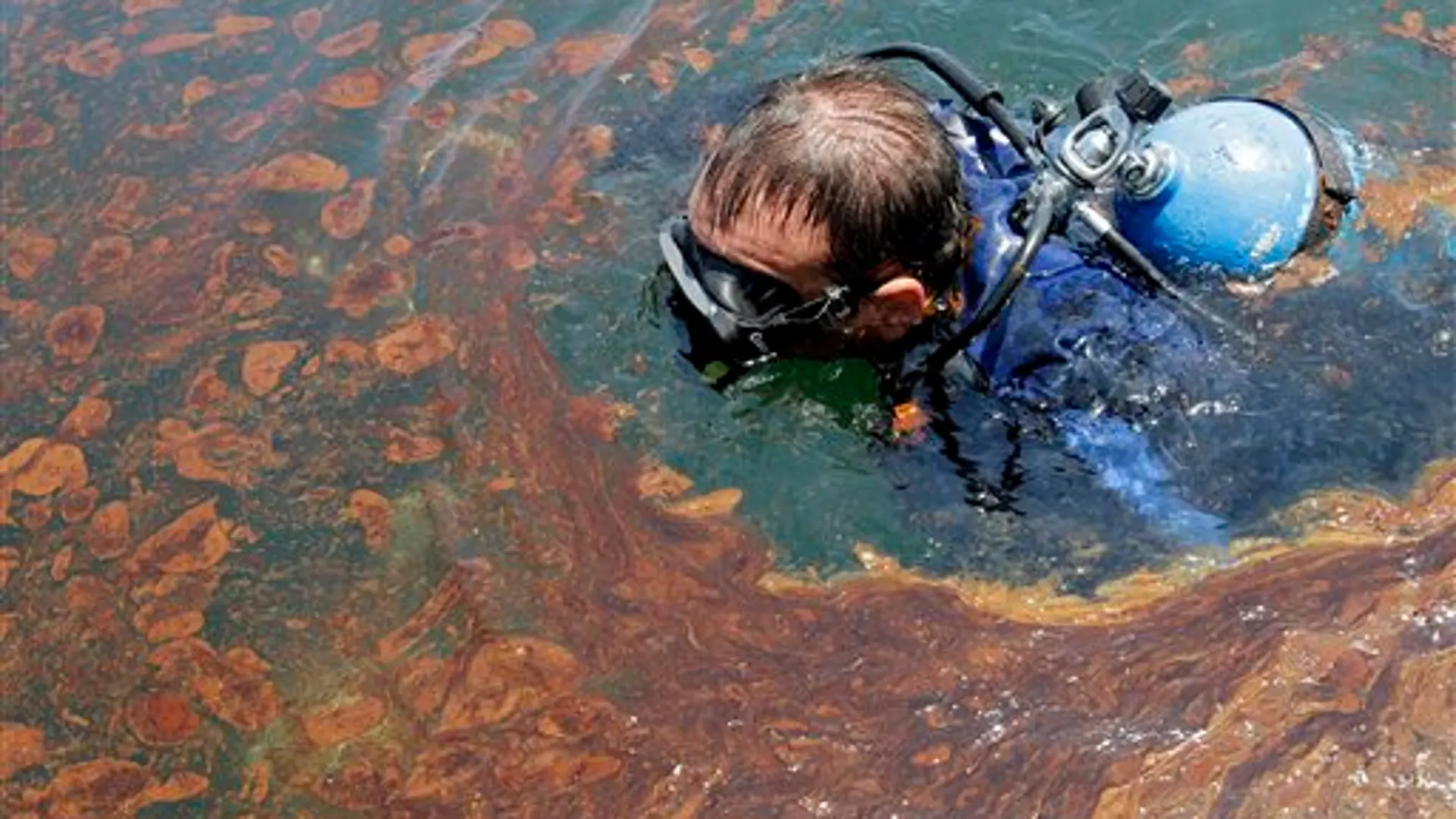
Gulf countries are striving to address the growing economic challenges stemming from the crisis in the Strait of Hormuz, which has significantly impacted oil and gas exports. In light of these circumstances, these nations have begun to revive previously shelved projects in an effort to adapt to the current situation.
The pressures on Gulf economies are mounting, prompting governments to seek unconventional solutions. This shift has raised questions among experts regarding the effectiveness of these alternatives and their potential to achieve the desired economic success.
Details of the Crisis
The crisis in the Strait of Hormuz, one of the most crucial maritime routes for oil transportation, has led to a noticeable decline in exports from Gulf countries. Reports indicate that these nations, which heavily rely on oil revenues, are facing new challenges that necessitate innovative strategies.
Among the projects being revived are plans to develop renewable energy sources, alongside boosting investments in non-oil sectors. These steps come at a time when concerns about global market fluctuations and their impact on the local economy are increasing.
Background & Context
Historically, Gulf countries have primarily depended on oil as their main source of revenue. However, changes in the global market, coupled with geopolitical tensions, have made it essential for these nations to reassess their economic strategies.
In recent years, some Gulf states have begun diversifying their economies, but current challenges may lead them back to focusing on old projects to confront crises. This shift reflects the extent to which external factors influence domestic economic policies.
Impact & Consequences
If Gulf countries succeed in implementing these alternative projects, it could lead to long-term improvements in their economic situation. However, failure to achieve this may exacerbate existing economic and social crises.
These new projects require substantial investments and collaboration between the public and private sectors, which may pose a challenge under current conditions. Success also hinges on the ability to attract both foreign and local investments.
Regional Significance
The crisis in the Strait of Hormuz is a sensitive issue affecting all countries in the region, as any decline in oil exports could negatively impact the economies of neighboring nations. Therefore, the success or failure of these projects in the Gulf could have far-reaching implications for economic stability in the region.
In conclusion, the current situation in the Gulf demands a swift and effective response from governments. Reviving old projects may be a step towards achieving economic stability, but these countries must be prepared to face new challenges that may arise in the future.