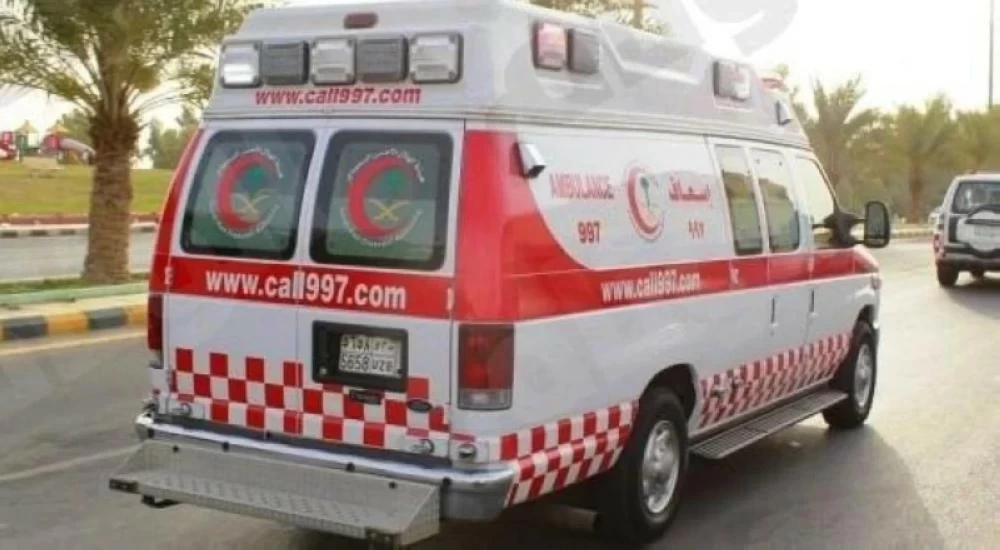
A team from the Saudi Red Crescent was able to revive a patient who experienced a cardiac arrest in the Al-Murabba neighborhood of Riyadh, thanks to the activation of the cardiac emergencies pathway. The emergency response teams acted swiftly, with a response time of just 6 minutes.
Upon arrival, the emergency teams found the patient in complete cardiac and respiratory arrest, with indications of an acute cardiac condition. This necessitated immediate initiation of cardiopulmonary resuscitation (CPR) procedures, which were essential for saving the patient's life.
Details of the Incident
The authority reported that, alongside field procedures, the cardiac emergencies pathway was activated by medical control according to approved protocols. This pathway allows for the direct transfer of the patient to the cardiac catheterization lab without going through emergency department procedures, which helps expedite therapeutic intervention at the optimal time.
This pathway is one of the specialized routes that relies on the integration of field response with healthcare facilities, reducing the time from the moment of suspicion of the condition to the start of therapeutic intervention. This integration directly contributes to improving outcomes for critical cases.
Background & Context
Cardiac arrest cases are considered critical medical emergencies that require rapid and effective responses. In recent years, the Saudi Red Crescent has increased its efforts to enhance its response to emergency situations by developing new protocols and activating specialized treatment pathways.
These efforts are part of the authority's aim to reduce mortality rates resulting from cardiac crises, as studies indicate that rapid intervention can significantly increase survival chances.
Impact & Consequences
The speed of response and early initiation of resuscitation, along with the activation of the pathway, contributed to the restoration of the patient's pulse. After the pulse was restored, the patient was urgently transferred for further necessary medical care, reflecting the importance of coordination between emergency teams and healthcare facilities.
This case serves as a successful example of how emergency response can be improved, potentially saving more lives in the future. Enhancing these systems can have a significant impact on public health in the community.
Regional Significance
This experience serves as a model for other Arab countries, many of which face similar challenges in healthcare and emergency response. Arab nations can benefit from this experience to develop their healthcare systems and improve their responses to emergencies.
Strengthening cooperation between various health authorities and activating specialized pathways can contribute to raising the level of healthcare in the region, positively affecting the health of citizens.