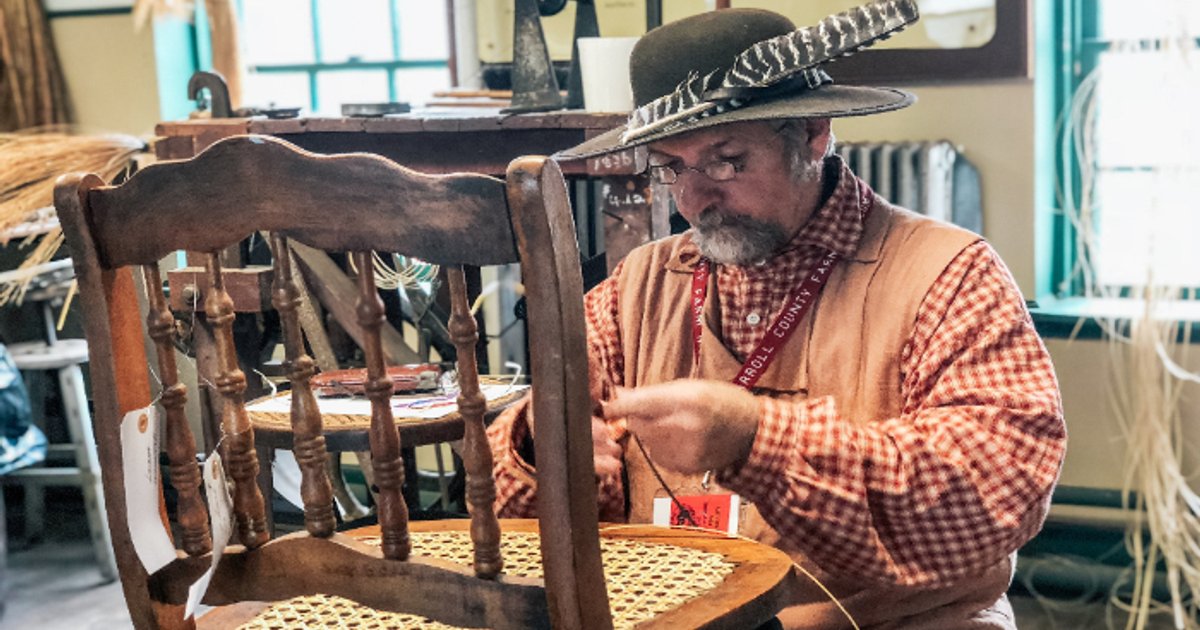
The Traditional Arts Festival has revitalized popular creativity through a series of artistic performances highlighting rich cultural heritage. Held in the heart of the city, the festival attracted numerous visitors and participants of all ages.
The festival featured a diverse range of events, including musical performances, traditional dances, and art workshops that allowed visitors to experience folk arts firsthand. Traditional handicrafts were also showcased, reflecting the skills and history of local artists.
Event Details
The Traditional Arts Festival took place from October 10 to 15, witnessing a significant turnout from the public. Local and international artists participated in the festival, giving the event a global character. Cultural seminars were organized to discuss the importance of traditional arts in preserving cultural identity.
Events were spread across several locations in the city, providing visitors with the opportunity to explore historical sites and enjoy performances outdoors. Special areas were designated for children, where interactive activities aimed at fostering a love for the arts in younger generations were organized.
Background & Context
Traditional arts are an integral part of the cultural identity of many Arab communities. With the rise of globalization, this heritage faces significant challenges that threaten its continuity. Therefore, hosting festivals like the Traditional Arts Festival is an important step in reviving this heritage and introducing younger generations to its significance.
Historically, folk arts reflected the lives and traditions of communities, but they have sometimes been neglected due to social and economic changes. This festival serves as an opportunity to restore the value of these arts and raise awareness of their importance in shaping cultural identity.
Impact & Consequences
The Traditional Arts Festival represents a platform for promoting cultural tourism, attracting visitors from around the world. It also supports local artists and boosts the local economy by increasing commercial activity in the region.
Moreover, the festival contributes to enhancing cultural understanding among peoples, as it brings together various cultures and arts within a single framework. This cultural interaction can lead to strengthened international relations and reflect a positive image of the region.
Regional Significance
Traditional arts are an important part of Arab heritage, and their revival in festivals underscores the importance of preserving cultural identity in the face of globalization. These events can inspire other countries in the region to hold similar festivals, thereby enhancing cultural cooperation among Arab nations.
In conclusion, the Traditional Arts Festival represents a positive step towards promoting folk arts and reviving cultural heritage. The continuation of such events will contribute to preserving cultural identity for future generations.