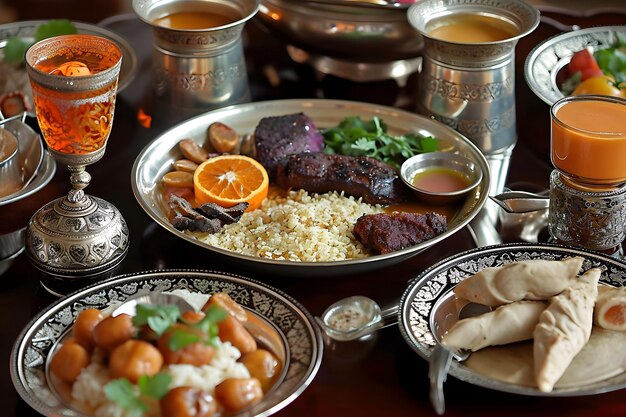
Traditional cuisine is an integral part of the cultural identity of every nation, reflecting the customs and traditions of its people. In the Arab world, these dishes vary among popular foods that date back to ancient times, making them a symbol of cultural heritage.
Many Arab countries are working to revive these cuisines by organizing festivals and special events aimed at raising awareness about the importance of food heritage. These initiatives not only contribute to preserving cultural heritage but also support the local economy by encouraging tourism.
Event Details
In recent years, several Arab countries, such as Jordan, Palestine, and Lebanon, have witnessed a growing interest in traditional cuisine. Food festivals have been held that bring together local chefs and visitors to showcase traditional dishes such as mansaf, maqluba, and kibbeh.
These events provide an opportunity for chefs to exchange experiences and teach new generations how to prepare traditional dishes. They also highlight local ingredients, enhancing the value of agricultural products in those countries.
Background & Context
Historically, traditional cuisine has reflected the cultural diversity in the Arab world, where each region has been influenced by geographical and climatic factors. For instance, coastal cuisines are characterized by the use of fish and seafood, while mountainous regions focus on meats and grains.
With social and economic changes, some of these dishes began to fade away, prompting governments and local communities to take steps to preserve them. These efforts include documenting traditional recipes and training chefs in ancient preparation methods.
Impact & Consequences
Traditional cuisine contributes to strengthening national identity, as citizens feel pride when consuming dishes that reflect their history and culture. Moreover, these dishes play an important role in promoting tourism, as visitors seek to experience authentic flavors.
Furthermore, these practices support the local economy by potentially opening new job opportunities in agriculture, cooking, and tourism. They also enhance cooperation among local communities and help build stronger relationships.
Regional Significance
Traditional cuisine is part of a shared Arab identity, with some dishes being similar across countries, thereby strengthening cultural ties. These connections can contribute to fostering peace and understanding among peoples.
Ultimately, traditional cuisine remains a symbol of cultural heritage and deserves the efforts made to preserve it. Reviving these dishes is not just a cultural act but an investment in the future.