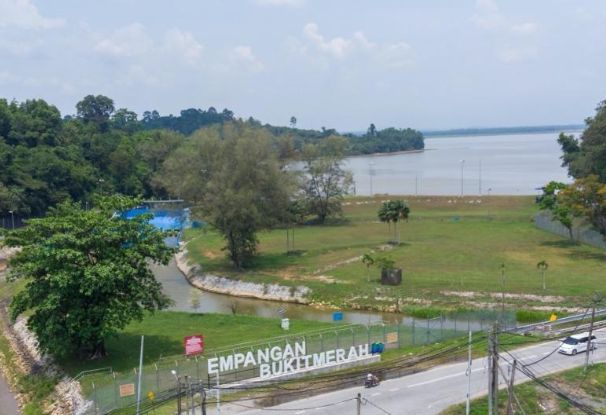
Rice farmers in the Kiryana region of Malaysia are expressing deep concerns due to rising temperatures and their impact on water levels at Bukit Mira Dam, which has delayed the current planting season. This concern comes at a time when farmers are struggling with a lack of water necessary for rice cultivation, a staple crop in the area.
The harsh climatic conditions are deteriorating the agricultural situation, as temperatures have reached unusually high levels, negatively affecting farmers' ability to start the planting season on time. Farmers have indicated that delays in irrigation could lead to a reduction in expected yields, threatening their livelihoods.
Details of the Situation
The Kiryana region is considered one of the main agricultural areas in Malaysia, with many residents relying on rice farming as a primary source of income. However, the current climatic conditions, including rising temperatures and water shortages, may disrupt these agricultural activities. Farmers have reported increasing anxiety, as delays in starting the planting process could lead to decreased productivity.
According to reports, water levels at Bukit Mira Dam have reached critical levels, raising concerns about the ability to provide sufficient irrigation water. Farmers have called on local authorities to take urgent action to ensure the necessary water supply for the planting season.
Background & Context
Historically, Malaysia has relied heavily on agriculture, particularly rice farming, as a primary source of food and economic stability. However, climate change has become a significant challenge for farmers in the country. In recent years, there has been an increase in temperatures and unpredictable climatic fluctuations, adversely affecting agricultural production.
In past years, Malaysia has also faced similar issues related to water shortages, leading to delays in planting seasons. With increasing climatic pressures, it has become essential for the government to adopt effective strategies to adapt to these changes and ensure the sustainability of agriculture in the country.
Impact & Consequences
If current conditions persist, the delay in the planting season could lead to a shortage in rice production, potentially driving up food prices in the market. This situation may also affect food security in the country, as rice is a staple food for many residents.
Moreover, the economic impacts of reduced production could be widespread, as many farmers depend on rice cultivation as their primary source of income. Consequently, any decline in production could exacerbate the economic conditions for farmers and their families.
Regional Significance
Food security and climate change issues are common challenges facing many Arab countries. With increasing climatic pressures, Arab nations may also encounter similar problems related to water shortages and their impact on agriculture. Therefore, the experiences and lessons learned from Malaysia could be of significant importance to Arab countries in addressing these challenges.
In conclusion, the current situation in Kiryana requires a swift response from local authorities to ensure the necessary water supply for farmers. Additionally, regional and international cooperation may be essential to tackle climate challenges and secure the future of agriculture in the region.