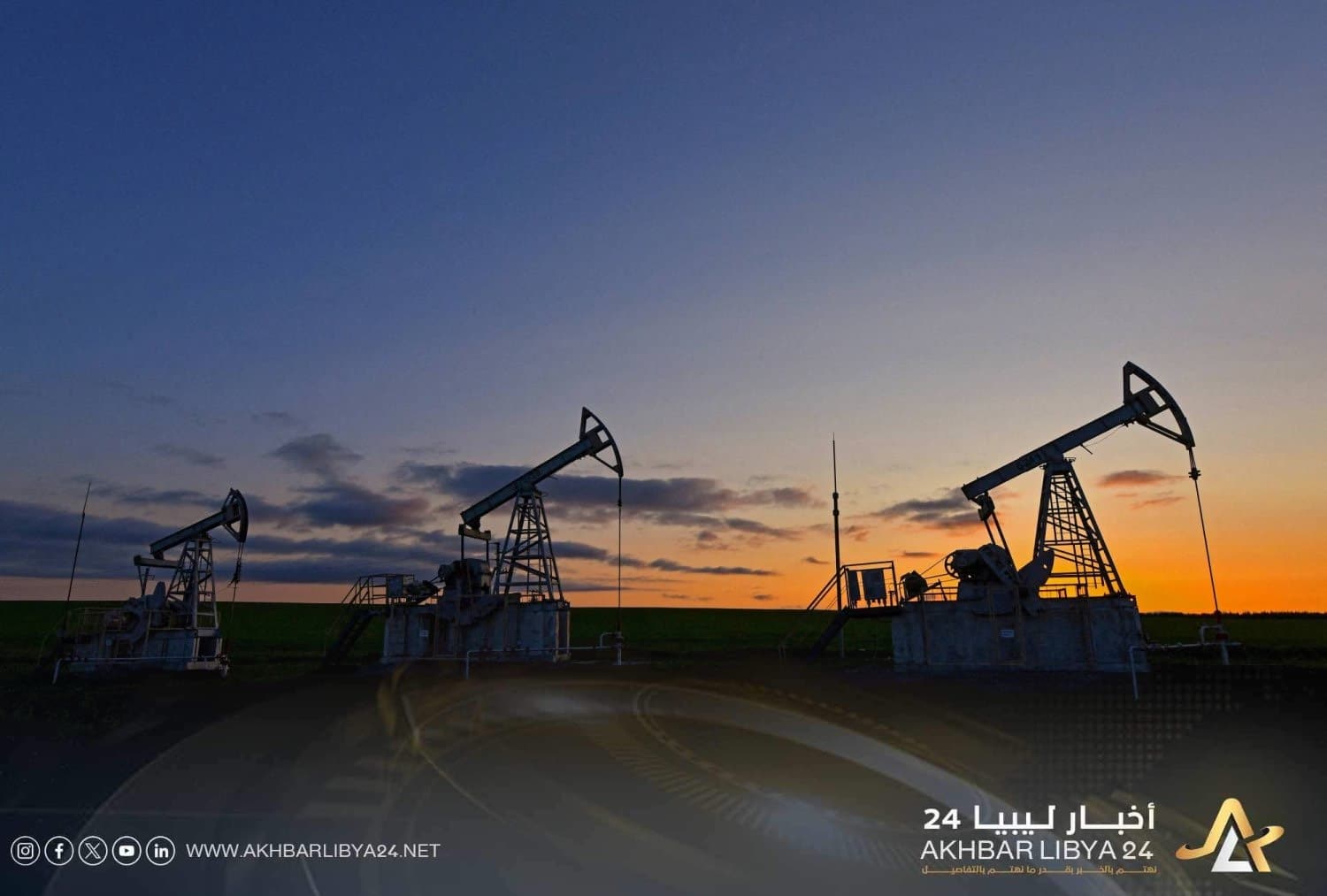
The escalating tensions in the Middle East, particularly due to the conflict in Iran, have led to a sharp decline in European stock markets, while oil prices have surged to over $100 per barrel. The recent remarks by U.S. President Donald Trump, indicating no swift resolution to the war in Iran, served as the main catalyst for this sudden market shift.
Reports indicate a rising wave of concern among investors seeking to safeguard their finances under the current conditions. Many financial institutions are beginning to predict increased economic instability should the conflict worsen. However, the rising oil prices are not a new trend at this time, as markets have fluctuated between hope and despair even before these recent developments.
Details of the Event
Oil prices have entered a strong upward trend, reaching levels not witnessed in years. Despite a relative stability achieved in prices over the past few months, the current situation is resurfacing fears for companies and investors regarding price volatility. The price of Brent crude oil reached $100.56, indicating increasing concern about supply availability.
Regarding European markets, reports have documented significant declines, with the German DAX index falling by 1.5%, while the British FTSE 100 index dropped by about 1%. Reports suggest that this decline is a result of rising energy costs relative to income, thereby increasing pressures on companies.
Background & Context
The recent escalation follows a period of relative calm in oil prices, which had previously been on a decline for months. However, the Iranian conflict isn't the only one affecting energy prices. The Ukrainian crisis was also a contributing factor to last year's rise in energy prices, which heightened fears of the implications of military conflicts on global supplies. The war with Iran, bringing various geopolitical tensions, is causing investors to anticipate further chaos.
Historically, oil markets and political affairs have been closely intertwined. When crises erupt in the region, their impacts quickly manifest on oil prices. For example, in previous years, crises in Iraq and Syria have significantly contributed to rising oil prices due to uncertainty surrounding supply.
Impact & Consequences
The current rise in oil prices could negatively affect the global economy. Estimates suggest that increasing prices lead to a reduction in economic growth in many countries. Moreover, the rise in energy prices directly impacts transportation and production costs, raising overall prices and putting pressure on consumers.
The concerns regarding the economic ramifications of the conflict extend beyond the geographical borders of the struggle. Any escalation in the Middle East could lead to global reactions, including currency declines and rising prices in general. Many global economies depend on the stability of oil and financial markets in general.
Regional Significance
On the Arab front, similar events have a profound impact. Oil-dependent countries will face crises if the price escalations continue, potentially affecting national budgets and disrupting economic development plans. Additionally, actors in the region like Iran and Saudi Arabia may be significantly impacted by the current tensions, where any military actions could exacerbate the entire region.
In conclusion, investors and analysts find themselves in a difficult position, as everyone tries to assess risks and opportunities in light of the changing situation. The question of how events will unfold in the Middle East and their effects on economic conditions remains one of the most significant challenges facing the global landscape today.