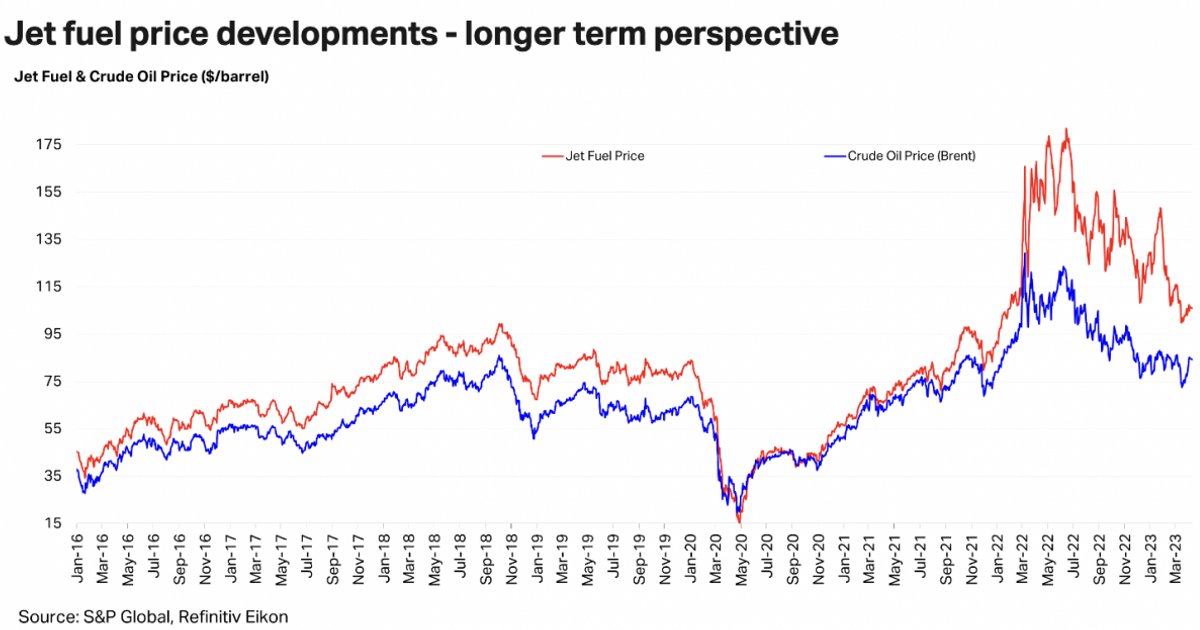
A member of the Indonesian Parliament's transport committee, Rifqi Abdul Halim, has called on the Indonesian government to take proactive measures to address the sharp rise in global aircraft fuel prices (aviation fuel), which have surged by nearly 80%. He emphasized that this increase could greatly affect airline ticket prices in the country, threatening citizens' ability to travel and negatively impacting the tourism sector.
In statements made in Jakarta, Rifqi pointed out that the government must take this situation seriously, as rising fuel prices could lead to higher ticket prices, which may burden citizens and disrupt regional mobility, in addition to adversely affecting tourism.
Details of the Situation
Rifqi stated, "We cannot allow market mechanisms to operate unchecked in such exceptional circumstances. The government must intervene to ensure that citizens do not bear the full burden of increased costs." He also urged the government to learn from the experiences of other countries, such as Vietnam, where the aircraft fuel crisis led to a significant reduction in the number of flights.
He added, "We must learn from the experiences of others. The crisis that led to a drastic reduction in flights is a serious warning. Indonesia must avoid repeating this experience."
Background & Context
These calls come at a time when the world is witnessing geopolitical changes that are affecting energy prices, including aircraft fuel. This price increase has led to widespread concern in many countries, as Indonesia, being an archipelagic nation, heavily relies on air transport to facilitate the movement of citizens and goods.
Historically, Indonesia has faced similar crises in the aviation sector, where increases in fuel prices led to higher operating costs, impacting ticket prices. However, the previous government took steps to alleviate these burdens by providing financial support to airlines.
Impact & Consequences
An analysis of the current situation indicates that rising aircraft fuel prices could lead to a significant increase in ticket prices, potentially discouraging travel and impacting the tourism sector, which is one of the main sources of revenue in Indonesia. This situation may also contribute to a reduction in the options available to citizens, affecting their mobility.
Rifqi also highlighted the importance of enhancing domestic production of aircraft fuel and increasing distribution efficiency, which could help reduce logistical costs. He stressed the need to strengthen cooperation between government and private airlines to ensure the stability of the industry amid global pressures.
Regional Significance
Aircraft fuel prices are a significant issue for the Arab region, where many Arab countries depend on tourism and air transport as a fundamental part of their economies. Rising fuel prices could affect tourism flows between Arab countries, necessitating similar measures to those being called for in Indonesia.
In conclusion, the current situation requires a swift and effective response from governments to ensure that citizens do not bear additional burdens while maintaining stability in the aviation sector and enhancing access to air transport services.