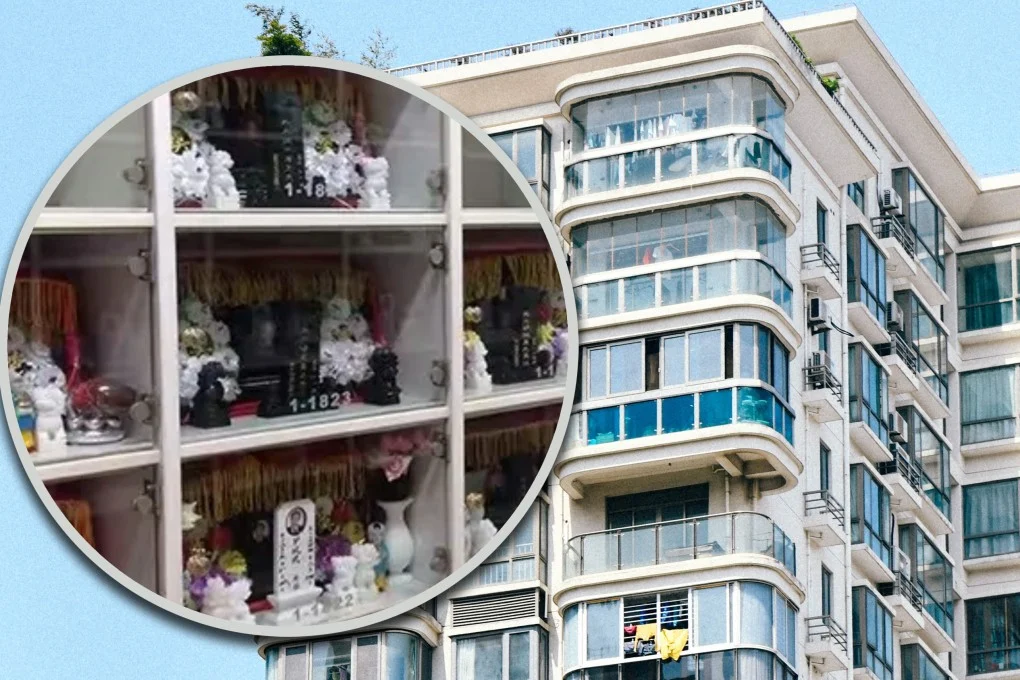
Reports indicate that the rising costs of burial plots in China have prompted many families to take unconventional steps, such as purchasing apartments to store the ashes of their loved ones. This new phenomenon has ignited intense discussions within Chinese society, where traditional burial practices are considered an essential part of the culture of mutual respect between generations.
Historically, Chinese families have placed great importance on burial practices, viewing the securing of a respectful grave as one of the most significant expressions of filial piety. However, rapid urban developments and the growth of the elderly population have increased the demand for burial spaces, leading to their scarcity and rising costs.
Details of the Situation
According to local reports, burial costs in major cities like Beijing and Shanghai have significantly increased, making them affordable for only a few families. Under these circumstances, many have begun looking for alternatives, resulting in the purchase of small apartments to store the ashes of the deceased. This move has sparked debate about how respectful it is to Chinese traditions.
Burial prices in China range from thousands to tens of thousands of yuan, creating a substantial financial burden on families. With the increasing number of elderly residents, experts predict that this trend will continue to rise in the near future.
Background & Context
Burial practices in China are part of a traditional culture that extends back thousands of years. Respectable graves have been seen as a sign of respect and loyalty to parents and ancestors. However, with social and economic changes, these practices have begun to evolve. In recent years, China has witnessed a significant increase in its population, leading to considerable pressure on available burial land.
The rapid urban growth in major cities has reduced the areas designated for burial, making them more expensive. At the same time, Chinese society faces new challenges, such as an aging population, which increases the need for new solutions to burial issues.
Impact & Consequences
Studies indicate that this phenomenon could lead to significant changes in how Chinese families deal with the deaths of their loved ones. Relying on apartments to store ashes may diminish the importance of traditional burial rituals, potentially affecting family and social bonds.
Moreover, this trend may open the door to broader discussions about how to handle the deceased within Chinese society. It may require a reevaluation of cultural values and traditions in light of social and economic changes.
Regional Significance
Although this phenomenon pertains to China, there are lessons that Arab communities can learn. With increasing urbanization in Arab countries, families may face similar challenges in the future. It is crucial for Arab societies to begin contemplating how to preserve their traditions amidst rapid changes.
Ultimately, this issue highlights the importance of balancing the preservation of traditions with adapting to new realities. There should be community discussions on how to handle the deceased in a manner that respects cultural values while also meeting the needs of modern families.