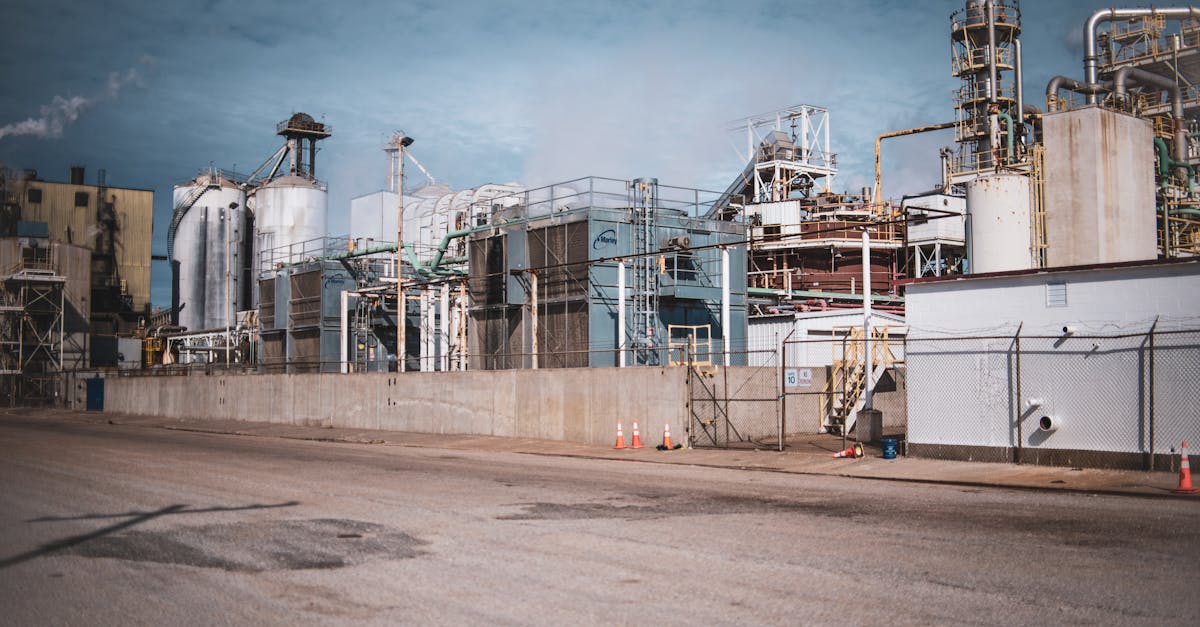
The chemical industry in the Middle East is facing increasing pressures due to the American-Israeli civil war against Iran, leading to a sharp rise in raw material prices. This situation coincides with a growing global inflation crisis, as recent events have caused an increase in oil and natural gas prices, directly impacting production costs.
Since the onset of the conflict a month ago, global markets have been significantly affected, with clashes leading to a near closure of the Strait of Hormuz, one of the most important waterways for transporting oil and gas. These developments have resulted in a sharp increase in the costs of chemicals, which heavily rely on petroleum derivatives.
Details of the Event
The chemical industry is considered a vital sector that plays a fundamental role in the global economy, as chemicals are used in many industries, including food, pharmaceuticals, and plastics. As the conflict escalates, raw material prices have risen unprecedentedly, leading to increased production costs.
Reports indicate that prices have risen by as much as 30% in some sectors, threatening to increase inflation in many countries. Additionally, manufacturers are facing difficulties in obtaining the necessary materials, which could lead to shortages of products in the markets.
Background & Context
Historically, the Middle East has been a center of political and economic conflicts, where international interests intertwine with local issues. The current conflict between the United States and Israel on one side and Iran on the other is not new, but it comes at a sensitive time when the global economy is suffering from the repercussions of the COVID-19 pandemic and its economic fallout.
Iran is one of the largest oil producers in the world, and any disruptions in its production or exports significantly impact global markets. Furthermore, the Strait of Hormuz is considered a vital artery for oil transport, through which about 20% of global oil supplies pass.
Impact & Consequences
Economic analyses confirm that rising chemical prices will lead to increased production costs across many industries, which may negatively affect consumers through higher prices. Small and medium-sized enterprises may face significant challenges in adapting to these conditions, potentially leading to the closure of some businesses.
Moreover, these conditions could exacerbate economic crises in countries that rely on importing chemicals, increasing pressure on governments to provide support and assistance.
Regional Significance
Arab countries are directly affected by these developments, as many nations rely on importing chemicals from global markets. Under these circumstances, Arab nations may face significant challenges in maintaining the stability of essential commodity prices, which could lead to exacerbated economic and social crises.
In conclusion, the current conflict in the Middle East is not merely a military struggle; it has profound economic implications that affect all aspects of life, necessitating urgent action from Arab countries to address these challenges.