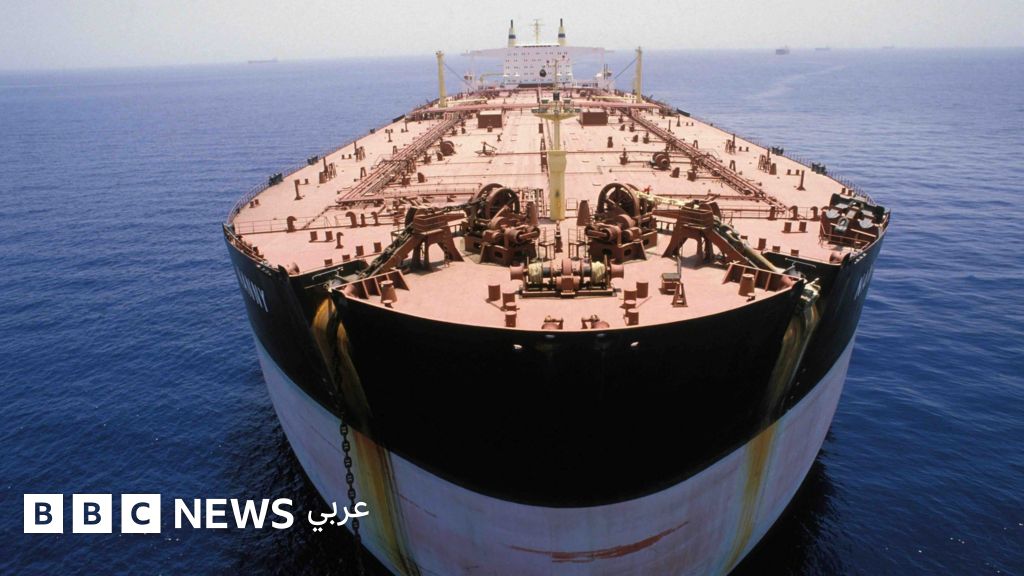
The closure of the Strait of Hormuz, one of the most important maritime corridors in the world, has had negative impacts on the prices of a wide range of goods, from food to pharmaceuticals and technological devices. This closure comes amid rising tensions between the United States and Israel on one side and Iran on the other, resulting in a significant drop in the number of ships transiting the strait from over 100 vessels daily to just a few.
Chemicals and petroleum products that pass through the Strait of Hormuz are essential for global economies, as many countries in the Gulf produce large quantities of these materials for export. Among these materials, agricultural fertilizers are vital for global agricultural production, with approximately one-third of the world's fertilizers, such as urea, potash, and ammonia, transiting through this strait.
Event Details
Reports indicate that fertilizer exports have sharply declined since the onset of the conflict, raising significant concerns about the impact on agricultural production, especially during the planting season in the Northern Hemisphere. Researchers have warned that a short-term closure of the strait could disrupt an entire agricultural season, potentially leading to long-lasting repercussions on food security even after the strait reopens.
Studies predict that a complete closure of the Strait of Hormuz could increase global wheat prices by up to 4.2% and raise the prices of fruits and vegetables by 5.2%. The countries most affected by rising food prices are expected to be Zambia, Sri Lanka, Taiwan, and Pakistan.
Background & Context
The Strait of Hormuz is considered a strategic transit point, with approximately 20% of the world's oil passing through it. Historically, the strait has witnessed numerous political crises and military conflicts that have affected global trade flows. In recent years, tensions between Iran and Western nations have increased, making the strait susceptible to military friction.
Many countries, including Arab nations, import large quantities of food and pharmaceuticals from countries that rely on exporting them through the Strait of Hormuz. Therefore, any disruption in this corridor will directly impact prices and supplies in local markets.
Impact & Consequences
Analyses suggest that the closure of the Strait of Hormuz could lead to rising prices for a wide range of goods, including pharmaceuticals and technology. Helium, which is considered a byproduct of natural gas production, is used in the manufacturing of electronic chips and medical devices such as MRI machines. Experts have warned that a helium shortage could lead to increased prices for these devices, affecting healthcare.
Moreover, sulfur, which is produced in large quantities in the Gulf region, is a key component in fertilizer production and mineral processes. If the supply of sulfur continues to be disrupted, prices for products that rely on batteries, such as electric vehicles and household appliances, are likely to rise.
Regional Significance
Arab countries are directly affected by the closure of the Strait of Hormuz, as many of these nations rely on importing essential goods from exporting countries through this corridor. Additionally, rising prices may exacerbate economic crises in some countries, increasing pressure on governments to provide basic needs for their citizens.
In conclusion, the current situation in the Strait of Hormuz illustrates how geopolitical conflicts can impact the global economy, highlighting the urgent need for diplomatic solutions to avoid exacerbating humanitarian and economic crises.