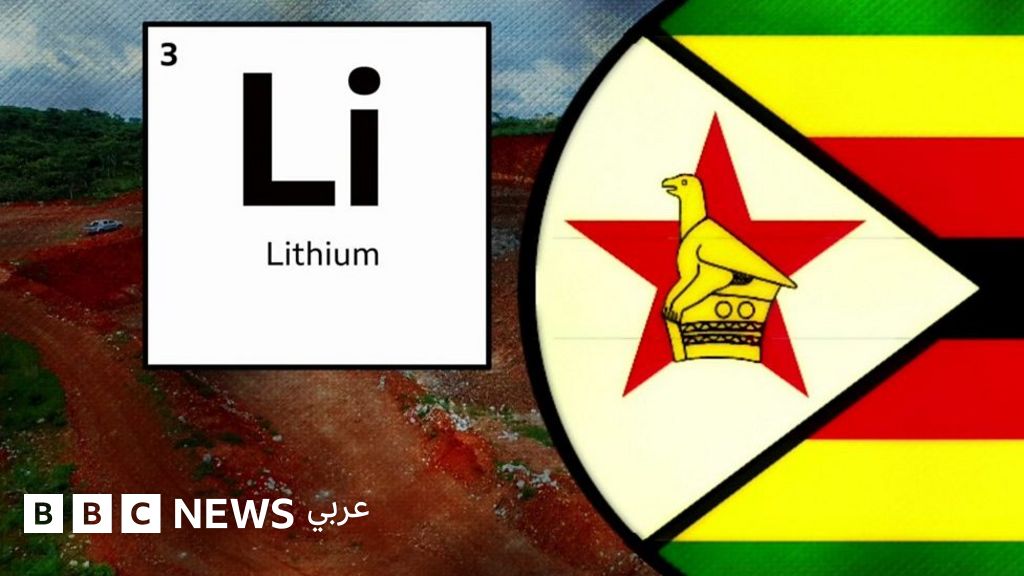
Reports indicate that Zimbabwe's key gold exports are facing increasing risks due to escalating conflict in the Middle East. This warning comes from business groups that fear negative impacts on the local economy. Zimbabwe is considered one of the leading gold producers in Africa, and this sector constitutes an important part of its national revenues.
Concerns are growing that rising tensions in the Middle East could affect global supply chains, potentially leading to fluctuations in gold prices. Economists have pointed out that any escalation in the conflict could hinder trade movements and increase shipping costs, negatively impacting Zimbabwe's gold exports.
Details of the Situation
Zimbabwe is one of the largest gold producers in Africa, with gold exports contributing significantly to the national economy. However, the escalating conflict in the Middle East, involving countries like Israel and Palestine, could create uncertainty in global markets. Representatives from business groups have indicated that any escalation in the conflict could lead to an increase in oil prices, which would in turn affect production and transportation costs.
Furthermore, political tensions could lead to a reduction in foreign investments in the gold sector, which is vital for supporting economic growth in Zimbabwe. Data has shown that gold exports account for approximately 60% of the country's total exports, making it vulnerable to any fluctuations in the global market.
Background & Context
Historically, Zimbabwe has experienced significant economic fluctuations, affected by international sanctions and political crises. In recent years, the government has begun taking steps to improve the business environment and attract investments, but the escalating conflict in the Middle East could reverse these efforts. Zimbabwe heavily relies on gold exports to generate the revenues necessary to support the local economy.
In recent years, gold prices have experienced significant volatility, influenced by various factors, including geopolitical crises and changes in supply and demand. With the escalation of conflict in the Middle East, experts expect gold prices to be affected even more, potentially leading to negative impacts on Zimbabwe's exports.
Impact & Consequences
Forecasts indicate that the escalation of conflict in the Middle East could lead to an increase in gold prices, creating a state of instability in the markets. Should tensions persist, this could reduce demand for gold from investors, negatively impacting Zimbabwe's exports. Additionally, any price fluctuations could lead to a reduction in government revenues, adversely affecting public services and social programs.
Moreover, any impact on gold exports could result in job losses in the sector, increasing unemployment rates in the country. Therefore, the government needs to take urgent measures to mitigate the effects of these tensions on the local economy.
Regional Significance
The Arab region is part of the global gold market, playing an important role in price determination. Any escalation in conflict in the Middle East could affect global gold prices, meaning that Arab countries relying on gold as a revenue source may face similar challenges. Additionally, Arab markets may be affected by price fluctuations, leading to increased production costs.
In conclusion, the current situation requires concerned countries to take proactive steps to address the challenges arising from the conflict in the Middle East. Zimbabwe and other countries that rely on gold exports must be prepared to face any fluctuations in the global market.