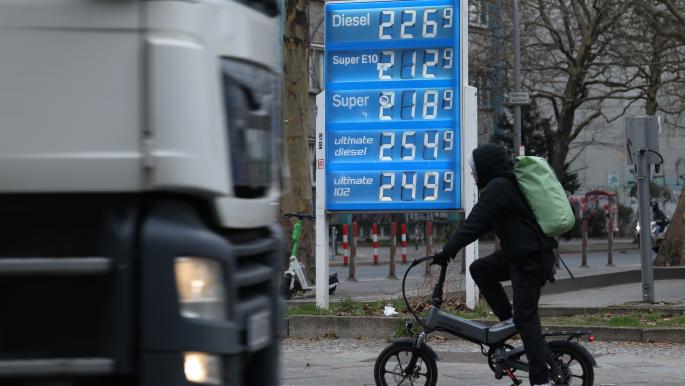
The sharp increase in diesel prices since the onset of the regional conflict has exacerbated the burdens on Germany's shipping sector, threatening to raise transport costs and inflation rates once again. This situation raises concerns for both consumers and businesses alike, as this price increase is expected to affect various aspects of daily life.
Reports indicate that diesel prices have risen significantly, putting additional pressure on transport and shipping companies. As operating costs increase, these companies may be forced to pass these hikes onto consumers, leading to higher prices for goods and services.
Details of the Situation
Data shows that diesel prices in Germany have increased by as much as 30% since the beginning of the conflict, reflecting the impact of geopolitical crises on global markets. This increase has not only affected the transport sector but also the prices of food and essential goods, threatening to raise inflation rates that had begun to stabilize.
As the German economy seeks to recover from the repercussions of the COVID-19 pandemic, this increase complicates the economic landscape further. Analysts expect that this rise in diesel prices will exacerbate inflationary pressures, potentially prompting the European Central Bank to take new measures to control inflation.
Background & Context
Germany is considered one of the largest economies in Europe, heavily relying on the transport and shipping sector. With rising energy prices, including diesel, this sector faces significant challenges. Historically, Germany has experienced similar crises in previous periods, but the impact of this crisis may be more severe due to current geopolitical changes.
This increase coincides with rising global oil prices, further complicating the situation. Oil prices have seen significant increases due to tensions in major production areas, directly affecting fuel prices in European markets.
Impact & Consequences
The increase in diesel prices is expected to have negative effects on the German economy. Small and medium-sized enterprises, which heavily rely on transport, may find it difficult to adapt to these increases, potentially leading to reduced profits or even the closure of some businesses.
Moreover, rising transport costs may lead to an increased cost of living, affecting consumers' purchasing power. This dynamic could lead to a decline in demand for goods and services, negatively impacting economic growth.
Regional Significance
The Arab region is also significantly affected by rising energy prices, as many countries rely on oil and gas exports. With rising diesel prices in Europe, fuel prices in Arab countries may also be impacted, increasing inflationary pressures in these nations.
Additionally, the economic impacts in Germany may affect trade with Arab countries, as any increase in transport costs could lead to higher prices for imported goods, affecting trade relations.
In light of these circumstances, governments and businesses in Germany and Arab countries must take proactive measures to mitigate the effects of rising diesel prices and work towards enhancing sustainability in the transport and shipping sector.