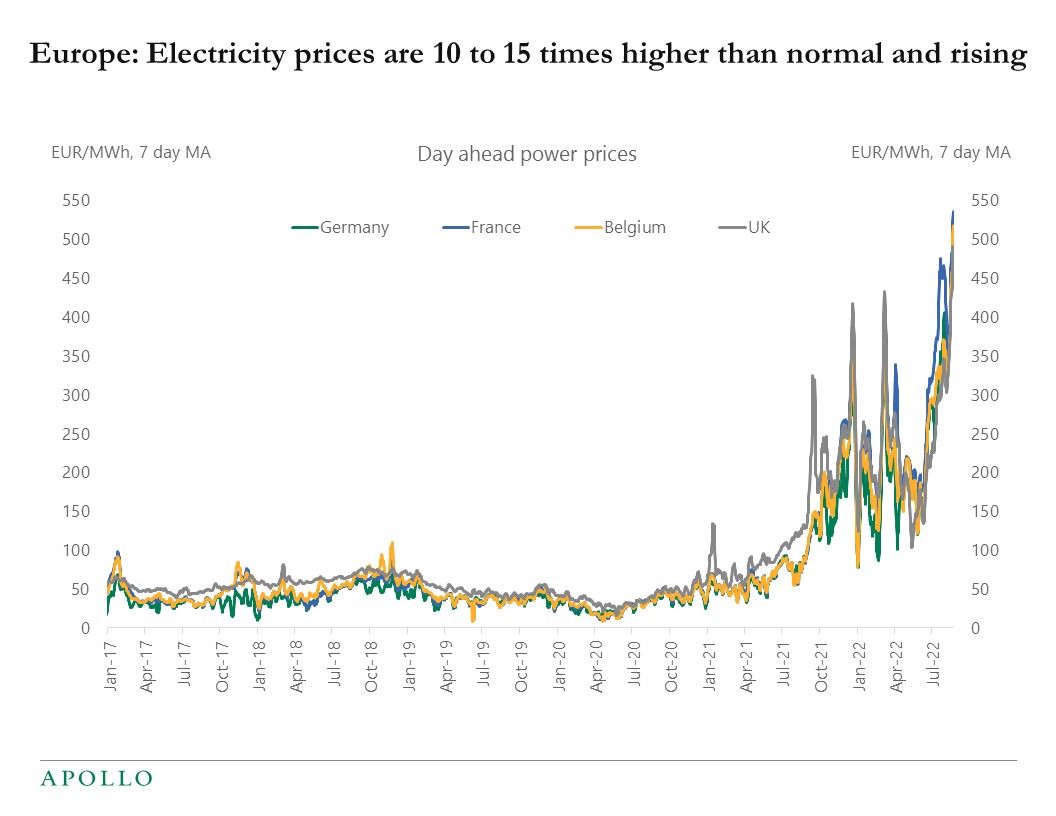
The crisis of diesel prices in Europe is escalating, transforming from mere fluctuations in the energy market into a real test of the resilience of economies. Many sectors, including transportation, industry, and heating, heavily depend on this vital fuel, intensifying fears about the repercussions of rising prices.
Reports indicate that diesel prices have seen significant increases in recent months, leading to higher transportation and production costs. This situation negatively affects consumers who are facing rising prices for goods and services, adding to the economic pressures on European households.
Details of the Event
Data shows that diesel prices have risen by more than 20% compared to last year, raising concerns among governments and businesses. Under these circumstances, European governments are seeking to implement measures to mitigate the effects of this increase on citizens and the economy as a whole.
These measures include providing financial support to affected households, as well as encouraging the use of alternative energy sources. However, the question remains regarding the effectiveness of these actions in addressing the current crisis.
Background & Context
The roots of the diesel price crisis can be traced to several factors, including the increase in global energy demand and geopolitical tensions affecting oil supplies. Additionally, shifts in European environmental policies aimed at reducing reliance on fossil fuels have contributed to the pressures on diesel prices.
Historically, Europe has experienced multiple energy crises, but this crisis comes at a sensitive time as countries strive to transition to more sustainable energy. This shift could have far-reaching effects on energy markets and fuel prices.
Impact & Consequences
The repercussions of rising diesel prices extend beyond the economy, affecting the daily lives of citizens. Increased transportation costs mean higher prices for essential goods, placing additional pressure on low-income households.
Moreover, this crisis could lead to a slowdown in economic growth in some European countries, raising concerns about economic stability in the region. If prices continue to rise, we may see negative impacts on investments and jobs.
Regional Significance
The Arab region is one of the largest oil producers in the world, and thus the rise in diesel prices in Europe could create new opportunities for producing countries. However, these countries must be cautious of the potential negative impacts on their economies, especially if prices continue to climb.
This crisis may lead to increased demand for Arab oil, which could help bolster local economies. However, these opportunities must be approached with caution to ensure sustainable growth.
In conclusion, the diesel price crisis in Europe represents a significant challenge for European economies and directly impacts citizens' lives. The current situation requires a swift and effective response from governments to ensure market stability and protect consumers.