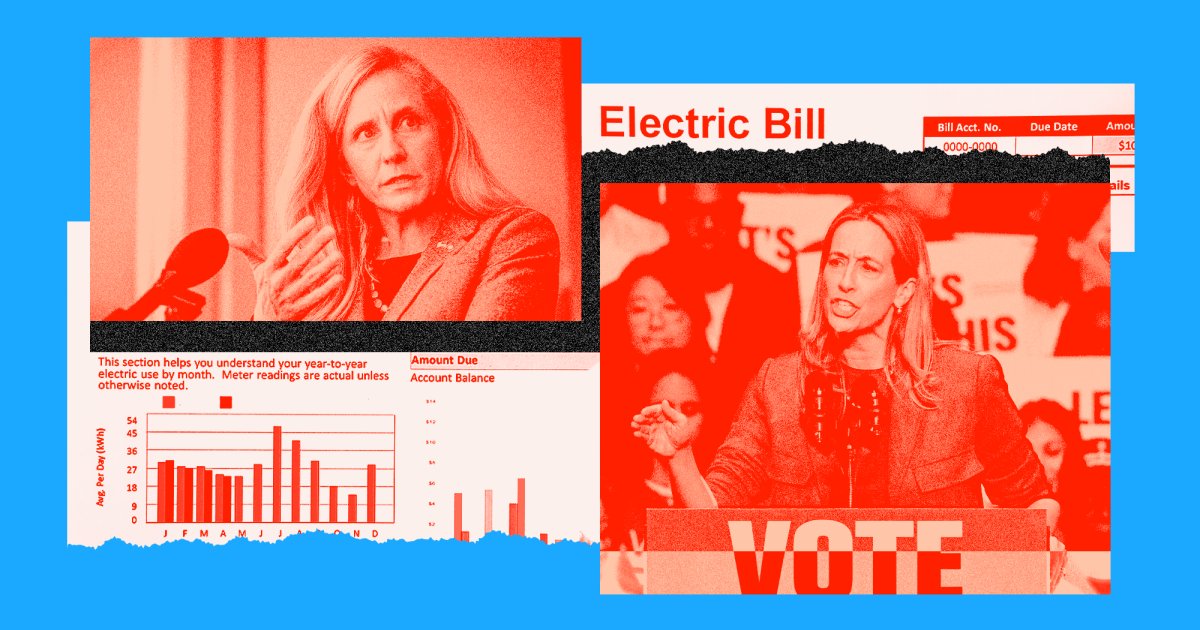
The low-voltage public utility elections in the United States are witnessing growing interest from voters, driven by a significant increase in electricity bills. This interest reflects citizens' desire to influence how energy services are managed, which directly impacts their daily lives.
These elections are taking place at a time when many families are facing financial challenges due to rising energy costs, prompting them to explore new options for enhancing electricity services. This situation underscores the importance of participating in local elections, where voters can influence decisions regarding electricity prices and the quality of services provided.
Details of the Elections
The low-voltage public utility elections are being held in several states, where candidates are competing for seats on the boards of these utilities. High voter turnout is expected, as voters aim to select candidates focused on improving energy efficiency and reducing costs.
The issues at stake in these elections include enhancing energy infrastructure, increasing reliance on renewable energy sources, and providing more transparent options for consumers. Voters are looking for candidates committed to delivering better services at affordable prices.
Background & Context
Historically, low-voltage public utility elections have been considered less significant compared to federal or other local elections. However, with the growing awareness of energy issues and their impact on daily life, citizens have begun to recognize the importance of these elections. In recent years, the United States has seen a rise in electricity costs, making these elections more crucial than ever.
These elections coincide with a global shift towards sustainable energy, as many countries seek to reduce dependence on fossil fuels and increase the use of renewable energy sources. This transition requires radical changes in how public utilities are managed, making the current elections a potential turning point.
Impact & Consequences
If voters can choose candidates who support innovation in the energy sector, it could lead to significant improvements in the quality of services provided and a reduction in costs. On the other hand, if the current situation persists, citizens may face further financial pressures due to rising energy costs.
These elections represent an opportunity for citizens to express their opinions on how energy is managed in their communities. They also provide candidates with a chance to present new ideas and innovative solutions to address current challenges.
Regional Significance
The outcomes of these elections could have far-reaching implications for local communities, influencing energy policies and service delivery. As voters become more engaged, the potential for transformative changes in public utility management increases.
Ultimately, these elections are not just about choosing representatives; they are about shaping the future of energy services in communities across the nation.