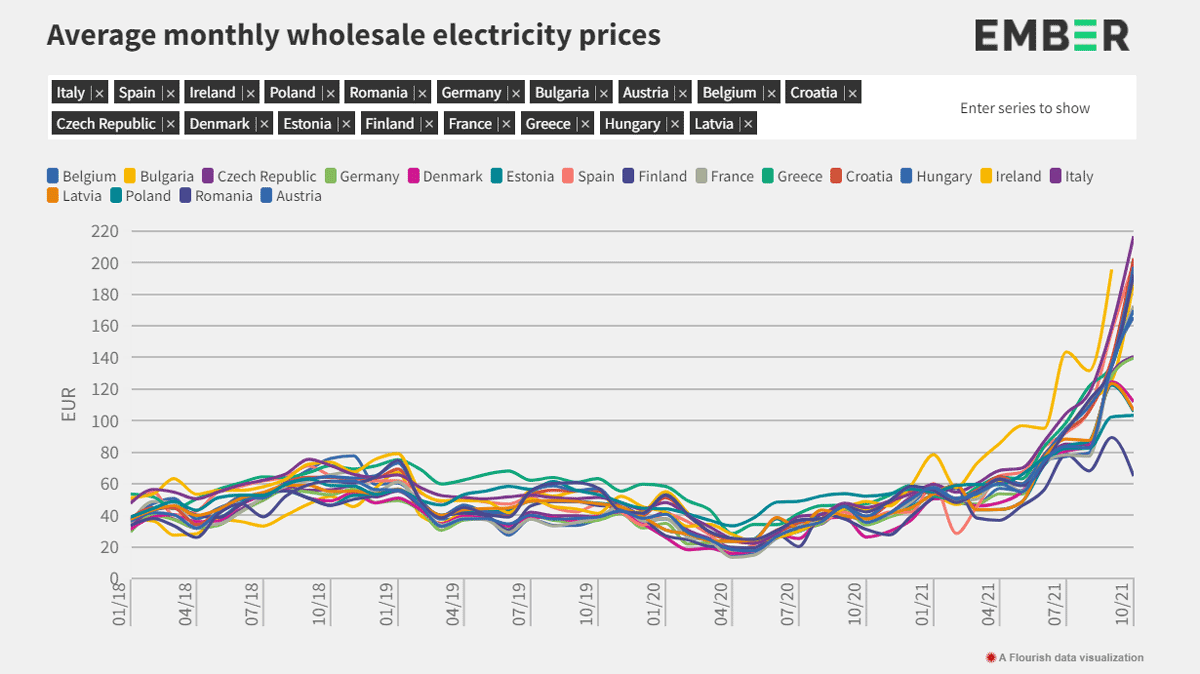
Despite the significant challenges facing Europe due to production disruptions and the closure of the Strait of Hormuz, major energy companies have not shown losses. The rise in prices has transformed the costs of conflicts into exceptional profits, reigniting the debate over energy policies on the continent.
Concerns are growing over the impacts of war and conflicts on energy markets; however, major companies such as Shell, Total, and ExxonMobil have reported record profits recently. These profits come at a time when oil and gas prices are escalating, raising questions about the sustainability of these price increases and their effects on consumers.
Event Details
In light of geopolitical crises, energy prices have seen a notable increase, with the price of a barrel of oil surpassing $100. This rise was not merely a result of supply and demand but was also driven by concerns over supply disruptions due to conflicts in key production areas.
Major energy companies have capitalized on these circumstances to enhance their profits, with recent financial reports showing significant revenue growth. For instance, Shell announced a 30% increase in its profits compared to last year, reflecting the companies' ability to adapt to changing conditions.
Background & Context
Historically, Europe has undergone significant transformations in the energy sector, especially following the oil crises of the 1970s. These crises led to radical changes in energy policies, prompting European countries to seek alternative energy sources and reduce reliance on oil and gas from conflict regions.
As geopolitical tensions escalate, it has become clear that Europe faces new challenges in securing energy supplies. This has led to increased investments in renewable energy, yet dependence on fossil fuels remains, making the continent vulnerable to global price fluctuations.
Impact & Consequences
The rise in energy prices has direct implications for the European economy. Increased energy costs affect all sectors, from industry to transportation, potentially leading to higher inflation. This situation may pressure European governments to take urgent action to protect consumers.
Moreover, these price increases could revive discussions around environmental policies, as countries may need to reassess their energy strategies to strike a balance between economic growth and environmental preservation.
Regional Significance
For the Arab region, rising energy prices present a significant opportunity for oil-producing countries. These nations could benefit from increased revenues, enhancing their capacity to implement developmental projects. However, geopolitical tensions could affect market stability, requiring Arab countries to take proactive steps to ensure sustainable growth.
In conclusion, the question remains as to how Europe will navigate these challenges amid rising prices. Will it succeed in balancing energy supply security with economic stability? This is what the coming days will reveal.