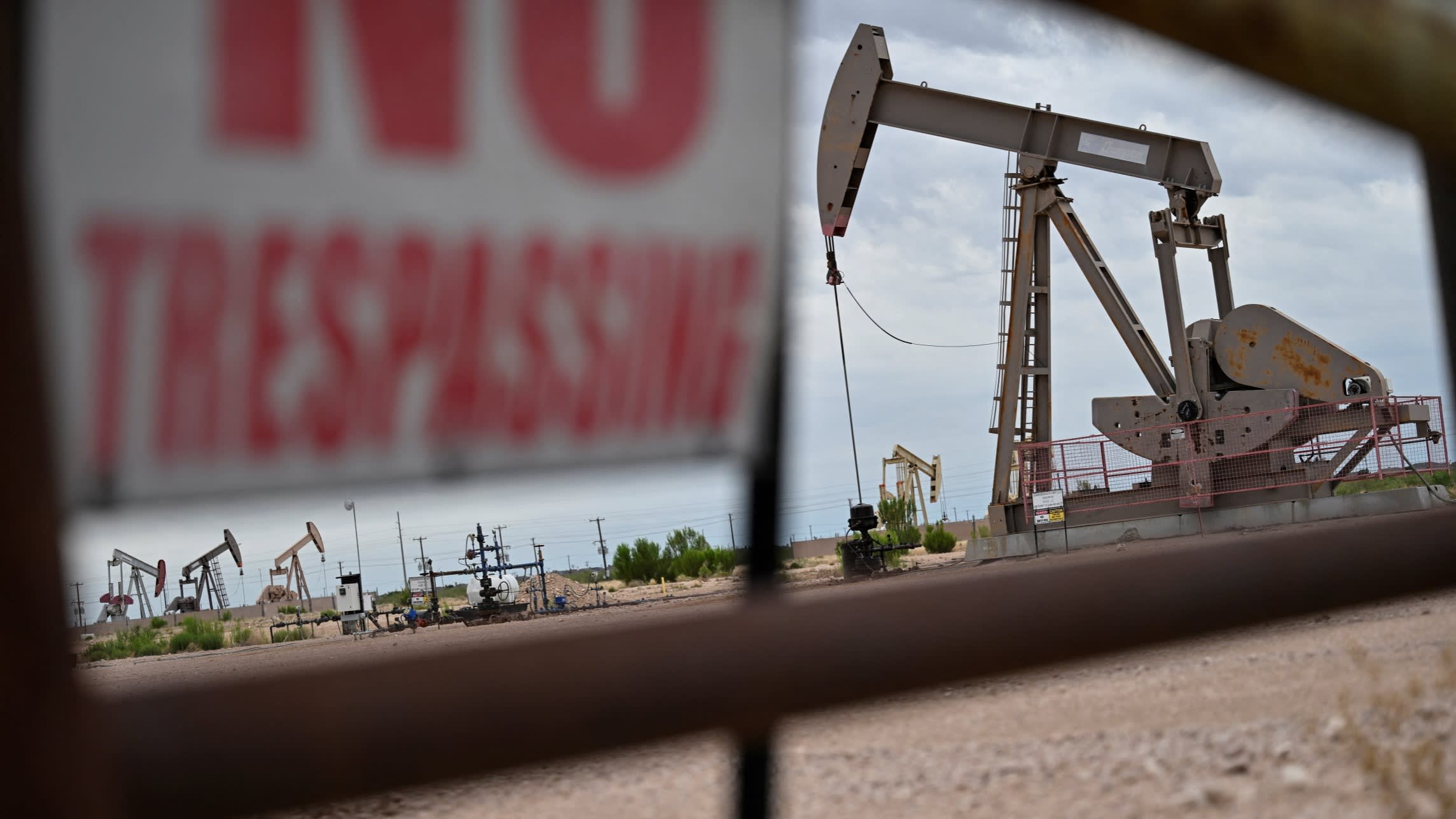
The United States is currently experiencing a paralysis in oil and gas deals due to the sharp rise in energy prices, making it difficult to assess transaction values. Prices have risen significantly, which has directly impacted investment and negotiation processes in this vital sector.
This challenge arises at a time when the world is grappling with energy price volatility, affecting both large and small economies. These price surges have made it difficult to evaluate deals, causing companies to hesitate in entering new agreements. In this context, several questions arise about how these conditions will impact the American market and how responsive it will be to global changes.
It is well known that the oil and gas market relies heavily on relative price stability to accurately assess deals. With the current increases, companies find themselves in a quandary, fearing the potential consequences of future price drops that could lead to significant losses. A sense of waiting and reluctance to sign contracts seems to hang over major companies in this field.
History has shown us how oil prices have been susceptible to changes due to various factors such as geopolitical conflicts, climate change, and rising demand from developing countries. In 1973, the October War led to a sharp increase in prices, negatively affecting the global economy, highlighting the need for long-term strategies to cope with such challenges.
The current energy crisis is not limited to the United States; it affects many global markets. Oil-producing countries in the Middle East, including Saudi Arabia and Iraq, are among the most impacted by these dynamics, as economic challenges are expected to increase due to rising import and export costs. This could have indirect effects on regional economies that heavily rely on oil revenues.
These conditions currently require a swift response from governments and companies to avoid potential harm. Some nations, such as those in the Gulf Cooperation Council, have increased investments in renewable energy projects to reduce reliance on oil. Meanwhile, international partners are seeking to diversify their energy sources to mitigate risks associated with sharp price fluctuations.
On the flip side, financial markets are facing increasing pressure due to oil price volatility, which directly affects stock and bond markets. Therefore, investors must exercise caution in making decisions during this challenging phase. Instability in energy prices could ignite rising living costs and lead to widespread public discontent.
Given this volatile reality, Arab governments must seriously consider how to meet their energy needs and conduct deep market analyses to mitigate the negative impact of rising prices. There should be support for research and development in alternative energy areas, which will see increased interest in the coming years.
On the other hand, consumers are the most affected by these conditions. Inflationary prices have begun to appear in energy bills, prompting them to reassess their personal budgets. Thus, the importance of developing innovative solutions to enhance energy consumption efficiency becomes clear.
In summary, the current situation calls for collective action between producing and consuming countries to address the challenges triggered by rapid fluctuations in energy prices. Cooperation and coordination ways must be considered to face potential consequences.
Ultimately, the price surge in the energy sector continues to paralyze many business operations, necessitating a deep understanding of the market and its mechanisms amid the current geopolitical and economic changes.