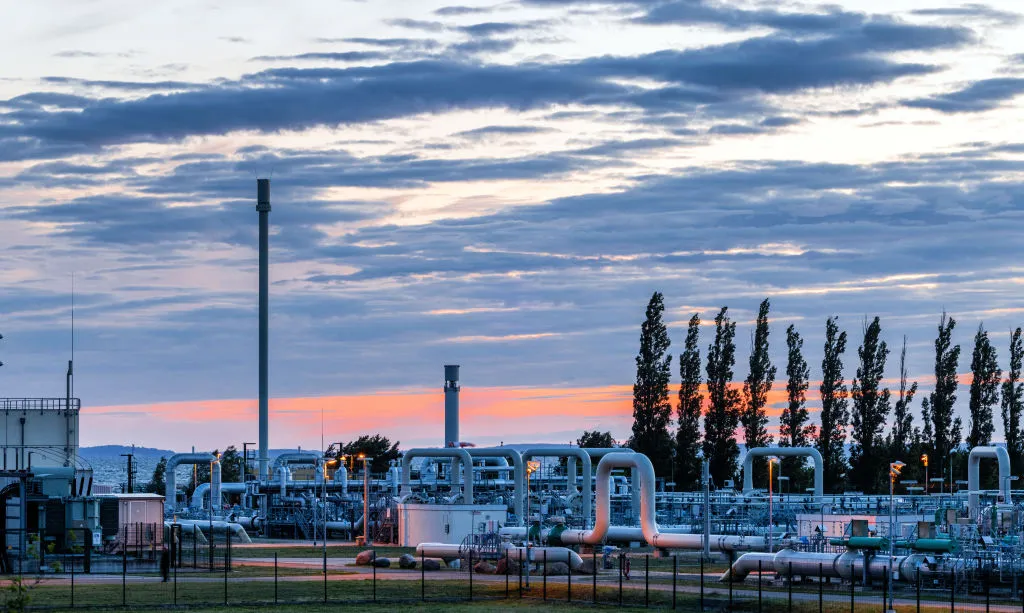
Amid soaring energy prices, German citizens are facing increasing pressure, as the far-right party, Alternative for Germany, has seized this crisis to reintroduce the idea of resuming imports of gas and oil from Russia. This move comes at a sensitive time, as geopolitical tensions are escalating due to the ongoing conflict in Iran, complicating the political and economic landscape in Europe.
This call from the far-right party is seen as an attempt to exploit public anxiety over energy costs, with the belief that returning to Russian energy sources could alleviate financial pressures on households and businesses. However, these demands have sparked discontent among Germany's major parties, which view this step as a potential threat to European security.
Details of the Event
In recent months, energy prices in Germany have seen a significant increase, prompting many Germans to seek alternative solutions. In this context, the Alternative for Germany has revived the idea of importing Russian gas and oil, suggesting that this could help ease the financial burdens on citizens. This proposal comes at a time when fuel prices are rising at an unprecedented rate, impacting people's daily lives.
While the party promotes the idea of resuming trade relations with Russia, major parties such as the Social Democratic Party and the Christian Democratic Union have emphasized that this step would pose a threat to European security, especially under the current circumstances marked by rising geopolitical tensions.
Background & Context
Historically, Germany has heavily relied on Russian gas and oil, with these resources forming a crucial part of the country’s energy mix. However, geopolitical disputes, including the war in Ukraine, have led to a reassessment of these relationships. Following sanctions imposed on Russia, Germany began seeking alternative energy sources, increasing pressure on the German economy.
In recent years, there have been increasing efforts by the German government to transition to renewable energy sources, but the current challenges related to energy prices have made these efforts face difficulties. As prices continue to rise, it has become evident that the government needs to find effective solutions to address this crisis.
Impact & Consequences
If the Alternative for Germany continues to push this agenda, it could lead to a greater division in the German political landscape. Major parties may face challenges in maintaining voter support among those concerned about rising prices. At the same time, this could increase the popularity of the far-right party, bolstering its position in parliament.
Moreover, resuming trade relations with Russia could have negative repercussions on European relations, as other countries in the European Union may view this move as conflicting with efforts to enhance security and stability in the region. Consequently, this could exacerbate tensions between European nations.
Regional Significance
The developments in Germany are particularly significant for the Arab region, as rising energy prices in Europe could impact global oil prices. If pressures on energy prices continue, this could lead to increased prices in Arab markets, affecting the economies of oil-producing countries.
Furthermore, the geopolitical tensions in Europe may influence stability in the Arab region, as any escalation in conflicts could lead to unforeseen consequences for regional security.
In conclusion, the energy crisis in Germany is not merely an economic issue but also a complex political matter that requires comprehensive solutions. While the Alternative for Germany seeks to exploit the situation to its advantage, major parties face significant challenges in maintaining the stability and security of the country.