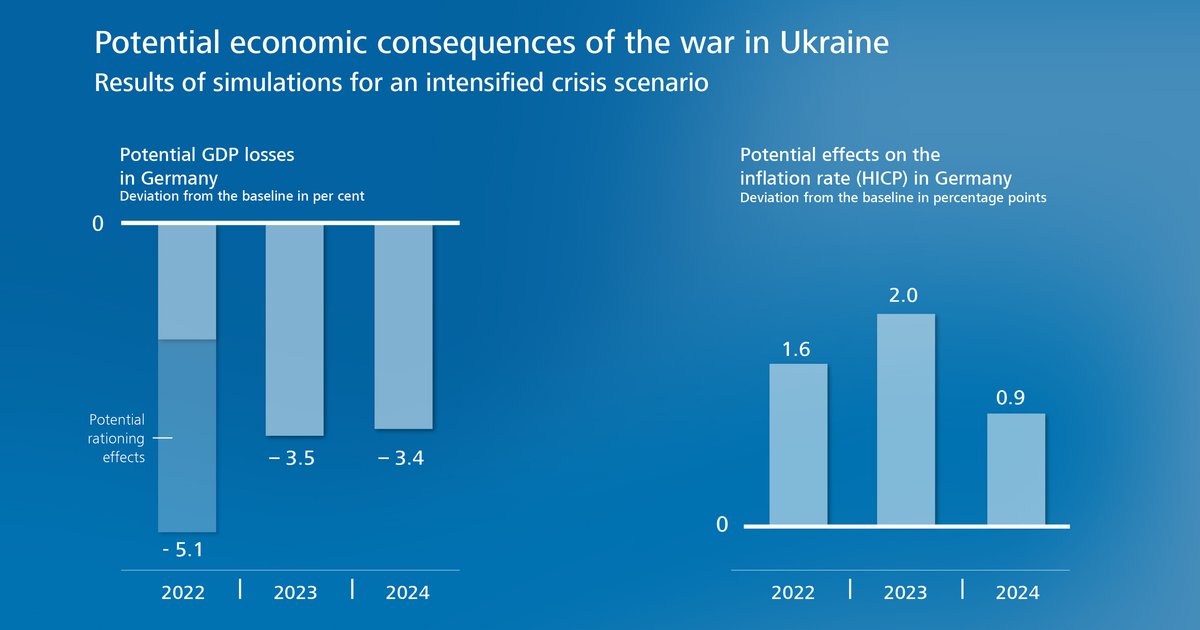
Germany is experiencing a growing economic crisis as a result of the repercussions of the Iran war, where significant increases in energy prices are hindering the expected growth of the economy. These conditions raise concerns among experts who are monitoring negative impacts on the country's infrastructure development plans.
Reports indicate that the ongoing rise in energy prices, exacerbated by regional conflicts, is causing severe damage to the German economy. The German economy was expected to witness a recovery after a period of recession; however, current conditions are obstructing this recovery and increasing inflationary pressures.
Event Details
Energy prices in Germany are reaching record levels, negatively impacting production costs and affecting the competitiveness of local industries. Additionally, disruptions in supply chains due to geopolitical conflicts are heightening inflation risks, weakening consumers' purchasing power.
In this context, many economists have pointed out that the continuation of these conditions could lead to a slowdown in economic growth, which may reflect on the labor market and result in increased unemployment rates.
Background & Context
Historically, Germany has been significantly affected by geopolitical crises, being one of the largest economies in Europe. The country has faced multiple challenges in recent years, ranging from the refugee crisis to the repercussions of the COVID-19 pandemic. With escalating tensions in the Middle East, the Iran war emerges as an additional factor complicating economic conditions.
Iran is one of the main oil-exporting countries, and any disruptions in its production or exports directly affect global markets, including the European market. Therefore, any escalation in the conflict could lead to further increases in energy prices.
Impact & Consequences
Economic reports predict that the current conditions will exacerbate inflation in Germany, potentially forcing the government to take stringent measures to mitigate the effects of this crisis. Investments in infrastructure may be affected, hindering sustainable development plans.
Moreover, these conditions could lead to a decline in consumer confidence, negatively impacting domestic spending and increasing pressures on the economy. Under these circumstances, the German government must consider new strategies to adapt to rapid changes in the global market.
Regional Significance
The repercussions of the Iran war on the German economy are particularly significant for the Arab region, as many Arab countries rely on importing energy from global markets. Consequently, any rise in energy prices could impact the budgets of Arab nations and increase economic pressures.
Additionally, the tense situation in the Middle East may exacerbate humanitarian and economic crises in the region, necessitating a response from the international community to ensure stability.
In conclusion, the repercussions of the Iran war on the German economy remain a complex issue that requires careful monitoring, as its effects may extend beyond Germany's borders to impact the global economy.