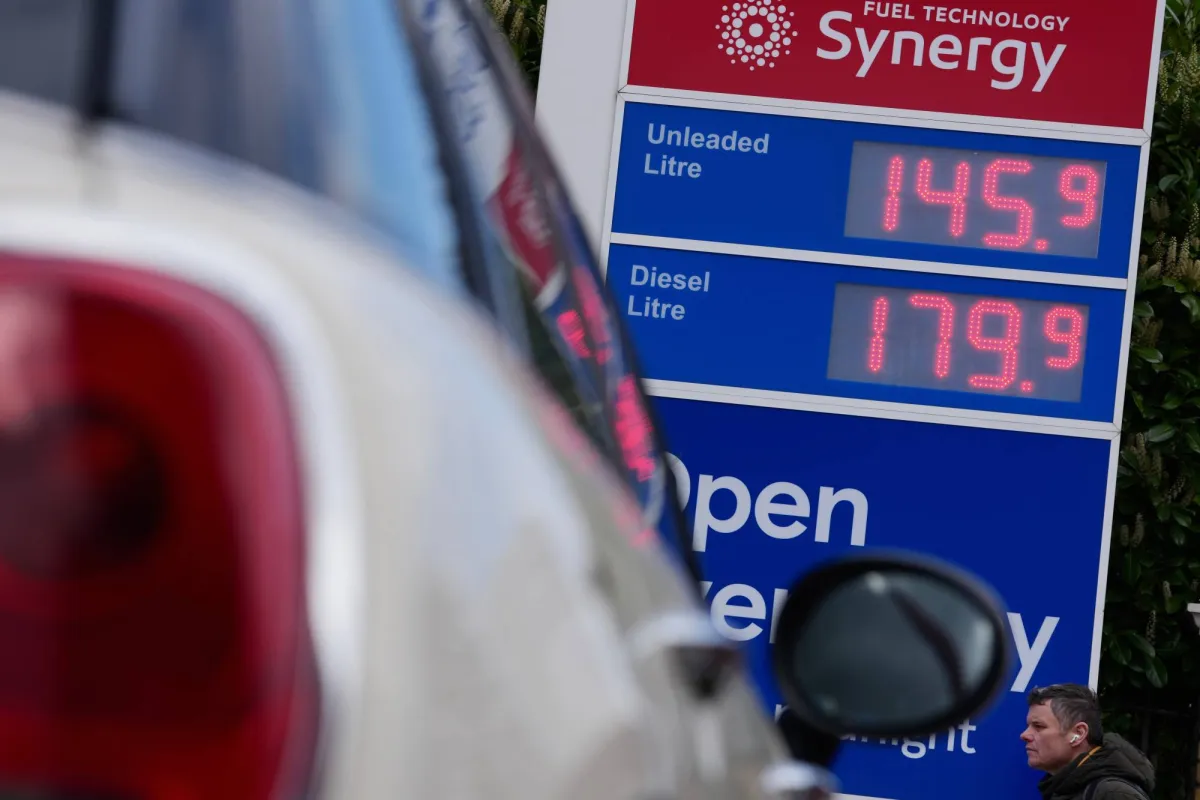
The sharp increases in energy prices, resulting from Iran's closure of the Strait of Hormuz in response to U.S.-Israeli attacks, have prompted urgent action from the G7 countries and the European Union. Finance and energy ministers from the G7, which includes the United States, Canada, Japan, the United Kingdom, France, Germany, and Italy, held a conference call on Monday to coordinate necessary actions to alleviate the repercussions of this crisis on their economies.
Meanwhile, EU energy ministers are convening to discuss ways to tackle these challenges. Governments are facing tough choices, as rising energy costs lead to increased inflation and slow economic growth. However, using public finances to reduce these costs could strain budgets and distort market price signals that typically lead to decreased demand.
Details of the Response
The G7 has announced a series of measures to address this crisis. The United States will contribute 172 million barrels of oil, while Canada will release 23.6 million barrels. On another front, British Prime Minister Keir Starmer stated that the government is considering expanding the powers of the Competition and Markets Authority to combat price manipulation following the significant rise in oil and fuel prices.
In Japan, Finance Minister Satsuki Katayama confirmed the government's readiness to take all necessary measures, although she did not directly comment on the possibility of Japan intervening in the crude oil futures market. In Iraq, the Director General of the State Oil Marketing Company (SOMO) announced the resumption of oil exports from the Kirkuk fields via the Iraqi-Turkish pipeline to the port of Ceyhan, in addition to studying offers from shipping companies to transport oil through southern border outlets.
Background & Context
These moves come amid escalating geopolitical tensions in the region, where an ambitious Syrian economic vision intersects with the Saudi Vision 2030 objectives. The initiative known as (4+1) aims to establish a high-speed rail network and revive historical oil pipelines, seeking to transform the geography of Syria and Saudi Arabia into a global logistics platform connecting three continents.
This initiative aims to secure the flow of about 7 million barrels of oil daily away from Iranian threats and ensure the stability of global food and energy markets. The proposed projects also aim to break the cycle of geopolitical blackmail associated with the Strait of Hormuz by creating safe and stable land corridors.
Impact & Consequences
The sharp rise in energy prices directly affects the global economy, with growing concerns about negative impacts on inflation and economic growth. French Finance Minister Roland Lescure stated that the G7 is monitoring developments and exchanging diagnostics, particularly regarding potential disruptions.
The French government has announced a allocation of 70 million euros to support the fishing, agriculture, and transport sectors, reflecting the importance of swift action to address this crisis. These events highlight the need for new strategies to ensure the stability of global energy markets and reduce reliance on maritime routes.
Regional Significance
Arab countries are seeking to enhance economic cooperation and develop strategic projects aimed at improving energy security. Initiatives like (4+1) reflect a new vision for Arab cooperation, which could contribute to enhancing economic stability in the region.
In light of these challenges, it becomes essential for Arab nations to adopt innovative strategies to bolster energy security and mitigate the negative impacts of geopolitical crises. The success of these projects could contribute to reshaping the Arab economy and enhancing the region's position on the global stage.