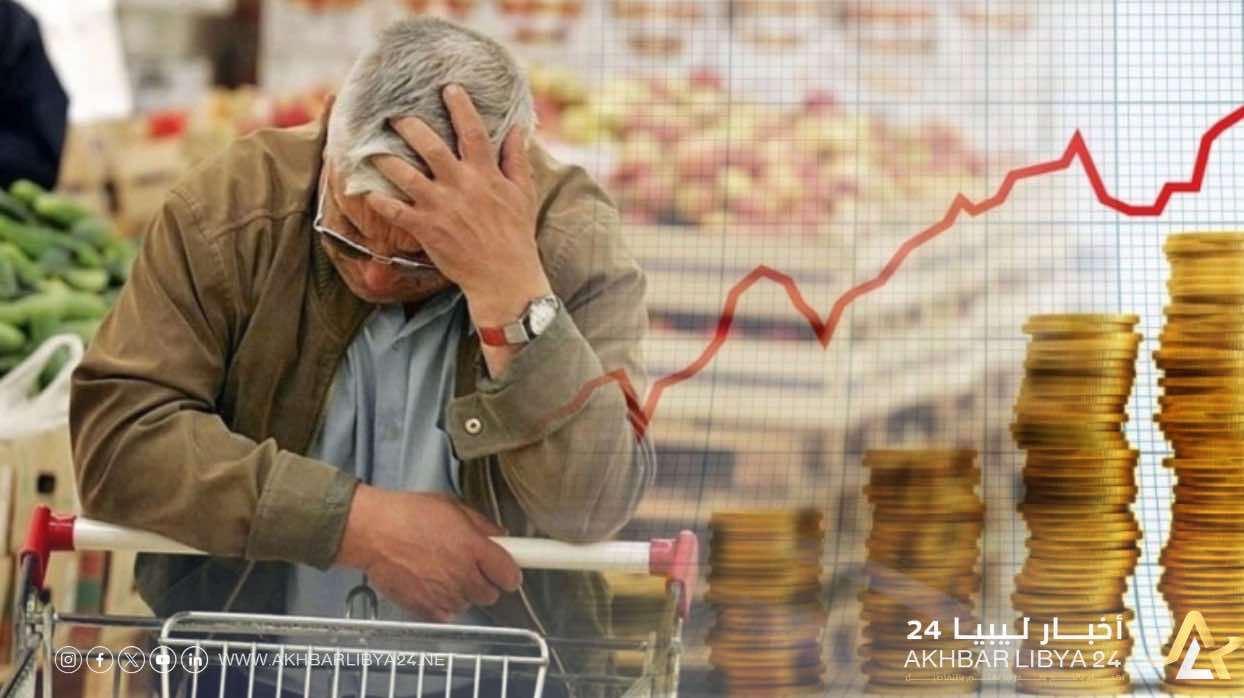
Recent reports indicate that rising gas and oil prices threaten the stability of the global food supply chain, from farmers to consumers. These conditions may once again raise issues regarding the reopening of trade negotiations, which recently concluded, raising fears of a return to inflation witnessed in markets during the 2022 crisis.
Pressure on the food sector is increasing due to the sharp rise in energy prices, affecting production, transportation, and distribution costs. Experts predict that these pressures will intensify as winter approaches, potentially exacerbating economic conditions in many countries, especially those heavily reliant on food imports.
Details of the Situation
Global markets are facing significant challenges due to the ongoing rise in gas and oil prices, which have reached new record levels. This increase directly impacts agricultural production costs, negatively affecting food prices. Studies have shown that the cost of food production has risen by as much as 30% in some regions, threatening families' ability to secure their basic needs.
Under these circumstances, governments may need to reconsider their trade policies, as issues related to trade negotiations are expected to resurface, similar to what occurred during the Ukraine war crisis. These negotiations may involve reassessing tariffs and trade restrictions, which could impact the flow of food goods across borders.
Background & Context
Historically, the food sector has faced numerous crises due to fluctuations in energy prices. In 2022, the war in Ukraine led to a sharp increase in grain and oil prices, affecting food security in many countries. These past crises highlight the importance of stable energy prices and their direct impact on global food security.
Climate change also plays a significant role in this context, affecting crop production and water availability. Therefore, any rise in energy prices could exacerbate conditions in regions already suffering from resource shortages.
Impact & Consequences
These crises are expected to increase pressures on governments to take urgent action to protect consumers. Such measures may include price supports or direct assistance to low-income households. However, these policies can be costly and impact public budgets, raising questions about their long-term sustainability.
Moreover, rising food prices may lead to social unrest, with protests potentially erupting in some countries due to increasing living costs. These disturbances could affect political stability in certain areas, complicating economic conditions further.
Regional Significance
In the Arab region, food prices are a sensitive issue, as many countries rely on food imports. Rising energy prices could lead to increased import costs, negatively impacting food security in countries already facing economic crises.
While oil-producing Arab countries may benefit from rising prices, this does not exempt them from the negative impacts on food prices. Thus, the challenges facing the food sector require international and regional coordination to mitigate their effects.
In conclusion, the food sector remains under significant pressure due to rising energy prices, necessitating a swift response from governments and stakeholders to ensure market stability and protect consumers.