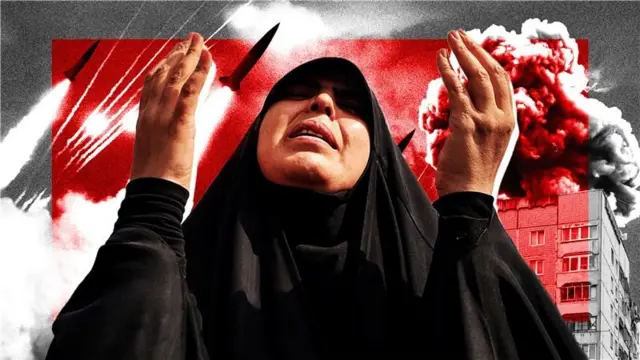
Global concerns are escalating over the potential for the ongoing conflict, which has lasted over a month, to escalate into a Third World War. This situation reflects anxieties regarding the implications of the conflict on international peace and security.
Since the onset of the conflict, the international arena has witnessed an increase in hostile statements among major powers, raising alarms among many observers about the possibility of slipping into a comprehensive conflict. Recent events have shown that the world may be on the brink of a new crisis that could lead to severe consequences on political, economic, and social levels.
Details of the Conflict
The conflict began in a specific region over a month ago, with clashes erupting between the disputing parties. As the intensity of the conflict has escalated, major powers have begun to express their positions more clearly, further heightening tensions. Reports have indicated an increase in military movements in neighboring areas, raising fears of a broader military intervention.
In this context, some countries have emphasized the need to reach a peaceful resolution, while others have taken more hardline stances, complicating the situation further. Many observers feel that these dynamics could lead to an uncalculated escalation.
Background & Context
Historically, the world has witnessed several conflicts that led to world wars, with tensions among major powers always being a significant factor in the outbreak of crises. Previous conflicts, such as World War I and II, began in similar contexts of regional and international tensions. With the rise of globalization, the world has become more interconnected, meaning that any conflict could extend its impact to other regions.
In recent years, we have also seen an increase in regional disputes, reflecting instability in certain areas. These conflicts, alongside tensions among major powers, contribute to creating an unstable environment that could lead to greater escalation.
Impact & Consequences
If the conflict continues to escalate, it could have serious implications for international security. This may lead to increased military spending and heightened tensions among countries, threatening global stability. Additionally, any escalation could significantly impact the global economy, as financial markets could be heavily affected by uncertainty.
Moreover, these conditions could lead to a flow of refugees from conflict-affected areas, increasing pressure on neighboring countries and creating new humanitarian challenges. These dynamics could exacerbate humanitarian crises in the region.
Regional Significance
For the Arab region, any escalation in global conflict could have direct effects. Arab countries may find themselves in a difficult position, needing to take clear stances regarding the conflict, which could affect their relationships with major powers. Additionally, the humanitarian crises resulting from the conflicts may require urgent responses from Arab nations.
At the same time, the tense situations could lead to increased cooperation among Arab countries to face common challenges, potentially contributing to strengthening Arab solidarity in the face of crises.
In conclusion, the question remains: Are we on the brink of a Third World War, or are the fears exaggerated? Amid rising tensions, there is hope that the international community can find peaceful solutions before situations spiral out of control.