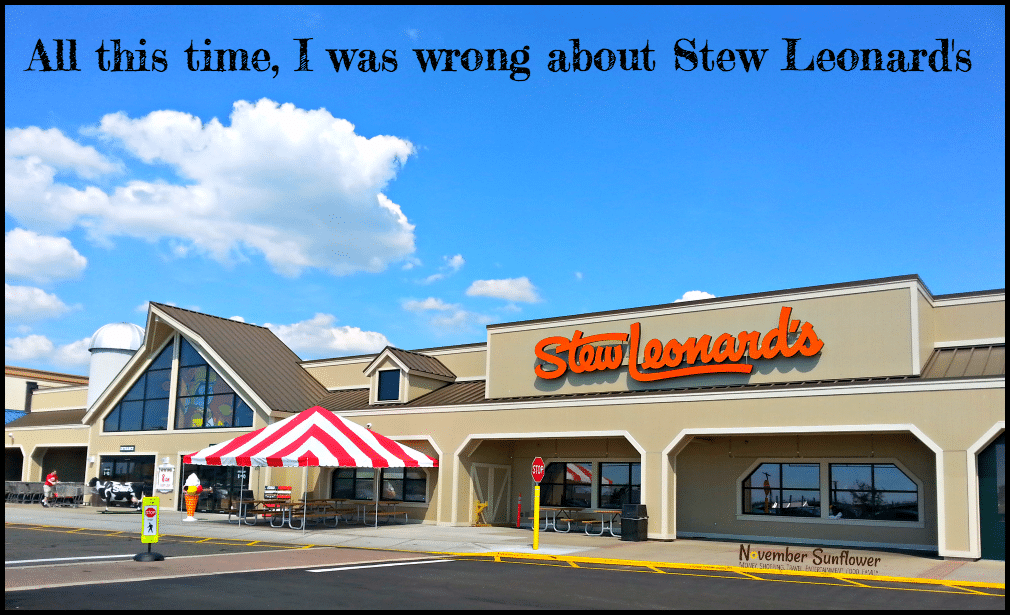
Stew Leonard Jr., CEO of Stew Leonard's, has reported that store owners in the United States are facing increasing pressures due to rising food and fuel costs. He emphasized that these conditions make it difficult to maintain profit margins, placing them in a precarious position between their desire not to pass on additional burdens to consumers and the necessity of covering escalating costs.
In his remarks, Leonard described the situation in the food industry as "crazy" and "wild," reflecting a state of market instability. He noted that many store owners are concerned about the impact of rising prices on consumer behavior, as this could lead to a decline in sales.
Details of the Situation
Reports indicate that food prices have seen a significant increase in recent months, affecting American household budgets. Data has shown that food prices have risen by as much as 10% compared to last year, marking the highest rate of increase in several years. This price surge comes amid rising shipping and transportation costs, along with increasing fuel prices, further complicating the challenges faced by stores.
Leonard asserts that store owners are striving to keep prices affordable for consumers, but the current economic conditions make this increasingly difficult. He pointed out that some stores may have to raise prices in the future if these trends continue, which could lead to negative repercussions for the market as a whole.
Background & Context
Historically, the food industry has faced multiple challenges, ranging from economic crises to natural disasters. However, the current price increase is seen as a direct result of a confluence of factors, including the COVID-19 pandemic, which disrupted supply chains. Additionally, geopolitical conflicts, such as the war in Ukraine, have also impacted grain and essential food prices.
In recent years, it has become evident that climate change is affecting agricultural production, leading to further price instability. As demand for food continues to rise amid population growth, the challenges facing the food industry may persist into the future.
Impact & Consequences
The rise in food prices can have widespread repercussions on the economy. When prices increase, consumers may reduce their spending on non-essential goods, impacting sales in other sectors. Moreover, rising prices can lead to increased inflation rates, placing additional pressure on the U.S. economy.
Furthermore, these conditions may widen the gap between social classes, as low-income families will be the most affected by rising prices. This could exacerbate issues of poverty and inequality within society.
Regional Significance
The Arab region is also susceptible to the effects of rising food prices, as many Arab countries rely on imports to meet their food needs. Therefore, any increase in global prices will directly impact local markets.
In light of these circumstances, Arab governments may need to implement measures to mitigate the effects of rising prices, such as subsidizing food or enhancing local production. Strengthening regional cooperation in food security may also become essential to address future challenges.
The current situation in the food industry reflects significant challenges facing global markets, and all stakeholders must work together to find sustainable solutions to ensure price stability and meet consumer needs.