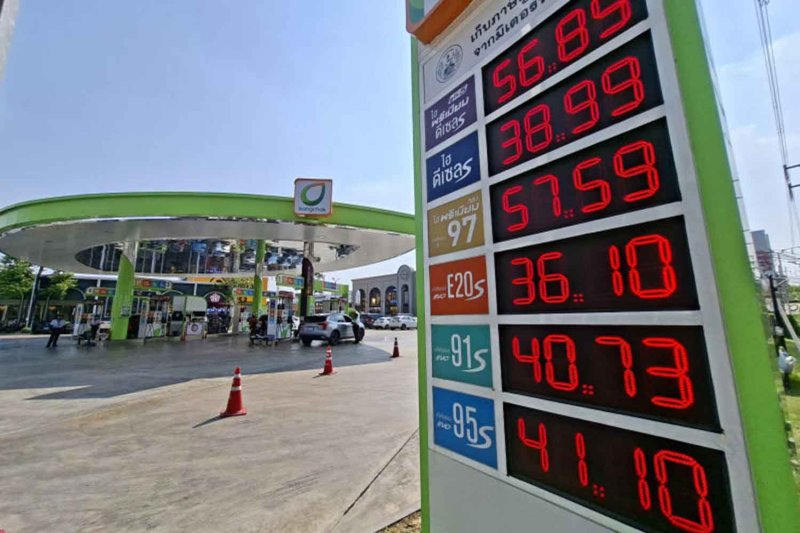
The sudden spike in fuel prices, announced at 9 PM last Wednesday, has raised widespread concern among energy experts. They warned that this sharp increase could exacerbate the living conditions of citizens and open the door for exploitation by some traders. These experts have called on the government to take urgent reform measures to address this crisis.
In this context, energy professor Anusorn Tamajai, a member of the People's Party, emphasized that a gradual adjustment of fuel prices in line with global prices would have been more appropriate. He pointed out that the sudden increase in gasoline and diesel prices would not contribute to reducing fuel smuggling to neighboring countries, as the price gaps remain significant due to the support provided by the fuel fund.
Details of the Event
This increase in fuel prices comes at a sensitive time, as many citizens are suffering from economic pressures. Tamajai warned that a weak government response could lead to a slowdown in economic growth, potentially causing severe shortages of essential goods during the second quarter of the year, especially products related to oil such as plastic pellets, fertilizers, construction materials, and medicines.
He also questioned the effectiveness of government measures to assist citizens, such as price reduction programs, noting that they may only alleviate pressure temporarily and in limited areas. He stressed that these programs do not address the root causes of the problem and may create hidden costs in logistics and energy use.
Background & Context
Historically, fuel prices in Thailand have experienced significant fluctuations, with the government relying on the fuel fund to alleviate burdens on citizens. However, it appears that this fund has been largely depleted, leading to the recent sudden increase. Energy policy researcher Areeporn Asawinbongvan indicated that raising prices by 6-8 baht per liter reflects mismanagement, as the government should have adjusted prices gradually instead of keeping them low for an extended period.
Areeporn also confirmed that the fuel fund has been used for purposes beyond its intended use for a long time and should have been preserved for critical times like the current situation. She noted uncertainty about whether fuel prices reflect the true market price or still depend on the fuel fund.
Impact & Consequences
This increase in fuel prices serves as a wake-up call for the government, as a swift and effective response may be necessary to avoid worsening conditions. Experts have warned that continued reliance on the fuel fund could lead to further price increases in the future, which would increase the suffering of citizens.
Moreover, the rise in fuel prices may affect the prices of other goods, potentially leading to greater inflation in the economy. This crisis may require radical reforms in the country's energy system, including enhancing competition and transitioning to cheaper renewable energy sources.
Regional Significance
This fuel price crisis in Thailand exemplifies the challenges faced by many countries in the Middle East and North Africa, where numerous nations are grappling with rising fuel prices and their impact on the local economy. Such crises can exacerbate living conditions, necessitating effective government responses.
In conclusion, governments worldwide, including those in the Arab states, must take these lessons into account and work on developing effective strategies to address future economic crises.