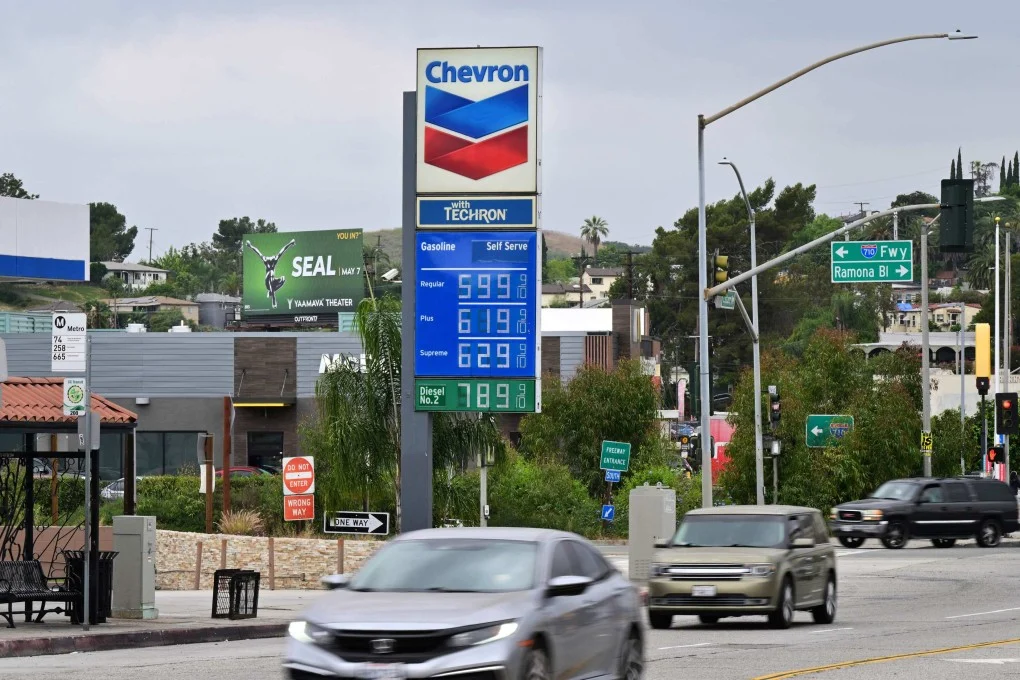
Economic pressures are mounting on American families due to the sharp rise in fuel prices, attributed to escalating tensions between the United States and Iran. At a gas station in the suburbs of Washington, drivers were shocked by the high prices, with an 83-year-old woman named Jan Williams expressing her deep dissatisfaction after driving 160 kilometers from Richmond, Virginia, to visit her sister. She stated, "This is outrageous; I did not expect these prices."
The impact of the war with Iran is becoming increasingly evident in the lives of American citizens, as family budgets are strained by rising fuel costs. Williams conveyed feelings of confusion and bewilderment, saying, "I am not angry; I feel astonished and confused."
Details of the Event
As geopolitical tensions rise, Americans are facing new challenges in their daily lives. Fuel prices have significantly increased, affecting citizens' purchasing power. Reports indicate that gasoline prices in some areas have surpassed $4 per gallon, adding to the pressures on families already struggling with high living costs.
This price surge comes at a sensitive time, as many Americans are trying to adapt to economic changes resulting from external conflicts. Economists have pointed out that this increase could exacerbate the economic situation in the country, especially with the holiday season approaching.
Background & Context
Historically, relations between the United States and Iran have been tense, with the past decades witnessing numerous political and military crises. Since the Islamic Revolution in 1979, relations between the two countries have deteriorated, leading to economic sanctions against Iran. These tensions have significantly escalated in recent years, impacting the stability of global oil markets.
Iran is considered one of the largest oil producers in the world, and any escalation in conflict can greatly affect global oil prices. Markets have already experienced significant volatility due to these tensions, leading to rising prices at gas stations across the United States.
Impact & Consequences
The rise in fuel prices is a key factor affecting the American economy. With increased transportation costs, prices for other goods and services are expected to rise, further increasing pressures on families. Some analysts have indicated that this increase may lead to a decline in consumer spending, which is a major driver of the American economy.
There are also concerns that the continuation of these tensions could worsen economic conditions, potentially affecting job opportunities and economic growth in the country. Some experts have warned that these conditions could lead to an economic recession if not addressed effectively.
Regional Significance
The Arab region is directly affected by the tensions between the United States and Iran, as Iran is a key player in many regional conflicts. Any escalation in the conflict could heighten tensions in the region, impacting the stability of neighboring countries.
Moreover, rising oil prices resulting from these tensions could affect the economies of oil-producing Arab countries, potentially leading to increased revenues or exacerbating economic crises in some nations.
In conclusion, it is evident that the conflict between the United States and Iran has far-reaching implications, affecting the American economy and directly reflecting on the Arab region. As these tensions continue, citizens are left waiting for effective solutions to restore stability to the markets and alleviate economic pressures.