A new study indicates that the persistent conflict in Iran has resulted in a notable rise in fuel prices, adversely impacting the costs of long-haul flights. The findings show that the cost of long-haul flights has increased by $100 per trip, placing additional financial burdens on both airlines and passengers.
This price increase occurs as the aviation industry continues to suffer from the effects of the COVID-19 pandemic, with companies already facing significant challenges in recovering previous demand levels. As tensions escalate in the Middle East, fuel prices are expected to keep rising, threatening to further increase air travel costs.
Details of the Study
Fuel prices are a key factor influencing the operational costs of airlines. The study revealed that the rise in fuel prices due to the conflict in Iran has directly affected long-haul flight costs, which is reflected in ticket prices. With growing geopolitical tensions, this price increase is likely to persist.
Companies anticipate that this rise will lead to a decrease in demand for long-haul flights, as many travelers may hesitate to pay higher prices. Additionally, airlines may be forced to implement austerity measures, such as reducing the number of flights or further increasing ticket prices.
Background & Context
Historically, the Middle East has experienced numerous conflicts that have impacted oil and fuel prices. The war in Iran is no exception, leading to significant market fluctuations. Since the onset of the conflict, oil prices have seen notable increases, affecting the global economy at large.
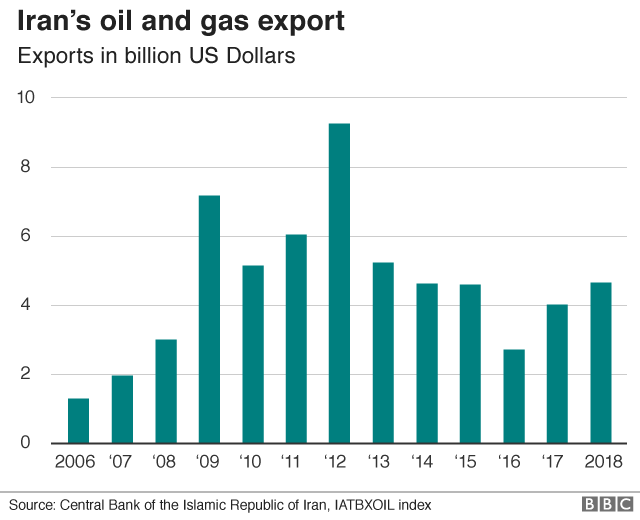
Iran is one of the largest oil producers in the world, and any disruptions in this country directly influence global oil prices. In recent years, we have witnessed how economic sanctions and military conflicts have affected fuel prices, resulting in increased transportation and shipping costs.
Impact & Consequences
This study underscores the importance of stable fuel prices for the aviation industry. Rising prices may lead to a reduction in the number of travelers, negatively impacting airline revenues. Furthermore, companies may need to reassess their operational strategies to address these challenges.
Moreover, the increase in travel costs could affect tourism, as tourists may be reluctant to travel to distant destinations due to high prices. This could lead to decreased revenues in tourism-related sectors, such as hotels and restaurants.
Regional Significance
The implications of rising fuel prices extend beyond the aviation sector, influencing broader economic conditions. Airlines may face a dual challenge of managing operational costs while striving to maintain competitive ticket prices.
In conclusion, the ongoing conflict in Iran and its impact on fuel prices highlight the interconnectedness of geopolitical events and economic stability, particularly in the aviation and tourism sectors.