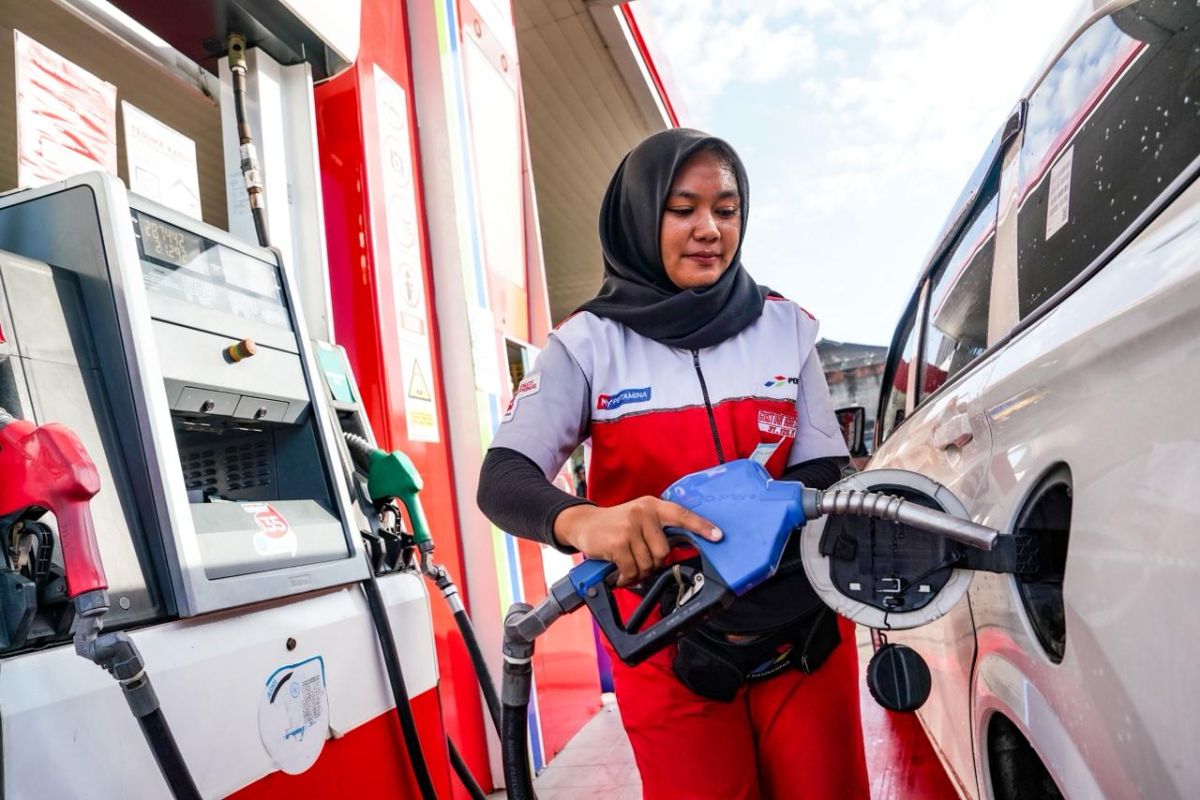
Fuel prices in Indonesia have seen a significant increase at the beginning of March, prompting drivers to take effective steps to reduce fuel consumption. This surge is influenced by conflicts in the Middle East affecting global oil prices, particularly the situation in the Strait of Hormuz, one of the most important oil trade routes, which impacts global markets.
Although fuel prices in Indonesia remain relatively stable, global dynamics raise concerns among drivers. Automotive experts have pointed out a range of simple steps that can help drivers save fuel without drastically changing their driving habits.
Details of the Event
Yanis Martinus Pasatribo, an automotive expert from the Bandung Institute of Technology, revealed that maintaining a steady speed and avoiding sudden acceleration and hard braking can significantly reduce fuel consumption. He explained that these bad driving habits can lead to a decrease in fuel efficiency by between 15% to 30% when driving on highways, and 10% to 40% in stop-and-go traffic conditions.
Yanis also emphasized the importance of turning off the engine during long stops, a procedure often overlooked, but it can greatly contribute to reducing fuel wastage, especially during traffic congestion.
Background & Context
Fuel prices are a sensitive issue in many countries, directly affecting the local economy and the daily lives of citizens. In Indonesia, fuel prices have risen significantly, with the price of the unsubsidized fuel type (Pertamax) increasing to 12,300 Indonesian Rupiah per liter, compared to 11,800 Rupiah previously. Prices for other fuel types such as Pertamax Green and Pertamax Turbo have also risen.
This price increase comes at a time when the world is experiencing fluctuations in oil prices due to political and economic conflicts in the Middle East, which is a key center for global oil production.
Impact & Consequences
The increase in fuel prices affects household and business budgets, prompting many to seek ways to reduce fuel consumption. Studies have shown that driving behaviors can significantly impact fuel efficiency, meaning that simple changes in driving style can lead to substantial cost savings.
Regular maintenance of the vehicle, such as oil changes and cleaning the injection system, can also contribute to improving fuel efficiency. According to Yanis, a poorly maintained vehicle can consume up to 30% more fuel.
Regional Significance
The Middle East is one of the regions most affected by fluctuations in oil prices, as many Arab countries rely on oil revenues as a primary source of income. Therefore, any changes in global oil prices directly impact the Arab economy.
With rising fuel prices, citizens in Arab countries may adopt similar strategies to reduce fuel consumption, which could affect driving patterns and economic behaviors in the region.
In conclusion, the current situation requires drivers in Indonesia and other countries to think about how to reduce fuel consumption amid rising prices. By following some simple tips, costs can be reduced while contributing to environmental preservation.