The United States has recently witnessed a significant rise in gasoline prices, exceeding $4 per gallon, which has greatly impacted consumer decisions in the automotive market. With escalating tensions in the Middle East, particularly with Iran, buyers are beginning to explore more fuel-efficient options.
Tom Mikola, founder of the car purchasing consultancy Delivrd, confirmed that there has been a noticeable shift towards hybrid vehicles in recent weeks. He stated, "We have seen a substantial increase in interest in hybrid cars, especially with rising fuel prices." This shift reflects a growing awareness of the importance of fuel economy, as buyers are discussing it more compared to when prices were lower.
Details of the Shift
In the context of this transition, Mikola noted that a deal was made for the purchase of a Hyundai Ioniq 9 Calligraphy, a fully electric vehicle, where he managed to reduce the price by $12,000 for a family from Michigan. This family was looking for a three-row SUV and decided to switch to an electric vehicle due to the rising fuel prices.
Data shows that the increase in gasoline prices could raise American fuel bills by $9.4 billion monthly, translating to an increase of $34 per adult. In California, drivers are facing prices as high as $5.84 per gallon, adding financial pressure on households.
Background & Context
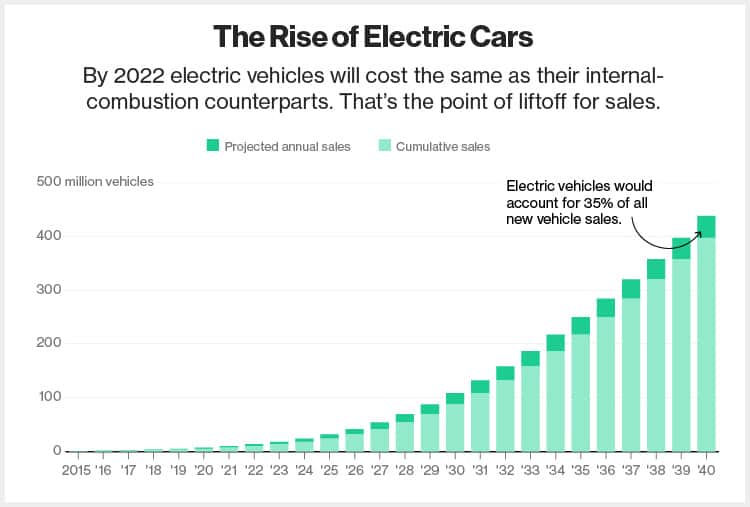
Historically, the United States has experienced periods of rising fuel prices, leading to changes in consumer behavior. However, this time, the shift towards electric and hybrid vehicles appears more pronounced, with the percentage of buyers considering an electric vehicle rising from 9.5% to 12% following the price hikes.
Major automotive companies such as Toyota, Ford, and General Motors find themselves in a precarious position, having abandoned many electric vehicle projects in the past, making them vulnerable to rapid market changes. Meanwhile, companies like Toyota continue to focus on producing hybrid vehicles, which may give them a competitive edge under current circumstances.
Impact & Consequences
The rise in fuel prices serves as a wake-up call for the automotive industry, as companies must adapt to the increasing demand for electric and hybrid vehicles. If this trend continues, we may witness a radical transformation in how cars are designed and manufactured in the future.
On the other hand, this shift could lead to increased investments in electric vehicle technology, contributing to the improvement of electric vehicle charging infrastructure in the United States, thereby enhancing the use of these vehicles.
Regional Significance
In the Arab region, where many countries rely on oil exports, the rise in fuel prices in the United States may impact global oil markets. If the demand for electric vehicles continues to rise, this could lead to fluctuations in oil prices, affecting the economies of oil-producing countries.
In conclusion, it seems that rising fuel prices may have far-reaching effects on the automotive market, as consumers gravitate towards more sustainable options. This shift could help shape the future of the automotive industry worldwide.