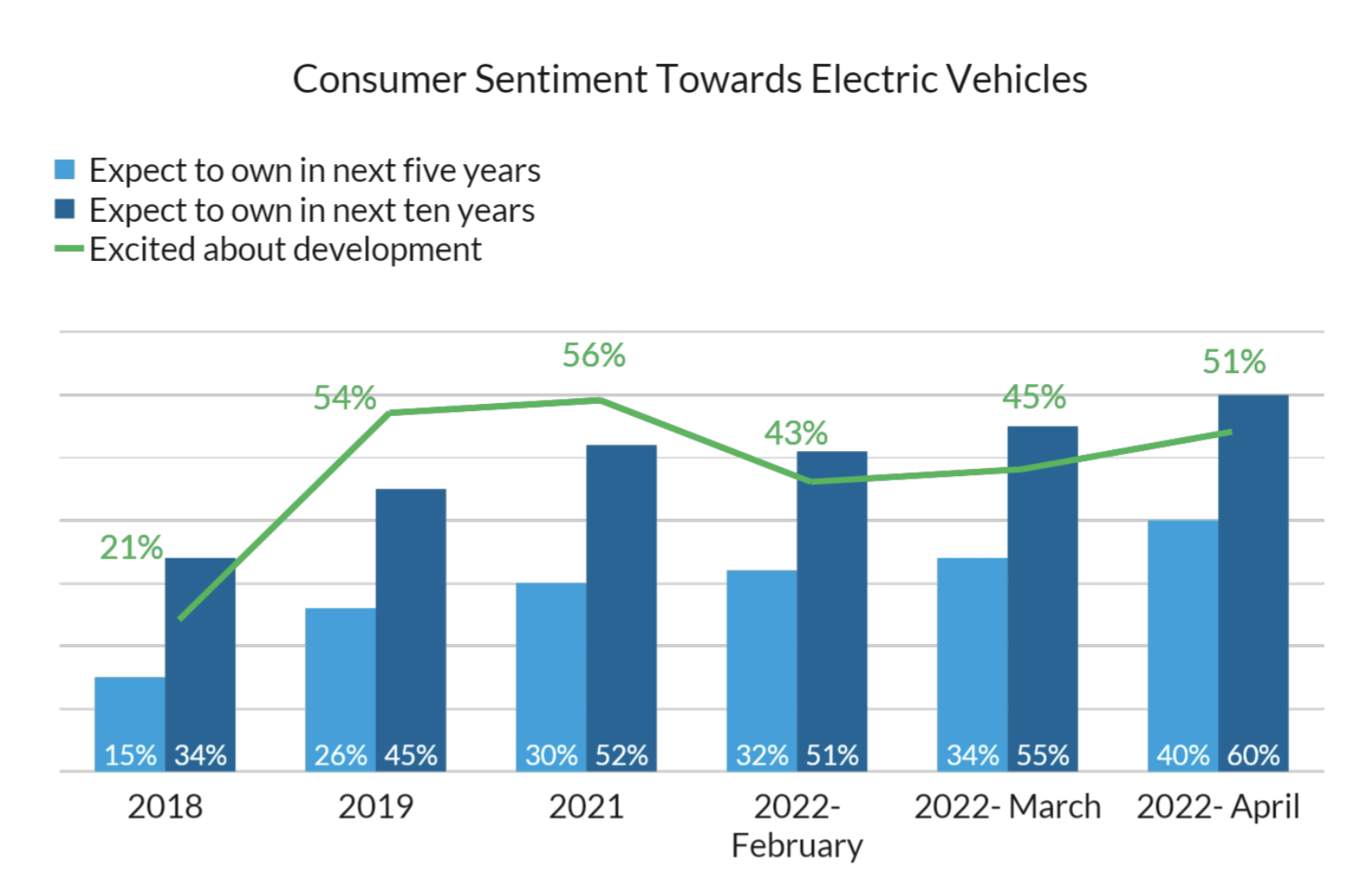
The significant rise in fuel prices since the outbreak of the conflict in the Middle East has sparked increased interest in electric vehicles, with car companies reporting a surge in test drives and ad views. This shift comes at a time when consumers are facing financial pressures due to rising fuel costs.
Reports indicate that many consumers have begun exploring alternative transportation options, reflecting their desire to reduce reliance on traditional fuel. Data has shown that demand for electric vehicles has risen in several markets, indicating a shift in consumer behavior towards more sustainable choices.
Details of the Event
As fuel prices have escalated, many consumers have started searching for alternatives, leading to an increase in the number of test drives for electric vehicles. According to market reports, views of advertisements related to electric vehicles have risen significantly, indicating growing consumer interest.
This increase in interest in electric vehicles is a direct result of the economic pressures faced by consumers, as they seek to reduce their monthly expenses. Studies have shown that electric vehicles offer significant savings in operating costs compared to traditional cars.
Background & Context
Historically, fuel prices have experienced significant fluctuations due to political crises and conflicts in the Middle East. These events often impact global oil prices, which in turn affects fuel costs in local markets. Since the onset of the recent conflict, fuel prices have risen sharply, prompting consumers to seek more sustainable options.
In recent years, the electric vehicle industry has seen remarkable growth, with these cars becoming increasingly popular in many countries. As environmental awareness has increased, consumers have begun to recognize the benefits of electric vehicles, not only in terms of costs but also in terms of environmental impact.
Impact & Consequences
The rise in fuel prices presents an opportunity for the electric vehicle industry to expand its customer base. With growing interest, this could lead to increased investments by companies in developing new technologies and improving charging infrastructure. This phenomenon could also stimulate innovation in the electric vehicle sector, contributing to enhanced performance and reduced costs.
Furthermore, these changes could encourage governments to provide more incentives for consumers to purchase electric vehicles, contributing to sustainability goals and reducing carbon emissions.
Regional Significance
In the Arab region, where many countries rely on oil exports, this shift could have significant implications. With the growing interest in electric vehicles, oil-producing countries may face new challenges in maintaining stability in their markets. This shift is likely to prompt a reevaluation of economic development strategies.
Additionally, increasing reliance on electric vehicles could help reduce pollution in major cities, improving the quality of life for residents. However, this transition requires substantial investments in renewable energy and charging infrastructure.
In conclusion, it appears that the rise in fuel prices due to the conflict in the Middle East may have far-reaching effects on the automotive industry, pushing more consumers towards sustainable transportation options. As this trend continues, we may witness a significant transformation in how individuals commute in the future.