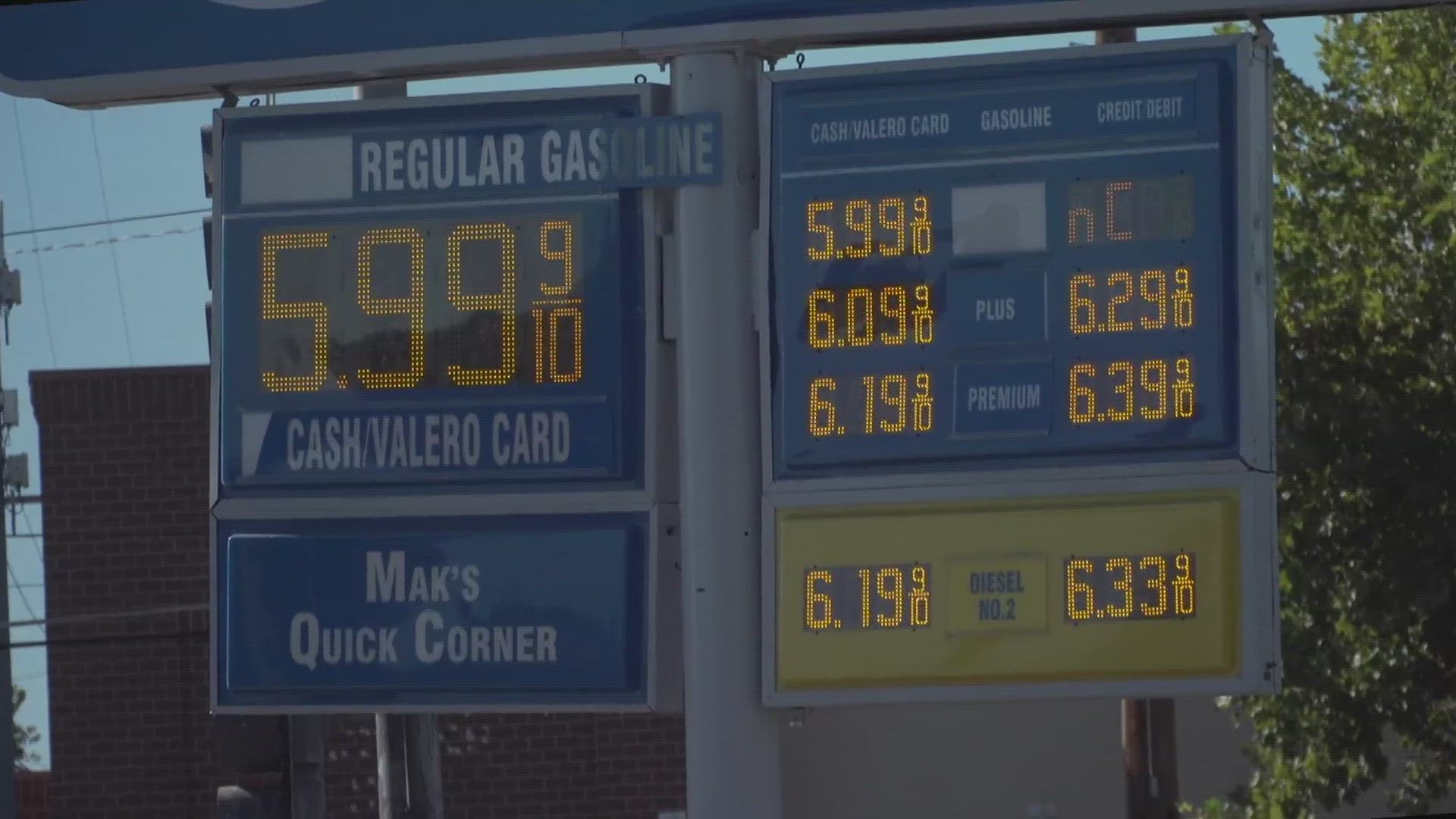
Significant increases in fuel prices resulting from the ongoing conflict in Iran are pushing oil traders to adopt unconventional shipping routes, as they strive to meet rising demand despite economic challenges. This phenomenon raises questions about how these changes will impact the global market.
Reports indicate that oil traders have begun sending shipments via routes that may seem uneconomical under normal circumstances, reflecting the pressures the market faces due to geopolitical crises. These moves come at a time when the world is experiencing sharp fluctuations in fuel prices, negatively impacting energy-dependent economies.
Details of the Event
Data shows that some shipments that were typically transported via shorter routes are now being sent over distances of up to 12,000 miles, increasing transportation costs and affecting end prices for consumers. This new strategy may be necessary for oil traders looking to maintain their market shares amid changing conditions.
These new routes involve transporting shipments from distant regions such as South America to European and Asian markets, adding logistical complexities. Although these steps may seem economically illogical, the pressures from rising prices are forcing traders to make unconventional decisions.
Background & Context
Historically, oil markets have experienced significant volatility due to political crises and armed conflicts. The current conflict in Iran is the latest episode in a series of events that have affected the stability of the global oil market. Since the onset of the conflict, oil prices have risen sharply, impacting all oil-importing countries.
Iran is considered one of the largest oil producers in the world, and any disruptions in its production directly affect global prices. In recent years, we have seen how economic sanctions and political unrest have led to sharp market fluctuations, prompting traders to adopt new strategies to cope with these challenges.
Impact & Consequences
Analyses suggest that these changes in the behavior of oil traders may lead to an increase in global fuel prices, affecting transportation costs and the prices of goods and services. Under these circumstances, weaker economies may be more severely impacted, increasing inflationary pressures.
Additionally, these moves may lead to changes in the strategies of oil-consuming countries, as some nations may seek to diversify their energy sources and reduce reliance on traditional oil. This shift could open the door for renewable energy sources, enhancing efforts to transition to more sustainable economies.
Regional Significance
Arab countries are among the largest oil producers in the world, and any changes in oil prices directly affect their economies. Amid current price increases, oil-importing nations may face new challenges in meeting their energy needs, potentially leading to increased pressures on government budgets.
Furthermore, Arab nations may seek to enhance cooperation among themselves to address these challenges by sharing expertise and resources. This cooperation could be key to strengthening economic stability in the region.
In conclusion, the current situation in the oil market reflects significant challenges faced by both producing and consuming countries. As the conflict in Iran continues, the future remains uncertain, requiring all parties to take proactive steps to ensure market stability.