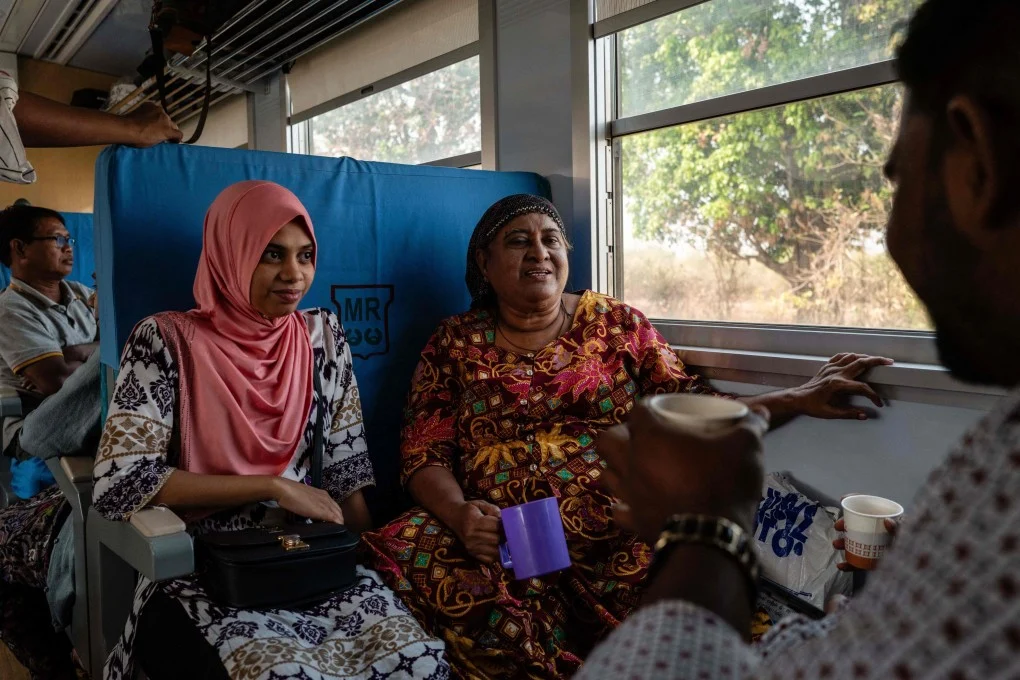
Old railway stations in Myanmar are experiencing significant crowds as travelers prefer trains as an economical alternative to planes and cars due to rising fuel prices caused by conflicts in the Middle East. The journey from Yangon, the largest city in the country, to the capital Naypyidaw has become increasingly popular under these circumstances, with passengers sitting in air-conditioned carriages exchanging conversations and enjoying tea and fried rice.
Train ticket prices range from 19,000 kyats (approximately $9), making them an attractive option compared to other travel costs. As fuel prices rise, the number of travelers opting for trains is increasing, reflecting a shift in transportation patterns in the country.
Event Details
With the surge in fuel prices, railways in Myanmar have become a refuge for many travelers seeking to reduce their expenses. Trips between major cities, such as Yangon and Naypyidaw, have become busier, as many choose trains as a comfortable and safe means of transportation. While the economy is under pressure, the railways contribute to alleviating the financial burdens on citizens.
The railways in Myanmar are among the oldest networks in the region; however, they still play a vital role in connecting cities and remote areas. Long journeys provide passengers with the opportunity to enjoy stunning landscapes, making it a unique experience.
Background & Context
The history of railways in Myanmar dates back to the colonial era, when many lines were established to facilitate the movement of goods and passengers. Over the years, this network has undergone numerous updates, yet it still suffers from a lack of investment and maintenance. With increasing economic challenges, it has become essential to reconsider transportation strategies in the country.
Current events in the Middle East, including conflicts and wars, directly affect fuel prices worldwide. This situation reflects on the lives of citizens in Myanmar, where many face difficulties in affording travel costs.
Impact & Consequences
Rising fuel prices may lead to permanent changes in travel patterns in Myanmar. With an increasing reliance on trains, the railways may witness a revival in usage, which could encourage the government to invest in improving infrastructure and updating services. This shift could contribute to boosting the local economy by increasing commercial and tourist traffic.
Moreover, increased train usage could help reduce traffic congestion and pollution in major cities, benefiting the environment and the health of citizens. Improving railway services could have a positive impact on the quality of life in the country.
Regional Significance
Arab countries are also affected by rising fuel prices due to conflicts in the Middle East. This situation may drive many Arab citizens to seek economical transportation alternatives, such as trains or public transport. Amid increasing economic crises, it may become necessary for Arab countries to enhance their investments in transportation infrastructure.
Ultimately, the current situation in Myanmar reflects the challenges faced by many countries worldwide amid economic crises. Seeking innovative and effective transportation solutions could be key to improving citizens' lives and fostering economic growth.