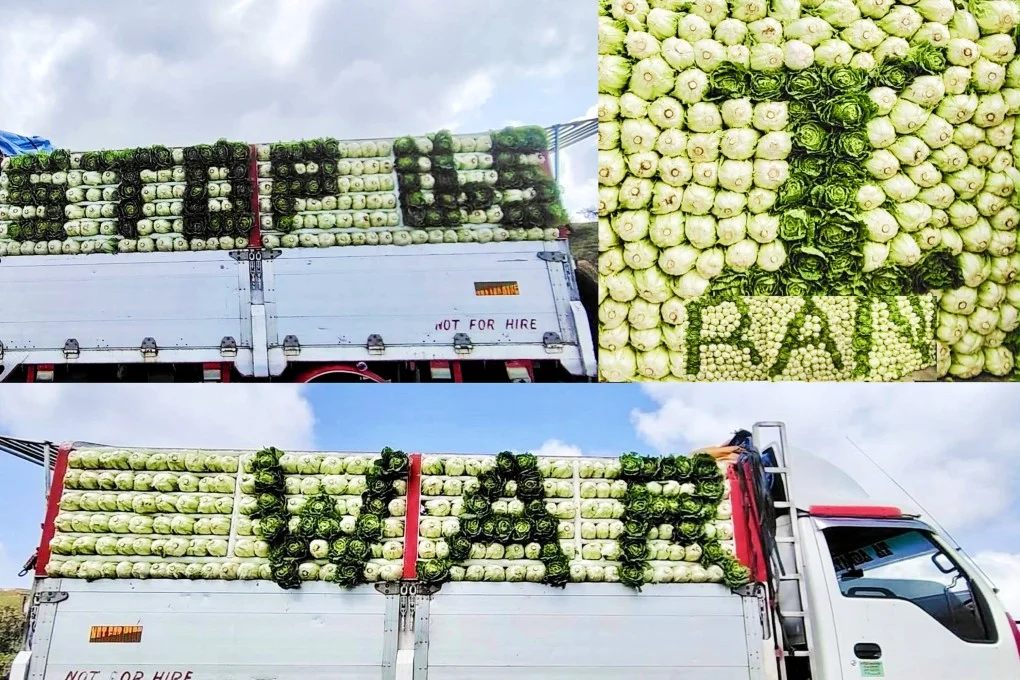
In the midst of the challenging economic conditions faced by many countries, the voice of Filipino farmer Elmer Olani emerges as he calls for an end to the US-Iran war after high fuel prices have devastated his earnings. After a seven-hour journey to a market in northern the Philippines, Olani returned home with an empty fuel tank, despite managing to sell 10 tons of cabbage.
Olani, who is 35 years old and hails from the town of Tinok in Isabela province, confirmed that he received little return from his agricultural efforts. He sold his crop at a low price ranging from 8 to 9 pesos (about 15 cents in US currency) per kilogram, ultimately gathering around 90,000 pesos (approximately $1,482). However, all these profits went to cover the significantly increased fuel costs.
Details of the Situation
Elmer Olani's case illustrates how rising fuel prices directly impact the lives of farmers in the Philippines. The country has witnessed a notable increase in fuel prices, making it difficult for farmers to cover transportation and production costs. With escalating geopolitical tensions, particularly between the United States and Iran, many farmers feel they are victims of these policies.
Olani is not alone in his suffering, as many farmers in the Philippines face the same issue. With rising production and transportation costs, farmers struggle to achieve sufficient profits to cover their daily expenses. These conditions make it challenging for them to continue cultivating crops, threatening the country's food security.
Background & Context
Historically, the Philippines has experienced economic fluctuations due to changes in global fuel prices. The country heavily relies on oil imports, making it vulnerable to price volatility. In recent years, geopolitical conflicts, such as the US-Iran conflict, have led to increased instability in oil markets, directly affecting fuel prices in the Philippines.
The Philippines is also one of the countries suffering from the effects of climate change, complicating the situation further. With the increase in natural disasters, farmers need greater support from the government to help them face these challenges. However, current policies do not provide adequate support, exacerbating the farmers' suffering.
Impact & Consequences
The repercussions of rising fuel prices extend beyond just farmers; they encompass the entire Philippine economy. As production costs rise, this could lead to increased food prices, affecting citizens' purchasing power. In the current economic climate, many Filipinos may struggle to secure their basic needs.
Moreover, the continuation of these conditions could lead to increased migration from rural areas to cities, as people seek better job opportunities. This shift could exacerbate the social and economic problems in the country.
Regional Significance
The Arab region is also affected by fluctuations in oil prices, as Arab countries are among the largest oil producers in the world. Any increase in oil prices impacts the global economy, directly affecting Arab nations. Amid geopolitical tensions, Arab countries may face greater economic pressures, increasing the challenges they encounter.
Thus, Elmer Olani's situation is not just an individual story; it reflects the struggles of many farmers around the world, including in Arab countries. Governments must take urgent steps to support farmers and provide them with a stable environment to ensure food and economic security.