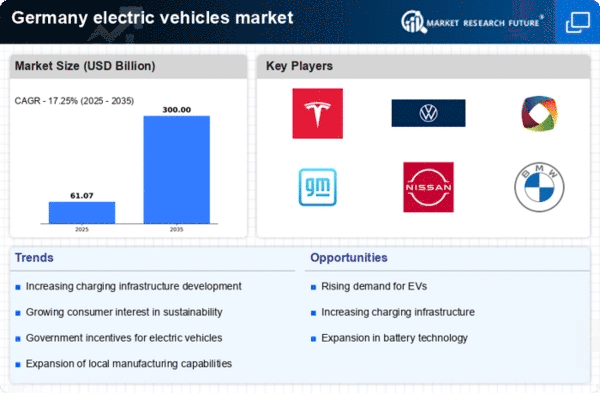
The significant increase in fuel prices in Germany has led consumers to turn towards electric vehicles, with interest in used cars rising by 66%. This shift reflects fundamental changes in consumer behavior.
As fuel prices continue to rise, it has become clear that Germans are seeking more cost-effective alternatives. Studies have shown that many households have begun to reassess their transportation options, resulting in a noticeable increase in demand for electric and used cars.
Details of the Event
According to reports, Germany has witnessed a rise in fuel prices of up to 20% over the past few months, prompting consumers to seek more sustainable solutions. Figures indicate that sales of electric vehicles have significantly increased, as they have become an attractive option for consumers looking to reduce fuel costs.
Additionally, interest in used vehicles has surged, with data showing that the search for these vehicles has increased by 66% compared to last year. This trend reflects consumers' desire to obtain cars at affordable prices without sacrificing quality.
Background & Context
These changes come in a global context marked by rising energy prices, driven by various factors including geopolitical conflicts and climate change. Germany, as a leader in renewable energy, is striving to reduce its dependence on fossil fuels, making the shift towards electric vehicles part of its national strategy.
The German government has also launched several initiatives to support the use of electric vehicles, including financial incentives for consumers and the expansion of charging networks. These policies aim to promote the use of clean vehicles and reduce carbon emissions.
Impact & Consequences
The effects of rising fuel prices extend beyond Germany, as this trend could influence car markets in Europe and worldwide. With increasing demand for electric vehicles, manufacturers are expected to invest in developing new technologies and improving charging infrastructure.
This shift may also lead to changes in supply chains, as companies will need to adapt to the growing demand for electric components. We may also witness an increase in innovations in battery technology and sustainable practices.
Regional Significance
Looking at the Arab region, these developments could serve as a lesson for countries that heavily rely on fossil fuels. With rising oil prices, consumers in Arab countries may also turn towards more sustainable options, highlighting the importance of investing in renewable energy.
The shift towards electric vehicles could also open new avenues for cooperation between Arab countries and Germany in the field of sustainable technology, contributing to the achievement of sustainable development goals.
In conclusion, the rise in fuel prices in Germany appears to be not just a temporary crisis, but the beginning of a radical shift in consumer behavior towards more sustainable options. This trend could have wide-ranging effects on global markets, prompting other countries to consider similar strategies.