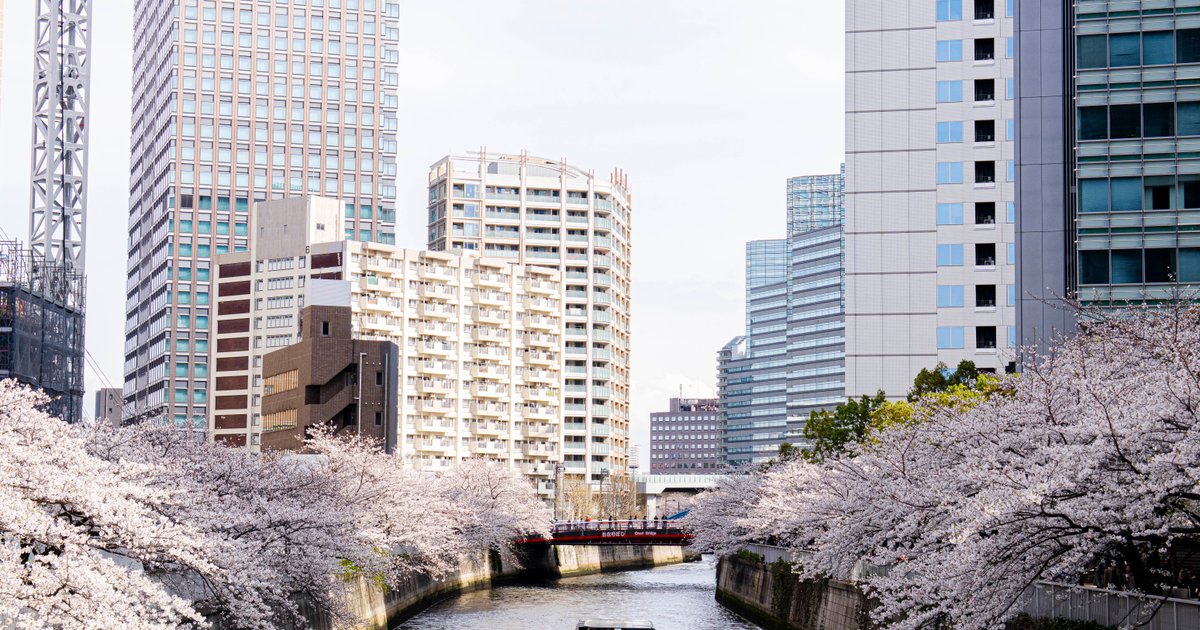
Cherry blossom river cruises on the Maguro River in Tokyo, one of Japan's premier tourist attractions, are facing new challenges due to rising fuel prices. Kazuyoshi Harada, CEO of Tokyo Waterways, confirmed that the conflict in the Middle East has led to a significant increase in fuel prices, threatening to raise costs for both companies and tourists alike.
Cherry blossoms symbolize spring in Japan and attract tourists from around the world. As the hanami season, which sees a large influx of visitors, begins, expectations were set for a prosperous season. However, with rising fuel prices, the situation has become more complicated.
Event Details
In his remarks, Harada noted that gasoline prices have risen by an average of 20 yen per liter, equivalent to 9%, since the American-Israeli attacks on Iran. This increase could raise operating costs by more than 100,000 yen during the cherry blossom season. Although most customers booked their trips before the crisis, the company has been unable to raise ticket prices, which start at 5,000 yen (approximately $31).
Harada also added that other costs, such as labor expenses, were rising even before the conflict began on February 28. The company raised the prices of private tours by 10% in January, but it appears that further increases may be necessary if the conflict continues.
Background & Context
Historically, cherry blossoms have attracted tourists in Japan for centuries, with hanami being a deeply rooted cultural tradition. However, global events such as political and economic conflicts directly impact tourism, which is considered one of Japan's main sources of revenue. The country has experienced fluctuations in fuel prices in recent years due to regional crises, affecting various economic sectors.
Tourism companies in Japan are under increasing pressure due to rising operating costs. With the Japanese yen weakening, costs are rising for foreign tourists, which may affect visitor numbers in the future.
Impact & Consequences
The increase in fuel costs is expected to have negative effects on tourism in Japan, as some tourists may choose to reduce their spending or even cancel their travel plans. Additionally, tourism companies may need to reassess their marketing strategies and pricing to cope with these challenges.
If the conflict in the Middle East continues, we may see further increases in fuel prices, impacting all aspects of economic life in Japan. This reflects how global events can affect the local economy, especially in sensitive sectors such as tourism.
Regional Significance
The Arab region is part of the broader context affecting global fuel prices. Conflicts in the Middle East, such as those involving Iran, directly impact oil prices, which in turn reflect on fuel costs worldwide. This is a concern for Arab countries that rely on oil exports, as these changes can affect local economies.
In conclusion, the current situation highlights the need for international cooperation to achieve stability in fuel prices, which in turn affects the global economy as a whole. Understanding these dynamics can help Arab countries plan for a more stable future.