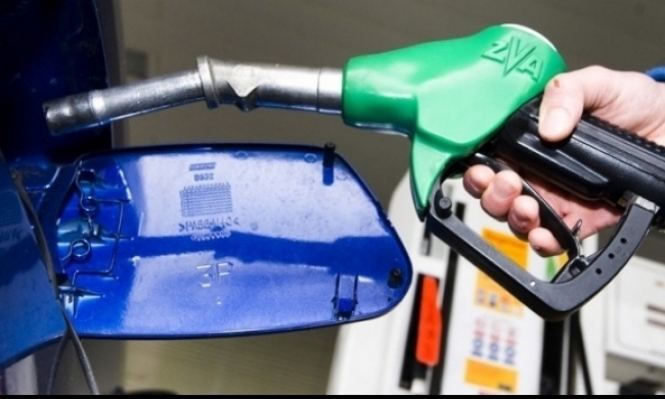
A new study has reported that a $1 rise in fuel prices can result in a decrease of up to six customers daily in fast-food restaurants. This finding reflects the impact of prices on consumer behavior, as their spending is directly affected by increased transportation costs.
These results come at a time when the world is witnessing a significant rise in fuel prices, raising concerns among business owners in the restaurant and retail sectors. Many customers rely on cars to reach these establishments, and thus any increase in fuel costs may influence their decision to dine out or shop.
Details of the Event
Economic pressures on households are increasing amid rising living costs, prompting many to reassess their spending. Data has shown that higher fuel prices lead to a reduction in visits to restaurants, which negatively affects the revenues of these establishments. In this context, experts have noted that restaurants relying on drive-thru services may be the most affected, as customers tend to reduce their visits when transportation costs rise.
Moreover, this decline in customer numbers is not limited to restaurants; it also extends to stores and retail shops. Consumers are inclined to cut back on their shopping trips, impacting sales activity in the markets.
Background & Context
Historically, fuel prices have experienced significant fluctuations due to various factors, including political and economic crises, as well as changes in global supply and demand. In recent years, geopolitical crises, such as conflicts in the Middle East, have led to rising oil prices, which in turn have affected fuel prices in local markets.
In many countries, fuel prices are one of the main factors influencing the macroeconomy. Rising prices not only affect transportation costs but also extend to the costs of other goods and services, leading to inflation and impacting consumers' purchasing power.
Impact & Consequences
Analyses indicate that continued increases in fuel prices may lead to a further decline in household spending, negatively impacting economic growth. A decrease in consumer spending is one of the main drivers of economic growth, and any downturn in this area could result in a slowdown in overall economic activity.
This situation may also place additional pressures on business owners in the restaurant and retail sectors, potentially prompting them to adopt austerity measures such as reducing staff numbers or cutting back on working hours, which could exacerbate unemployment crises in some areas.
Regional Significance
In the Arab region, where many countries rely on oil revenues, rising fuel prices can have dual effects. On one hand, some oil-producing countries may benefit from higher prices, while importing countries face increasing economic pressures.
Additionally, rising fuel prices may lead to a decline in tourism in some Arab countries, as tourists tend to reduce their travel plans when travel costs increase. Consequently, this situation necessitates that governments take measures to support affected sectors and promote economic growth.
In conclusion, it is evident that rising fuel prices have far-reaching effects on the economy and society. It is crucial for governments to adopt effective strategies to address these challenges, ensuring economic stability and protecting citizens' interests.