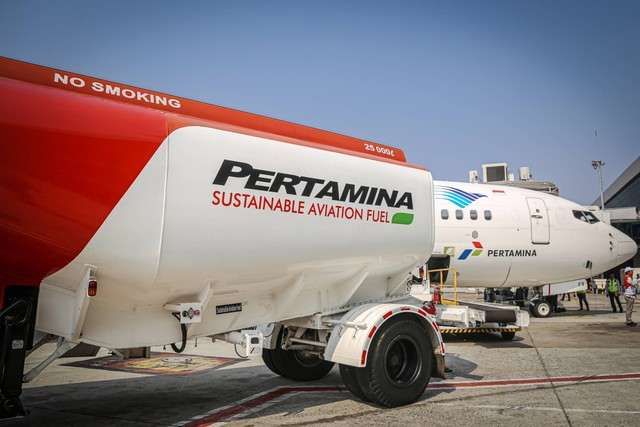
The Indonesian National Air Carriers Association (INACA) has emphasized the need to adjust fuel fees and set local flight prices amidst a substantial rise in fuel costs. This call comes after the announcement by Pertamina, the main fuel supplier in Indonesia, regarding a fuel price increase starting from April 1, 2026.
In statements made by INACA President Denon Prawiratmadja in Jakarta, it was confirmed that fuel prices have seen a notable increase, with aviation fuel (kerosene) rising by as much as 72.45% at Soekarno-Hatta Airport, where the price per liter reached 23,551.08 Indonesian Rupiah in April 2026, compared to 13,656.51 Indonesian Rupiah in March of the same year.
Details of the Event
INACA clarified that aviation fuel prices have been adjusted to align with global prices, where international fuel costs surged from $0.742 to $1.338 per liter, representing an increase of 80.32%. When compared to prices in 2019, the increase amounts to 223%, placing significant pressure on local airlines.
Prawiratmadja pointed out that this price hike occurs amidst tense geopolitical conditions in the Middle East, which have directly impacted global fuel prices, leading to expectations of further fuel price increases in Indonesia.
Background & Context
Historically, Indonesia has experienced numerous fluctuations in fuel prices, heavily influenced by global markets. In 2019, fuel prices were set according to government directives, resulting in relative price stability. However, global crises, such as the COVID-19 pandemic and geopolitical tensions, have led to significant price volatility.
The aviation industry in Indonesia is a vital sector contributing to the national economy, providing numerous job opportunities and enhancing tourism. However, rising operational costs due to increased fuel prices may threaten the sustainability of this industry.
Impact & Consequences
This increase in fuel prices is expected to raise operational costs for airlines, which may be reflected in ticket prices. INACA has called for a 15% increase in fuel fees, but with the current hike, companies may need to reassess this percentage to align with the new prices.
This step is essential to maintain the continuity of airline operations and ensure flight safety, as fuel costs represent approximately 40% of total operating expenses. Without price adjustments, companies may face difficulties in continuing to provide their services.
Regional Significance
Indonesia is one of the largest aviation markets in Asia, and any changes in fuel prices could impact travel costs in the region. Additionally, rising fuel prices may lead to increased ticket prices in neighboring countries, potentially affecting tourism and travel flows in the area.
Under these circumstances, Arab countries must monitor global fuel price developments and their impact on the aviation industry, as any increase in costs could lead to reduced travel activity and a decline in tourism.