Kosovo, considered one of the poorest countries in Europe, is experiencing a growing economic crisis due to rising fuel prices stemming from the Iranian war. This price increase comes at a time when citizens are already facing mounting economic pressures, threatening the stability of their daily lives.
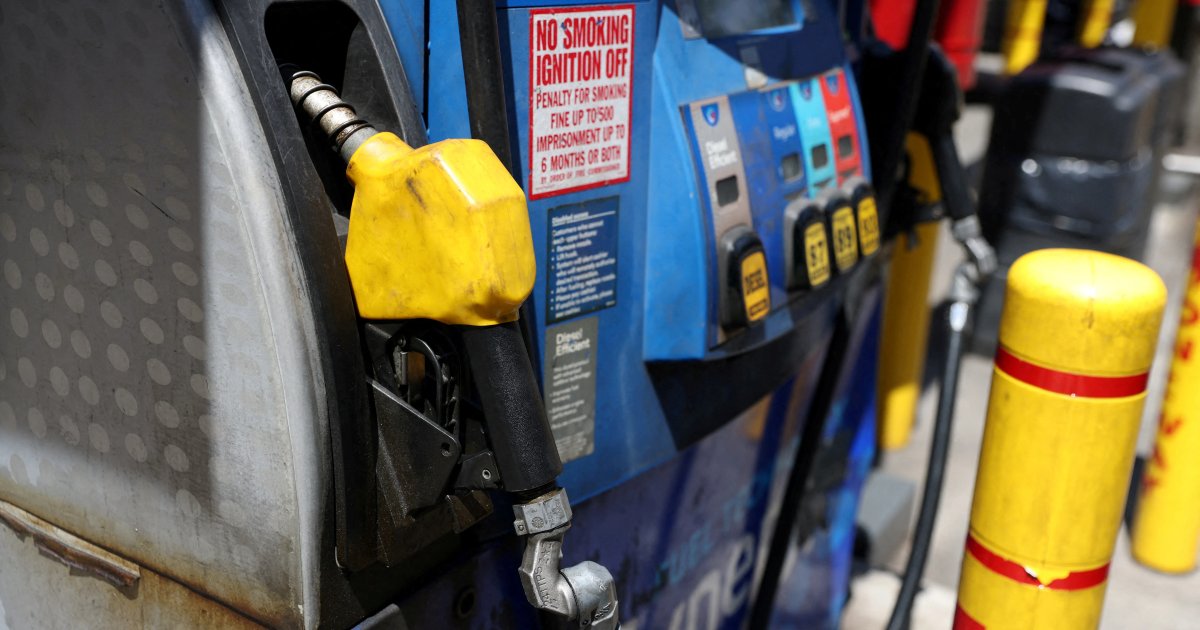
Reports indicate that fuel prices in Kosovo have risen significantly, leading to increased financial burdens on families. This rise is attributed to geopolitical upheavals in the Middle East, where the Iranian war is impacting global energy markets, negatively affecting countries that rely on imports.
Details of the Situation
In recent weeks, Kosovo has witnessed a notable increase in fuel prices, surpassing 1.5 euros per liter, which is a heavy burden for citizens with low incomes. This price hike is a direct result of the Iranian war, which has caused significant fluctuations in global oil markets.
Data shows that Kosovo imports most of its fuel needs, making it vulnerable to global price fluctuations. Many experts have pointed out that this increase could lead to higher transportation and goods costs, further increasing inflationary pressures in the country.
Background & Context
Historically, Kosovo has suffered from political and economic conflicts since gaining independence from Serbia in 2008. Despite efforts to stabilize, the country still faces significant challenges in the areas of economy and development. The rise in fuel prices is part of a series of crises hitting the country, including high unemployment and poverty.
Statistics indicate that approximately 30% of Kosovo's population lives below the poverty line, making them more susceptible to the impacts of rising prices. Additionally, the heavy reliance on imports renders the Kosovar economy fragile against global changes.
Impact & Consequences
Forecasts suggest that continued rising fuel prices may exacerbate the economic and social conditions in Kosovo. There are fears that this could lead to increased public protests and demands for improved living conditions. The government may find itself under increasing pressure to provide support to affected citizens.
Moreover, this crisis could affect foreign investments in Kosovo, as economic stability is one of the main factors attracting investors. If conditions continue as they are, economic growth in the country could be significantly impacted.
Regional Significance
The Iranian war and its effects on fuel prices are issues of concern for many Arab countries, especially those that rely on oil as a primary source of revenue. Disruptions in energy markets may also lead to price increases in Arab nations, affecting local economies.
Furthermore, the situation in Kosovo illustrates how geopolitical crises can impact countries far from the center of conflict, calling for greater attention from Arab nations to monitor developments in global markets.