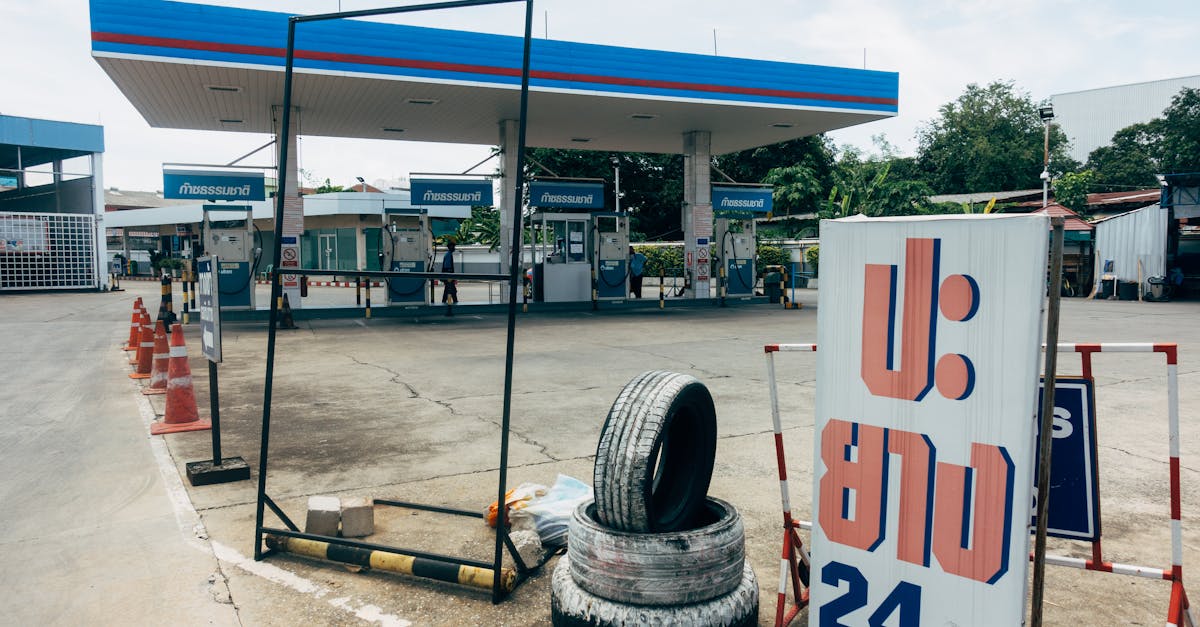
The United States is currently facing increasing negative effects due to rising fuel prices, as the conflict with Iran begins to impact the American economy significantly. Prices for diesel and jet fuel have risen, increasing pressure on both companies and consumers.
Nick Friedman, founder of College Hunks Hauling Junk, reported that his business is facing multiple challenges, including rising mortgage rates and increased insurance premiums. As fuel prices escalate, Friedman finds himself in a difficult position, unable to raise prices without affecting his customers.
Details of the Situation
American companies are under increasing pressure due to rising fuel costs, with major airlines such as United Airlines and JetBlue raising baggage fees. Additionally, Amazon announced a 3.5% additional fee on sellers, noting that this fee is much lower than those imposed by other major shipping companies.
Friedman states that fuel costs used to account for 3 to 5% of his business's revenue, but they have now doubled to 6 to 10% since the onset of the conflict. This situation places many franchise owners in critical positions, as they rely heavily on a business model centered around transportation.
Background & Context
Historically, fuel prices have been significantly affected by geopolitical crises, with the conflict with Iran being one of the largest influencing factors in the global market. The United States, which is less dependent on imported oil compared to the 1970s, now faces new challenges related to energy costs.
Economic reports predict that rising energy prices will lead to a reduction in consumer spending, as consumers tend to cut back on non-essential goods first. This could result in a slowdown in economic growth in the country.
Impact & Consequences
Some analyses predict that rising energy prices will have negative effects across all economic sectors. Daken Vanderburg, Chief Investment Officer at MassMutual Wealth, states that rising energy prices act as a tax on consumers, affecting the prices of goods and services overall.
If the conflict continues for an extended period, consumers may have to reduce their spending, leading to a slowdown in economic growth. At the same time, small businesses are struggling to adapt to these conditions, as they cannot raise prices without losing customers.
Regional Significance
The Arab region is directly affected by the U.S.-Iran conflict, as oil prices are a critical factor in the economies of many Arab nations. Rising fuel prices may impact the cost of living in Arab countries, increasing pressure on households.
Additionally, geopolitical conflicts in the region affect market stability, potentially leading to fluctuations in oil prices and increasing economic uncertainty.
In light of these circumstances, the question remains about how companies and consumers will cope with these challenges. The ability to adapt to changing conditions will be crucial in determining the future of the American economy.