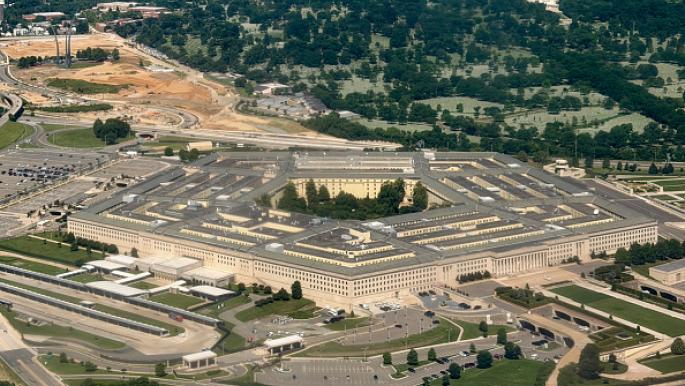
The Pentagon is grappling with mounting financial pressures that have burdened its budget, primarily due to rising fuel costs. In the current economic climate, it is evident that this increase in expenses may affect the U.S. Department of Defense's ability to execute its military plans efficiently.
Reports indicate that fuel prices have seen a significant rise in recent months, leading to increased operational expenses. This surge is not merely a financial issue; it represents a strategic challenge for the Pentagon, which heavily relies on fuel for all its military operations.
Details of the Situation
According to internal reports, fuel costs have risen by as much as 30% compared to last year. This sudden spike is attributed to several factors, including disruptions in global markets, increased energy demand, and geopolitical tensions affecting oil supplies.
The Pentagon is one of the largest fuel consumers in the world, requiring massive quantities to operate its aircraft and naval vessels. With rising prices, the Pentagon faces a difficult choice between cutting budgets allocated for certain defense programs or seeking additional funding sources.
Background & Context
Historically, the U.S. Department of Defense has faced similar financial challenges, especially during economic crises. However, the current situation differs in its complexities, as the rise in fuel prices coincides with increases in other costs such as salaries and modern military technology.
The Department of Defense is striving to balance its operational needs with increasing financial pressures. In recent years, there has been a focus on developing new technologies to reduce reliance on traditional fuel, such as the use of electric or hybrid aircraft, but these solutions are still in their early stages.
Impact & Consequences
The repercussions of rising fuel prices extend beyond the Pentagon, potentially affecting the U.S. economy as a whole. Increased military spending may lead to cuts in investments in other areas such as education and health, raising concerns among citizens.
Moreover, these financial pressures could impact the United States' ability to respond to global crises, whether military or humanitarian. If these trends continue, the U.S. may find itself forced to scale back its military presence in certain strategic regions.
Regional Significance
The Arab region is among the most affected by fluctuations in fuel prices, as many countries rely on oil exports as a primary source of revenue. Rising fuel prices could increase economic pressures on oil-importing countries, potentially causing social and political tensions.
Additionally, any reduction in the U.S. military budget could impact security balances in the region, as many Arab nations depend on American military support to face regional challenges.
In conclusion, the rise in fuel prices poses a significant challenge for the Pentagon and the U.S. economy as a whole. It necessitates new strategies to address these financial pressures while considering the potential impacts on regional and international security.