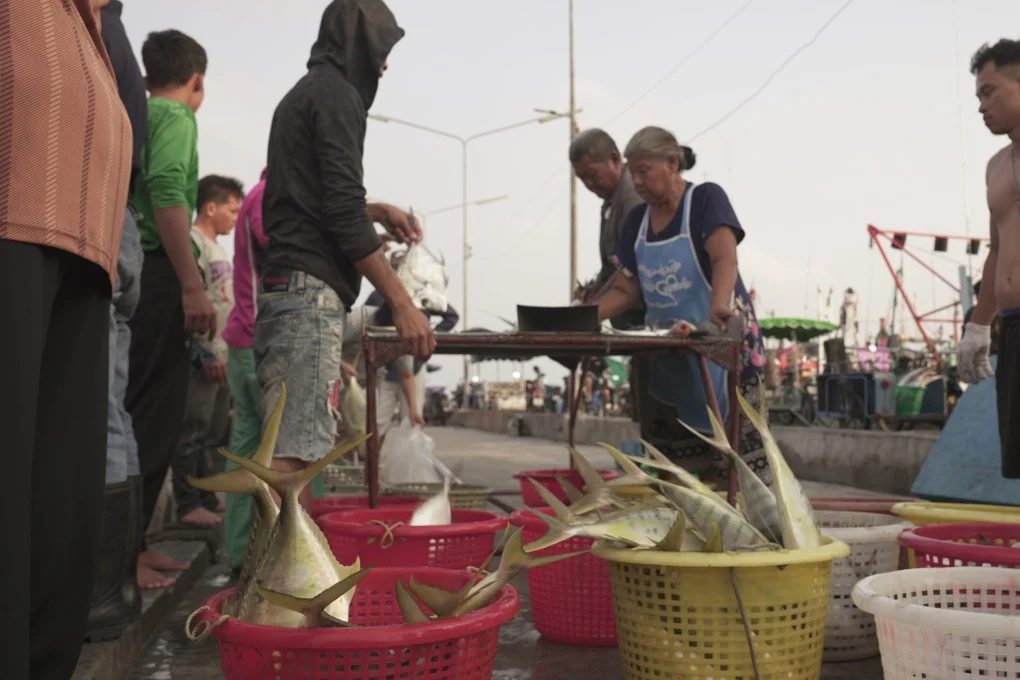
Worrying times prevail at the port of Bangsaray in eastern Thailand, where buyers await the return of the first fishing boats. However, they are aware that conflicts elsewhere have negatively impacted their livelihoods, as they have already lost part of their income due to rising fuel prices.
The significant increase in diesel prices, driven by escalating tensions in the Strait of Hormuz by Iran, has led to a downturn in Thailand's fishing industry, which is considered one of the largest in the country. Approximately half of the fishing fleet has been forced to cease operations, threatening the livelihoods of many fishermen and workers in this sector.
Details of the Crisis
Reports indicate that the rise in fuel prices has caused severe losses for fishermen, who are struggling to cover operational costs. Many fishermen have reported that they can no longer afford fuel, forcing them to reduce their activities or even halt them entirely.
Thailand is one of the world's largest fish exporters, with the fishing industry significantly contributing to the national economy. However, the current conditions threaten the sustainability of this industry, necessitating urgent action from the government to protect fishermen and secure their livelihoods.
Background & Context
Historically, Thailand's fishing industry has heavily relied on stable fuel prices, as operational costs are a key factor affecting fishermen's profitability. With the escalation of geopolitical tensions in the region, it has become clear that this industry is not immune to external influences.
The Strait of Hormuz is a vital point in global trade, through which about 20% of the world's oil passes. Any escalation of tensions in this region can lead to a significant increase in fuel prices, affecting many industries, including fishing.
Impact & Consequences
The repercussions of rising fuel prices extend beyond Thailand, potentially impacting global fish markets. If this crisis continues, we may witness an increase in fish prices in international markets, affecting consumers worldwide.
This crisis could also lead to job losses in the fishing sector, increasing economic pressures on local communities that depend on this industry. It is crucial for the Thai government to take swift action to support fishermen and alleviate their financial burdens.
Regional Significance
Arab countries are also affected by fluctuations in fuel prices, as many of their economies rely on oil and gas imports. Any rise in fuel prices can lead to increased living costs, impacting economic and social stability in the region.
Moreover, tensions in the Strait of Hormuz could exacerbate political and economic crises in Gulf countries, necessitating greater coordination among Arab nations to address these challenges.
The current crisis facing Thailand's fishing industry illustrates how geopolitical events can impact the global economy. It is essential for governments to take effective steps to protect vital sectors and ensure their sustainability in the face of future challenges.