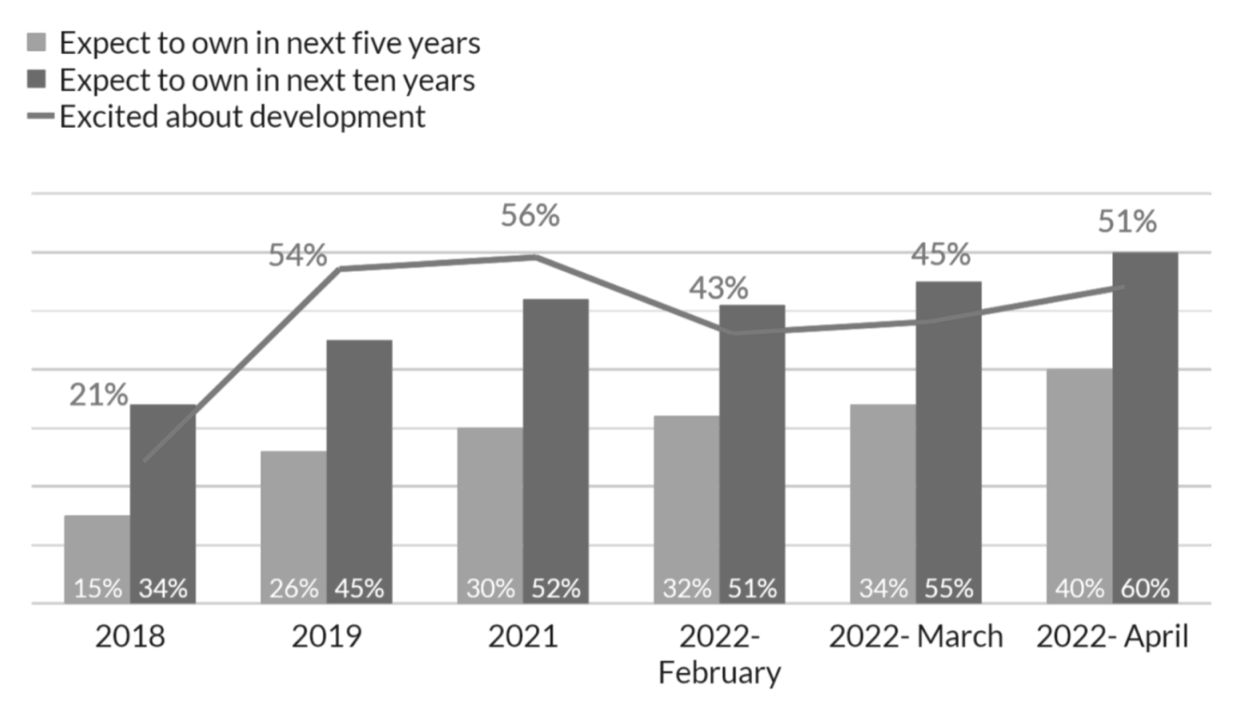
The escalation of gasoline prices due to the war waged by the United States and Israel on Iran has created a state of anxiety and uncertainty in global automotive markets. Historical experiences have shown that oil price shocks can lead to structural changes in consumer behavior, as past crises have prompted a shift in car choices towards more efficient models.
In the 1970s, the energy crisis in the United States led to a preference for smaller cars, helping Japanese companies boost their market share. Today, the question arises: Will the American-Israeli war on Iran and rising fuel prices increase global electric vehicle sales?
Details of the Event
According to the fuel price website (AAA), the average price of regular gasoline in the United States has risen by **$1** since the beginning of the war, reaching **$3.98** per gallon on **March 26, 2026**, compared to **$2.98** on **February 26**. It is expected that the average price will exceed **$4** per gallon in the coming days, a level not seen since **August 2022**.
In Europe, EU countries have witnessed a **12%** increase in the average cost of gasoline, reaching **€1.84** (**$2.12**) per liter between **February 23** and **March 16**, according to Reuters. These price increases have led to a surge in interest in purchasing electric vehicles, with online car sales platforms indicating that demand for electric cars, especially used ones, has risen significantly.
Context and Background
Historically, oil crises have spurred a shift towards more sustainable options. Currently, analysts indicate that rising gasoline prices may boost electric vehicle sales, although the full transition remains constrained by barriers such as high costs and inadequate infrastructure.
It is noteworthy that car manufacturers have not yet announced their sales results for March, but preliminary indicators suggest that Asian companies like **BYD** and **VinFast** are benefiting from the increased demand. Albert Park, Chief Economist at the Asian Development Bank, noted that rising oil prices serve as an economic incentive to accelerate the shift towards electric vehicles.
Consequences and Impact
Although rising fuel prices may not immediately change new car purchasing patterns, observers believe it will take a prolonged period of increases or surpassing a certain psychological threshold before consumers alter their choices. Kevin Roberts, Director of Economic Information at the **CarGurus** platform, indicated that a price of **$4** per gallon could be a turning point in consumer interest in electric vehicles.
However, obstacles still hinder the transition to electric vehicles, including high conversion costs and declining government incentives, particularly in the United States and Europe. The reduction of incentives has led to estimated losses of about **$75 billion** in public sector investments last year.
Impact on the Arab Region
In Jordan, for example, engineer **Omar Tashtoush** points out that rising fuel prices have contributed to enhancing consumer interest in electric vehicles, given the significant reduction in operating costs they offer. However, citizens still view traditional cars as necessary at present due to the charging challenges associated with electric vehicles.
In conclusion, recent developments reveal that the war and rising fuel prices are no longer just temporary pressure factors but have transformed into a real catalyst for reshaping the global automotive market. Despite the challenges, ongoing fluctuations in energy markets may drive consumers and companies to accelerate the transition towards more sustainable alternatives.